 English
 العربية
 Français
 Deutsch
 Italiano
 Polski
 Português
 Русский
 Español
 Українська


Вредны ли внутренние светодиодные фонари для ваших глаз?
Введение
Светодиодное освещение стало стандартным выбором для современных домов., офисы, отели, и коммерческих помещений. Благодаря их выдающаяся энергоэффективность и длительный срок службы, В последние годы светодиодные лампы в значительной степени заменили традиционные лампы накаливания и КЛЛ..
Однако, многие домовладельцы и покупатели коммерческих помещений до сих пор задаются одним и тем же вопросом:
Вредны ли светодиодные светильники в помещении для глаз?
Хорошая новость в том, что ответ в целом нет. Высококачественные светодиодные светильники для внутреннего освещения не вредят вашим глазам, если они правильно спроектированы и используются в нормальных условиях.. Вместо, Больше всего дискомфорта, связанного с освещением, вызывают некачественные светодиодные лампы., чрезмерная яркость, блики, мерцать, или неправильная конструкция освещения, а не сама светодиодная технология.
В этом руководстве, мы отделим мифы от фактов, объясните, как светодиодное освещение влияет на ваше зрение, и поможем вам выбрать светодиодные лампы, удобные для глаз, для вашего дома или бизнеса..
Почему люди думают, что светодиодные фонари вредят глазам?
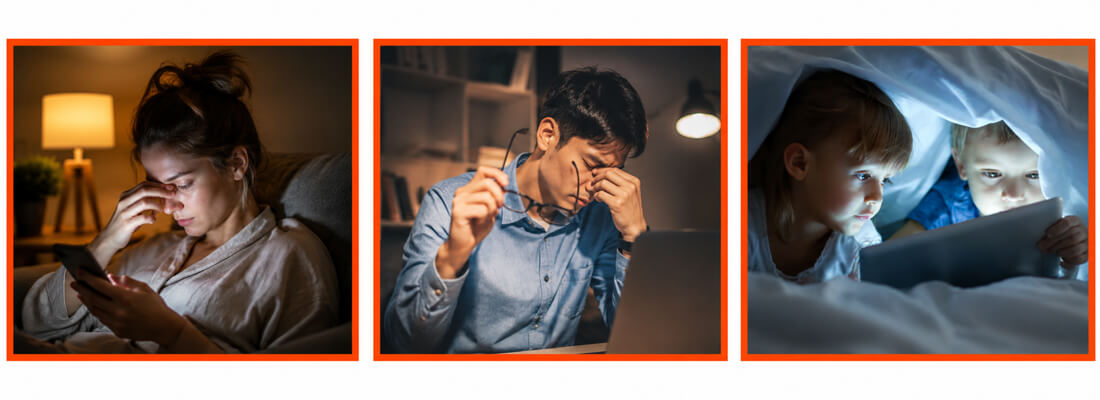
За последнее десятилетие все больше домохозяйств перешли с ламп накаливания на светодиоды., некоторые пользователи начали испытывать такие симптомы, как усталость глаз, головные боли, или зрительный дискомфорт. Следовательно, многие люди предполагали, что светодиодные фонари вредят их зрению.
На самом деле, эти симптомы обычно вызваны одним или несколькими из следующих:
- Некачественные светодиодные лампы.
- Чрезмерная яркость
- Резкий свет
- Мерцающий свет
- Неправильная цветовая температура
- Долгие часы воздействия цифрового экрана
Другими словами, обычно проблема заключается в качестве освещения, а не в самой светодиодной технологии..
Поэтому, выбор хорошо спроектированных светодиодных светильников для внутреннего освещения гораздо важнее, чем полный отказ от светодиодов..
Действительно ли светодиодные фонари опасны для ваших глаз??
К счастью, текущие научные данные показывают, что обычное светодиодное освещение в помещении не нет повредить здоровые глаза в типичных условиях дома или на рабочем месте.
Большинство специалистов по уходу за глазами согласны с тем, что сертифицированные светодиодные лампы безопасны, если они соответствуют признанным стандартам безопасности..
Вместо того, чтобы беспокоиться о самих светодиодах, покупатели должны обратить внимание на качество освещения, включая:
- Стабильная светоотдача
- Работа без мерцания
- Низкий уровень бликов
- Соответствующая яркость
- Подходящая цветовая температура
- Высококачественные светодиодные чипы и драйверы
В конечном счете, эти факторы оказывают гораздо большее влияние на визуальный комфорт, чем сама технология освещения..
Понимание синего света в светодиодных лампах
Одной из самых больших проблем, связанных со светодиодными светильниками для помещений, является синий свет..
Как естественный солнечный свет, синий свет также излучают многие повседневные устройства., включая:
- Смартфоны
- Таблетки
- Компьютерные мониторы
- Телевизоры
- светодиодное освещение
Потому что холодные белые светодиоды содержат более высокую долю синих волн, чем теплые белые светодиоды., многие потребители опасаются, что могут повредить глаза.
К счастью, количество синего света, излучаемого стандартными светодиодными лампами для помещений, обычно намного ниже, чем облучение, которое люди получают от солнечного света или часов, смотрящих на цифровые экраны..
Поэтому, для большинства людей, Внутреннее светодиодное освещение не подвергает глаза вредному воздействию синего света при обычном ежедневном использовании..
Могут ли светодиодные фонари вызывать напряжение глаз?
Хотя сами по себе светодиоды редко вредят глазам, они могут способствовать перенапряжению глаз при определенных условиях.
1. Чрезмерная яркость
Прежде всего, многие домовладельцы устанавливают лампы, которые светят намного ярче, чем необходимо..
Как результат, глаза постоянно приспосабливаются к чрезмерному освещению, со временем приводит к усталости.
Вместо, выбирайте светодиодные лампы с световым потоком, соответствующим размеру помещения и предполагаемому использованию..
2. Блики
Еще одна распространенная причина дискомфорт глаз – это яркий свет.
Голые светодиодные лампы или светильники без рассеивателей могут создавать резкие, прямой свет, особенно на кухне, ванные комнаты, офисы, и торговые площади.
Например, использование замороженных лампочек, абажуры, или рассеянные светильники помогают создать более мягкое освещение, значительно снижая утомляемость глаз..
3. Мерцающие светодиоды
Кроме того, в некоторых недорогих светодиодных лампах используются некачественные драйверы, которые создают невидимое мерцание..
Хотя многие люди не могут сознательно увидеть мерцание, их глаза и мозг все еще реагируют на это, что может привести к:
- Головные боли
- Напряжение глаз
- Трудности с концентрацией внимания
Поэтому, Инвестирование в светодиодные лампы без мерцания — один из самых простых способов улучшить комфорт освещения в помещении..
4. Неправильная цветовая температура
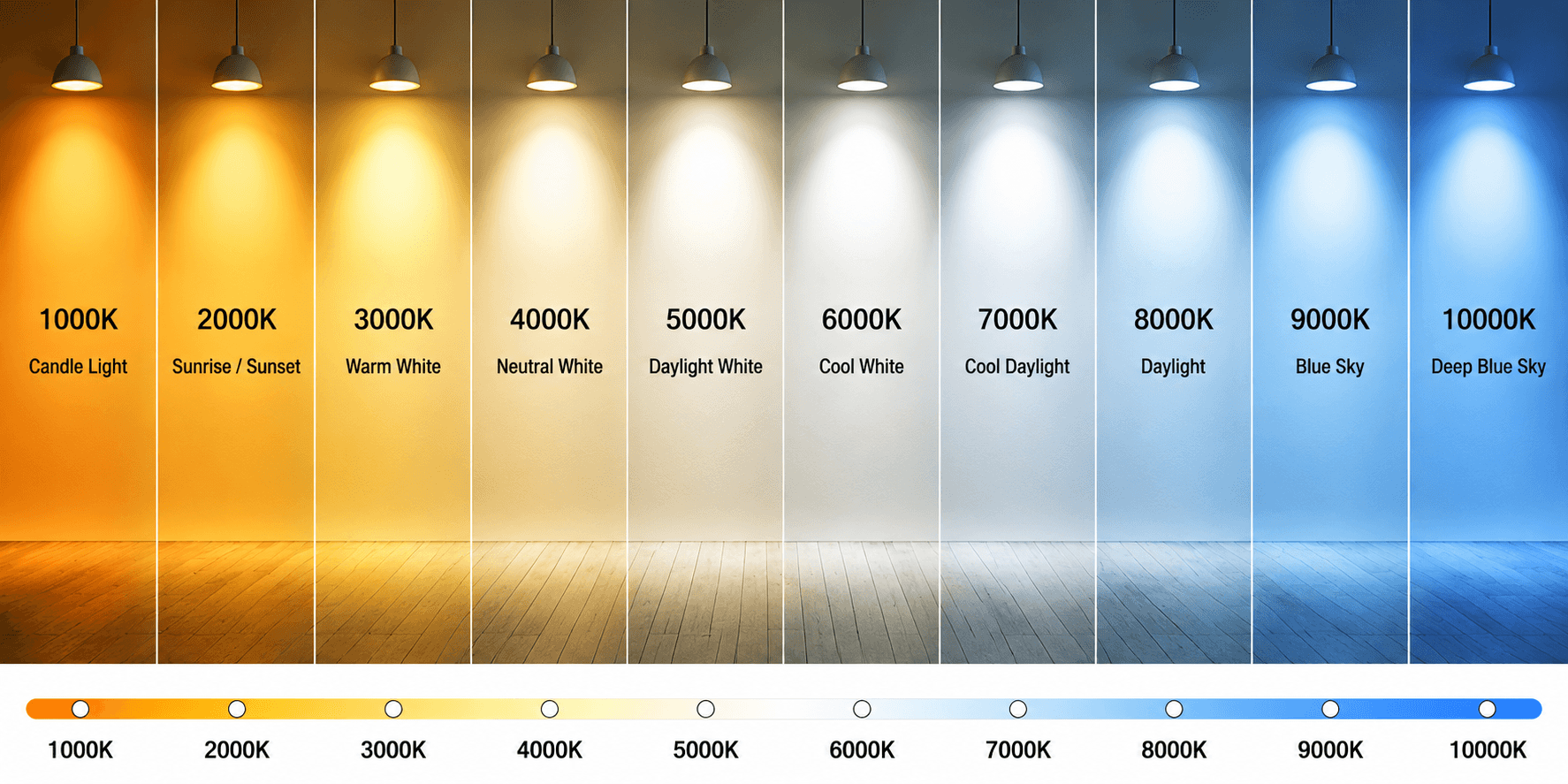
Помимо яркости, Цветовая температура также оказывает существенное влияние на визуальный комфорт..
| Цветовая температура | Появление | Лучшее для |
|---|---|---|
| 2700K | Теплый белый | Спальни, Гостиные |
| 3000K | Мягкий теплый белый | Столовые, Отели |
| 4000K | Нейтральный Белый | Кухни, Офисы |
| 5000К–6500К | Прохладный дневной свет | Гаражи, Мастер-классы |
Вообще говоря, теплые белые светодиодные лампы между 2700К и 3000К обеспечить максимально комфортное освещение для расслабления внутренних помещений.
Тем временем, более прохладное освещение лучше подходит для задач, ориентированных на среду, где требуется большая видимость.
Влияют ли светодиодные фонари на сон?
Хотя светодиодные фонари безопасны для ваших глаз, они могут повлиять на ваш цикл сна, если их неправильно использовать.
Яркий, насыщенный синий свет вечером может снизить выработку мелатонина, что затрудняет засыпание.
Однако, этот эффект не уникален для светодиодного освещения..
Фактически, смартфоны, таблетки, ноутбуки, мониторы компьютеров часто излучают значительно больше синего света, чем светодиодные лампы для помещений..
Чтобы минимизировать влияние, рассмотрите следующее:
- Используйте теплые белые светодиодные лампы после захода солнца..
- Уменьшите освещение в помещении вечером.
- Ограничьте время перед экраном перед сном.
- Выбирайте умные светодиодные лампы с регулируемой цветовой температурой..
Как результат, вы создадите более расслабляющую ночную обстановку.
Полезны ли теплые белые светодиоды для ваших глаз??
Для большинства внутренних помещений, ответ - да.
Теплый белый светодиодный свет обеспечивает более мягкое освещение с меньшими бликами., что делает его идеальным для:
- Спальни
- Гостиные
- Отели
- Рестораны
- Кафе
- Зоны для чтения
С другой стороны, Холодное белое освещение остается отличным выбором для офисов, кухни, семинары, и розничные магазины, где видимость и концентрация являются приоритетами.
В конечном счете, Выбор правильной цветовой температуры зависит от того, как будет использоваться помещение..
Как выбрать удобные для глаз светодиодные светильники для помещений
Если вы покупаете внутреннее светодиодное освещение для дома или бизнеса, учитывать следующие факторы.
Выбирать Светодиодные лампы без мерцания
Прежде всего, ищите немерцающие светодиоды с высококачественными драйверами.
Это особенно важно для офисов., классы, и рабочие места, где свет остается включенным в течение длительного времени.
Выберите правильную яркость
Следующий, не думайте, что чем ярче, тем лучше.
Вместо, сопоставьте световой поток с размером помещения и предполагаемой деятельностью.
Выберите подходящую цветовую температуру
Так же, выбор правильной цветовой температуры повышает комфорт и производительность.
- 2700К–3000К: Расслабляющий
- 4000K: Ежедневная работа
- 5000К+: Подробное освещение рабочего места
Ищите высокий CRI
Кроме того, выбирайте светодиодные лампы с индексом цветопередачи (ЦНИИ) по крайней мере 80; а ЦНИИ 90+ обеспечивает еще большую естественная точность цветопередачи и визуальный комфорт. На нашем сайте, Вы можете найти светодиодную лампу, которая обладает всеми этими характеристиками; кликните сюда для большего количества моделей.
Уменьшите прямые блики
Окончательно, улучшить качество освещения с помощью:
- Матовые светодиодные лампы
- Диффузоры
- Абажуры
- Встроенное освещение
- Непрямое освещение
Вместе, эти решения создают более мягкую, более комфортное освещение в помещении.
Заключительные мысли
Общий, Внутренние светодиодные светильники не вредны для ваших глаз, если вы выбираете качественную продукцию и правильно ее используете..
Вместо того, чтобы винить саму светодиодную технологию, Покупатели должны сосредоточиться на выборе светодиодных ламп без мерцания., соответствующие уровни яркости, теплые цветовые температуры, где это возможно, и светильники, которые минимизируют блики.
Независимо от того, обновляете ли вы дом, меблировка гостиницы, проектирование офиса, или закупка товаров оптом, инвестиции в светодиодное освещение премиум-класса обеспечивают лучший визуальный комфорт, более высокая энергоэффективность, и снижение затрат на долгосрочное обслуживание.
Суммируя, правильное светодиодное освещение не только экономит энергию, но и создает более здоровый образ жизни., более комфортная внутренняя среда, обеспечивая при этом производительность, которую ожидают сегодняшние домовладельцы и предприятия.