 English
 العربية
 Français
 Deutsch
 Italiano
 Polski
 Português
 Русский
 Español
 Українська


Explorando o mundo das lâmpadas HID: Um guia completo do comprador
Ao escolher a iluminação para armazéns, áreas externas, edifícios industriais, ou grandes espaços comerciais, os compradores muitas vezes precisam de uma solução que ofereça brilho poderoso, desempenho confiável, e longas horas de operação. Embora a tecnologia LED tenha se tornado cada vez mais popular nos últimos anos, Lâmpadas HID (Lâmpadas de descarga de alta intensidade) ainda são amplamente utilizados em muitas aplicações de iluminação profissional.
Então, o que exatamente são lâmpadas HID? Como funcionam as lâmpadas HID? E eles ainda são uma escolha adequada para o seu projeto de iluminação?? Neste guia completo do comprador, explicaremos tudo o que você precisa saber sobre Lâmpadas HID, incluindo seus tipos, vantagens, desvantagens, aplicações, e principais considerações de compra.
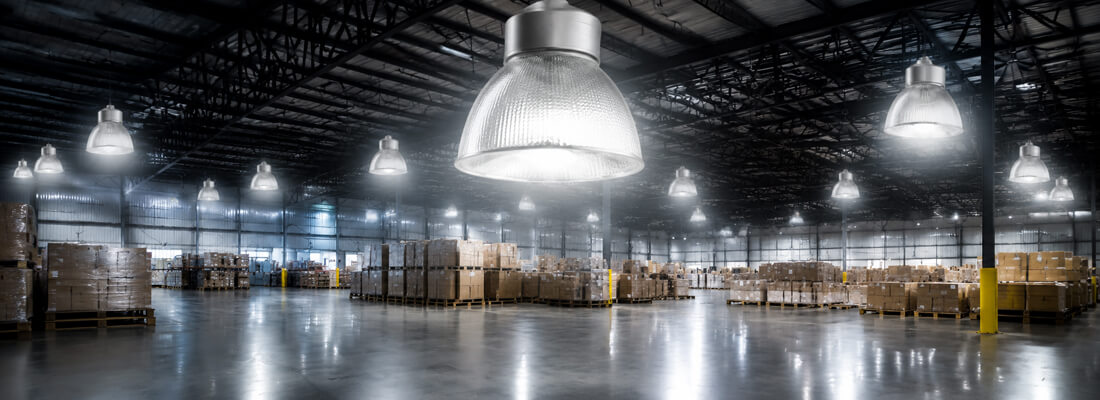
O que são lâmpadas HID?
Lâmpadas HID, também conhecido como Lâmpadas de descarga de alta intensidade, são um tipo de solução de iluminação de alto rendimento que produz luz criando um arco elétrico entre eletrodos dentro de um tubo cheio de gás.
Ao contrário das lâmpadas incandescentes tradicionais que geram luz através de um filamento aquecido, As lâmpadas HID usam tecnologia de descarga de gás para criar uma saída de luz muito mais forte. Como resultado, As lâmpadas HID são especialmente adequadas para ambientes que exigem iluminação potente em grandes áreas.
Devido ao seu alto brilho e desempenho confiável, As lâmpadas HID têm sido comumente usadas em:
- Armazéns
- Fábricas
- Estacionamentos
- Iluminação pública
- Instalações esportivas
- Edifícios comerciais
Portanto, para compradores que procuram iluminação forte e ampla, As lâmpadas HID continuam sendo uma opção prática de iluminação.
Como funcionam as lâmpadas HID?
Para entender se as lâmpadas HID são adequadas para sua aplicação, é útil saber como eles funcionam.
Dentro de cada lâmpada HID, há um pequeno tubo de arco cheio de gases e elementos metálicos. Quando a energia elétrica passa pelo tubo, cria um arco entre dois eletrodos. Este arco produz luz intensa com saída muito maior do que muitas lâmpadas tradicionais.
No entanto, As lâmpadas HID geralmente não podem operar diretamente de fontes de alimentação padrão. Em vez de, eles exigem um lastro, que controla a corrente elétrica e fornece a tensão inicial correta.
Um sistema de iluminação HID completo normalmente inclui:
Lâmpada HID
A lâmpada HID é a principal fonte de luz. Diferentes materiais dentro da lâmpada determinam o brilho, temperatura de cor, e desempenho.
Lastro
O reator regula a potência e garante uma operação estável. Portanto, ao substituir lâmpadas HID, os compradores devem sempre verificar a compatibilidade do reator.
Calendário
O acessório protege a lâmpada HID e ajuda a distribuir a luz de forma eficiente em toda a área alvo.
Por esta razão, selecionar a lâmpada HID correta não é apenas uma questão de potência, mas também de combinar o sistema de iluminação existente.
Diferentes tipos de lâmpadas HID
Existem vários tipos de lâmpadas HID disponíveis no mercado. Cada tipo tem características diferentes, tornando-os adequados para diferentes aplicações.
1. Lâmpadas HID de iodetos metálicos
As lâmpadas HID de iodetos metálicos são populares porque fornecem luz branca brilhante com reprodução de cores relativamente boa.
Devido à sua aparência de cores equilibradas, eles são comumente usados em:
- Lojas de varejo
- Arenas esportivas
- Oficinas
- Edifícios comerciais
Além disso, As lâmpadas HID de iodetos metálicos são frequentemente escolhidas onde a visibilidade precisa das cores é importante.
2. Lâmpadas HID de sódio de alta pressão
Sódio de alta pressão (HPS) As lâmpadas HID são conhecidas por sua excelente eficiência e longa vida útil.
Comparado com outras lâmpadas HID, As lâmpadas HPS produzem uma luz quente amarelo-laranja. Portanto, eles são comumente usados para aplicações externas onde o brilho e a eficiência energética são as principais prioridades.
As aplicações típicas incluem:
- Iluminação rodoviária
- Áreas de estacionamento
- Iluminação de segurança
- Espaços exteriores industriais
3. Lâmpadas HID de vapor de mercúrio
As lâmpadas HID de vapor de mercúrio foram um dos primeiros tipos de tecnologia de iluminação HID.
Embora eles ainda possam fornecer iluminação forte, a sua eficiência é inferior em comparação com soluções de iluminação modernas. Como resultado, muitos usuários estão substituindo gradualmente sistemas de vapor de mercúrio mais antigos por opções mais eficientes em termos energéticos.
Benefícios das lâmpadas HID
Para muitos compradores, As lâmpadas HID permanecem atraentes devido ao seu desempenho comprovado e poderosa capacidade de iluminação.
1. Alta saída de luz
Uma das maiores vantagens das lâmpadas HID é o seu brilho impressionante.
Porque as lâmpadas HID podem produzir grandes quantidades de luz, são ideais para iluminar grandes espaços onde as lâmpadas padrão podem não fornecer cobertura suficiente.
Por exemplo, armazéns e instalações externas geralmente exigem iluminação de alto rendimento, tornando as lâmpadas HID uma escolha adequada.
2. Excelente Cobertura para Grandes Áreas
Ao contrário de pequenas lâmpadas residenciais projetadas para espaços limitados, As lâmpadas HID são desenvolvidas especificamente para aplicações que exigem iluminação de áreas amplas.
Portanto, eles são freqüentemente usados em:
- Instalações industriais
- Tetos altos
- Ambientes externos
- Grandes áreas comerciais
3. Tecnologia confiável e comprovada
Outra vantagem das lâmpadas HID é o seu longo histórico de uso bem-sucedido..
Durante décadas, empresas e indústrias confiaram na iluminação HID devido à sua durabilidade e desempenho estável. Como resultado, muitos sistemas de iluminação existentes ainda usam lâmpadas HID hoje.
Limitações das lâmpadas HID
Embora as lâmpadas HID ofereçam excelente brilho, os compradores também devem compreender suas limitações antes de comprar.
Tempo de inicialização mais longo
Ao contrário das lâmpadas LED que acendem instantaneamente, As lâmpadas HID geralmente requerem vários minutos para atingir o brilho total.
Portanto, As lâmpadas HID podem não ser a melhor escolha para aplicações onde é necessária iluminação instantânea.
Requer compatibilidade de lastro
A maioria das lâmpadas HID requer um reator para funcionar corretamente.
Devido a esta, os compradores precisam confirmar:
- Tipo de lastro existente
- Potência da lâmpada
- Requisitos de tensão
- Compatibilidade de luminárias
A escolha de uma lâmpada HID incompatível pode resultar em baixo desempenho ou vida útil reduzida.
Manutenção regular pode ser necessária
Ao longo do tempo, As lâmpadas HID perdem brilho gradualmente e eventualmente precisam ser substituídas.
Portanto, as empresas que usam várias lâmpadas HID devem considerar os custos de manutenção e os cronogramas de substituição.
Lâmpadas HID versus lâmpadas LED: Qual você deve escolher?
Ao atualizar sistemas de iluminação, muitos compradores comparam Lâmpadas HID e lâmpadas LED.
| Recurso | Lâmpadas HID | Lâmpadas LED |
|---|---|---|
| Brilho | Produção muito alta | Alto rendimento com eficiência moderna |
| Hora de inicialização | Requer aquecimento | Ativação instantânea |
| Eficiência energética | Bom | Geralmente mais alto |
| Manutenção | Requer substituição periódica | Vida útil mais longa |
| Instalação | Muitas vezes requer lastro | Geralmente mais fácil |
De um modo geral, As lâmpadas HID ainda são uma opção prática para sistemas existentes que exigem alto brilho.
No entanto, para novas instalações de iluminação, muitos compradores escolhem soluções LED porque oferecem menor consumo de energia, vida útil mais longa, e manutenção mais fácil.
Aplicações comuns de lâmpadas HID
Por causa de sua poderosa iluminação, As lâmpadas HID são amplamente utilizadas em ambientes profissionais.
Iluminação Industrial
Fábricas e armazéns costumam usar lâmpadas HID porque podem iluminar efetivamente grandes espaços com tetos altos.
Iluminação externa
As lâmpadas HID são comumente instaladas em:
- Estacionamentos
- Estradas
- Áreas de segurança
- Instalações ao ar livre
Esportes e grandes instalações
Campos esportivos e grandes locais públicos exigem iluminação forte e consistente. Portanto, As lâmpadas HID continuam sendo uma solução confiável para esses ambientes.
Como escolher as lâmpadas HID certas?
Antes de comprar lâmpadas HID, os compradores devem considerar vários fatores importantes.
1. Confirme o tipo de lâmpada HID
Primeiro, verifique se o seu equipamento requer:
- Lâmpadas HID de iodetos metálicos
- Lâmpadas HID de sódio de alta pressão
- Lâmpadas HID de vapor de mercúrio
Usar o tipo correto garante melhor desempenho e segurança.
2. Combine potência e tensão
Segundo, sempre selecione lâmpadas HID com a potência e voltagem corretas.
Uma lâmpada com especificações incorretas pode causar mau desempenho de iluminação ou danificar o sistema.
3. Verifique a temperatura da cor
Diferentes lâmpadas HID fornecem diferentes cores de iluminação.
Por exemplo:
- Luz quente: adequado para áreas externas
- Luz branca: melhor para ambientes comerciais
Portanto, escolher a temperatura de cor certa ajuda a criar o ambiente de iluminação ideal.
4. Considere as necessidades futuras de substituição
Finalmente, os compradores devem considerar a disponibilidade, requisitos de manutenção, e custos operacionais de longo prazo antes de selecionar lâmpadas HID.
Um fornecedor confiável de lâmpadas HID pode ajudar a garantir a qualidade consistente do produto e uma substituição mais fácil.
Perguntas frequentes sobre lâmpadas HID
As lâmpadas HID ainda são usadas hoje??
Sim. Embora a iluminação LED esteja crescendo rapidamente, As lâmpadas HID ainda são amplamente utilizadas na indústria, ar livre, e aplicações comerciais onde é necessário alto brilho.
As lâmpadas HID são energeticamente eficientes?
As lâmpadas HID são mais eficientes do que muitas tecnologias de iluminação mais antigas. No entanto, lâmpadas LED modernas geralmente proporcionam melhor economia de energia.
As lâmpadas HID podem ser substituídas por lâmpadas LED??
Em muitos casos, Os sistemas HID podem ser atualizados para LED. No entanto, a compatibilidade depende do equipamento, fiação, e sistema de lastro.
Quanto tempo duram as lâmpadas HID?
A vida útil das lâmpadas HID depende do tipo de lâmpada, condições de operação, e manutenção. A instalação adequada pode ajudar a prolongar sua vida útil.
Considerações Finais: As lâmpadas HID são adequadas para o seu projeto?
Geral, As lâmpadas HID continuam sendo uma solução de iluminação poderosa para aplicações em grande escala. Graças ao seu alto brilho, ampla cobertura, e desempenho confiável, As lâmpadas HID continuam atendendo às indústrias, espaços comerciais, e ambientes externos.
No entanto, antes de comprar lâmpadas HID, os compradores devem considerar cuidadosamente seus requisitos de iluminação, luminárias existentes, custos de manutenção, e metas futuras de economia de energia.
Para sistemas de iluminação HID existentes, escolher as lâmpadas HID de reposição corretas pode fornecer uma solução econômica. Enquanto isso, para novos projetos, comparar lâmpadas HID com alternativas modernas de LED pode ajudá-lo a tomar uma decisão de iluminação mais inteligente a longo prazo.