English
 العربية
 Français
 Deutsch
 Italiano
 Polski
 Português
 Русский
 Español
 Українська


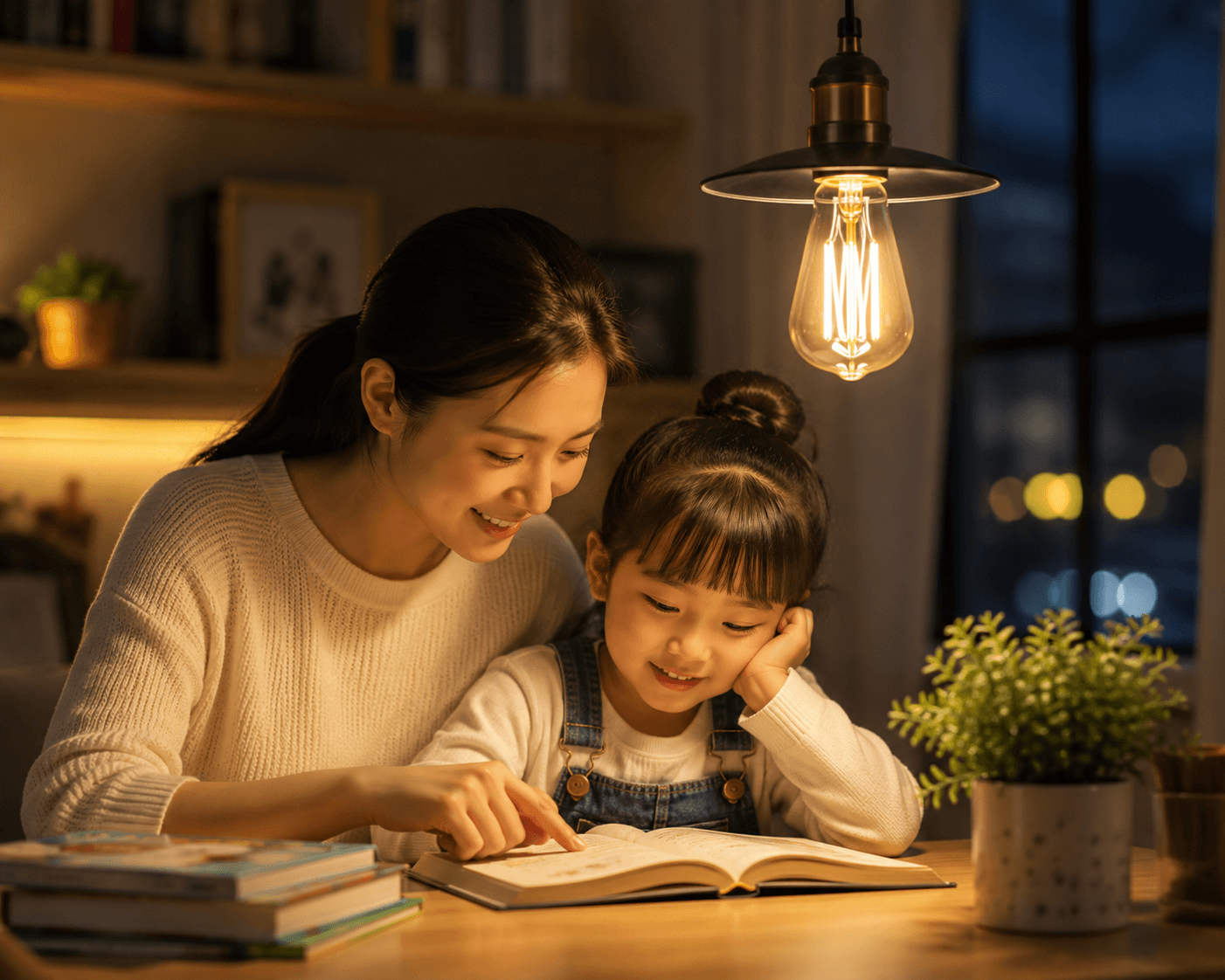
Lumière du jour contre. Ampoules blanches douces – Laquelle devriez-vous acheter?
Choisir la bonne ampoule peut changer radicalement l’apparence et la sensation de votre maison. Pourtant, de nombreux propriétaires sont toujours aux prises avec une question courante:
Faut-il choisir une ampoule lumière du jour ou une ampoule blanche douce?
Bien que les deux options puissent fournir un excellent éclairage, ils créent des atmosphères très différentes et servent à des fins différentes. Comprendre les différences entre la température de couleur, luminosité, et le rendu des couleurs vous aideront à faire le meilleur choix pour chaque pièce de votre maison.
Dans ce guide, nous vous expliquons tout ce que vous devez savoir sur les ampoules LED lumière du jour et blanc doux, y compris leurs principales différences, applications idéales, efficacité énergétique, et comment sélectionner l'ampoule parfaite pour vos besoins.
Quelle ampoule devriez-vous acheter – Blanc doux ou lumière du jour?
Avant d'expliquer la différence, Je pense que vous comprendrez mieux via l'image ci-dessous:
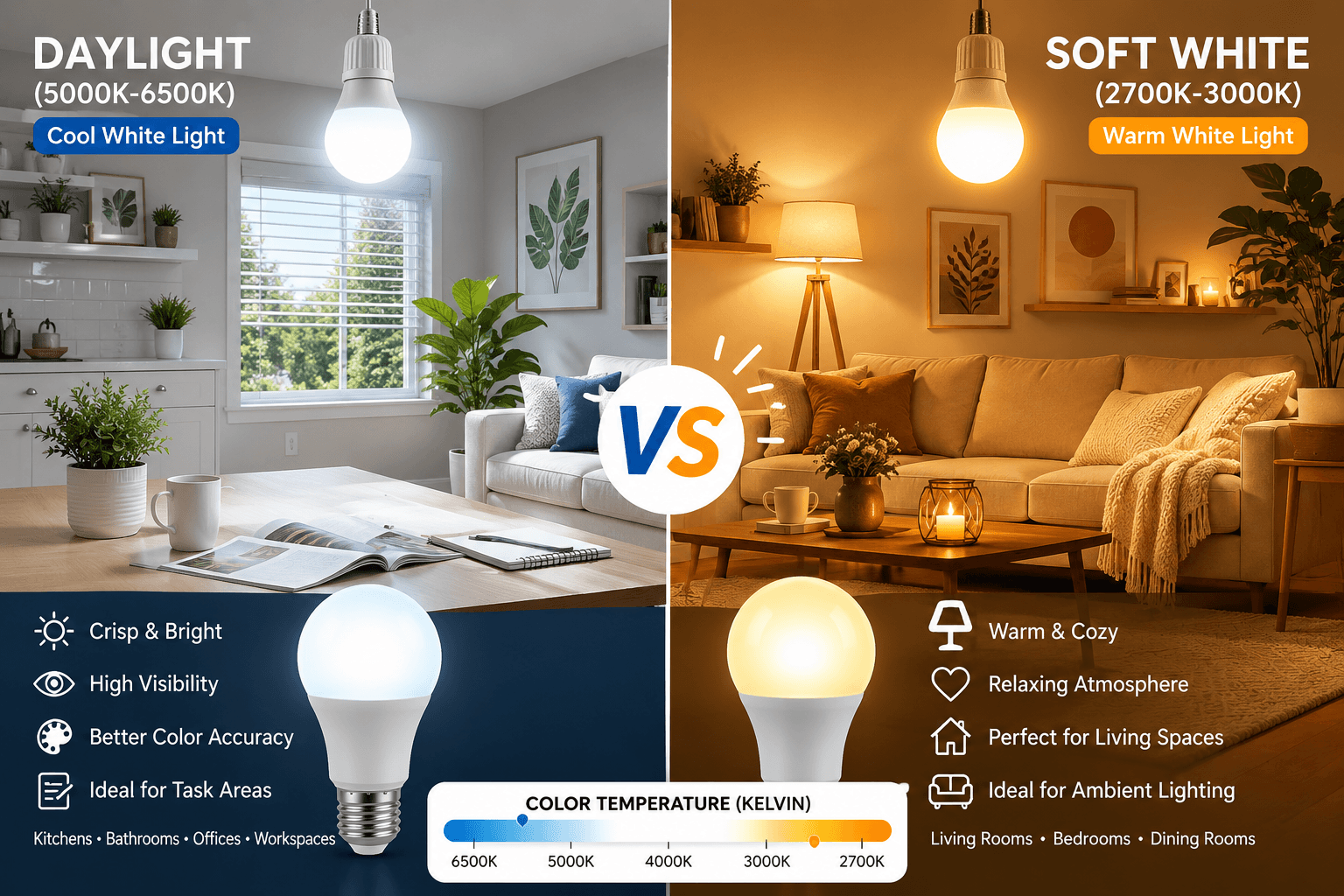
La réponse dépend en grande partie de l'endroit où vous comptez utiliser l'ampoule et de l'ambiance que vous souhaitez créer..
Même si les préférences personnelles jouent certainement un rôle, quelques directives simples peuvent vous aider à choisir le bon éclairage pour chaque espace.
Commençons par examiner les ampoules à lumière du jour.
Ampoules lumière du jour
Tout d'abord, il est important de ne pas confondre ampoules de jour avec ampoules blanches brillantes. Même s'ils peuvent sembler similaires, ils produisent des effets d'éclairage sensiblement différents.
Les ampoules LED lumière du jour sont conçues pour imiter le plus fidèlement possible la lumière naturelle du soleil.. Ils produisent un croustillant, lumière froide qui aide à révéler les couleurs avec précision et améliore la visibilité.
Typiquement, les ampoules lumière du jour ont une température de couleur comprise entre 5000K et 6500K, qui ressemble beaucoup à la lumière naturelle du jour.
Où devriez-vous utiliser des ampoules de lumière du jour?
Parce que les ampoules lumière du jour améliorent le contraste et la clarté visuelle, ils sont idéaux pour les zones où des tâches détaillées sont effectuées, tel que:
- Bureaux à domicile
- Salles d'étude
- Lampes de bureau
- Salles de bains
- Buanderies
- Ateliers
- Garage
- Cuisines
Par exemple, quand tu lis des recettes, hacher des légumes, se maquiller, ou travailler sur l'artisanat, les ampoules à lumière du jour vous aident à voir les couleurs et les détails avec plus de précision.
Pourquoi les ampoules lumière du jour sont idéales pour la précision des couleurs
Outre la température de couleur, un autre facteur important est le Indice de rendu des couleurs (Cri).
L'IRC mesure la précision avec laquelle une source de lumière révèle les couleurs par rapport à la lumière naturelle du soleil..
- Cri 80 = Bien
- Cri 90+ = Excellent
- Cri 95+ = Précision des couleurs de niveau professionnel
Une ampoule lumière du jour avec un IRC ci-dessus 90 peut faire de la nourriture, vêtements, meubles, et le décor semble plus dynamique et plus fidèle à la vie.
Si une perception précise des couleurs est importante, choisissez toujours une ampoule avec à la fois une température de couleur de lumière du jour et un indice CRI élevé.
Exemple de luminosité
Si vous remplacez une ampoule à incandescence traditionnelle de 60 watts par une ampoule LED lumière du jour, rechercher:
- Consommation d'énergie: 7–10 watts
- Luminosité: 650–800 Lumens
Souviens-toi, les lumens (et non les watts) déterminent la luminosité de l'ampoule.
Ampoules LED blanc doux
Alors que les ampoules lumière du jour se concentrent sur la clarté et la visibilité, les ampoules blanches douces sont conçues pour créer de la chaleur et du confort.
Les ampoules LED blanc doux émettent une lumière chaude, lueur invitante qui rend les pièces confortables et relaxantes. Leur température de couleur se situe généralement entre 2700K et 3000K.
Où devriez-vous utiliser des ampoules blanches douces?
Les ampoules blanc doux sont idéales pour les espaces où le confort et l'ambiance sont plus importants que l'éclairage de travail., y compris:
- Salons
- Chambres
- Salles à manger
- Chambres familiales
- Couloirs
- Coins lecture
Leur lumière chaleureuse crée une atmosphère accueillante qui favorise la détente et la conversation.
Pour cette raison, de nombreux propriétaires préfèrent un éclairage blanc doux dans les zones où ils se détendent après une journée bien remplie..
Limites de l’éclairage blanc doux
Bien que les ampoules blanches douces soient excellentes pour créer une ambiance et un confort, ils ne sont peut-être pas le meilleur choix pour des tâches très détaillées.
Lire des petits caractères, effectuer un travail de précision, ou identifier des différences de couleur subtiles peut être plus difficile sous un éclairage plus chaud.
Exemple de luminosité
Pour remplacer une ampoule à incandescence de 60 watts, choisissez une ampoule LED blanche douce avec:
- Consommation d'énergie: 7–10 watts
- Luminosité: 650–800 Lumens
Tout comme les ampoules de lumière du jour, la luminosité dépend des lumens plutôt que de la puissance.
Comprendre les lumières LED
Aujourd'hui, Les ampoules LED sont l’option d’éclairage la plus populaire dans le monde, et pour cause.
Bien que les LED puissent coûter légèrement plus cher que les ampoules à incandescence traditionnelles, ils offrent des économies substantielles à long terme.
Durée de vie plus longue
Une ampoule LED de qualité peut durer:
- 15,000–50 000 heures
Comparé à:
- 1,000 heures pour les ampoules à incandescence
Cela signifie moins de remplacements et des coûts de maintenance réduits.
Consommation d'énergie réduite
Les ampoules LED consomment beaucoup moins d'électricité.
Par exemple:
- 60Ampoule à incandescence W = environ 13 $/an
- Ampoule LED équivalente = environ 2 $/an
Par conséquent, de nombreux propriétaires récupèrent leur investissement initial au cours de la première année d'utilisation.
Puissance
Avant que la technologie LED ne devienne courante, les consommateurs jugeaient généralement la luminosité en fonction de la puissance.
L'hypothèse commune était:
Watts plus élevés = lumière plus brillante
Cependant, ce n'est plus vrai.
Dans un éclairage moderne, la puissance indique simplement la quantité d'énergie consommée par une ampoule, et non sa luminosité..
Donc, en comparant les ampoules LED, se concentrer sur les lumens plutôt que sur les watts.
Lumens (Luminosité)
Les lumens mesurent la quantité totale de lumière visible émise par une ampoule.
En termes simples:
Plus de lumens = Plus de luminosité
Ce qui est le plus brillant: Lumière du jour ou blanc doux?
Beaucoup de gens pensent que les ampoules lumière du jour sont automatiquement plus lumineuses que les ampoules blanches douces..
En réalité, la luminosité dépend entièrement du flux lumineux.
Par exemple:
- Ampoule lumière du jour: 800 lumens
- Ampoule blanche douce: 800 lumens
Les deux ampoules produisent la même luminosité.
Cependant, Les ampoules de lumière du jour semblent souvent plus lumineuses parce que l'œil humain perçoit les couleurs plus froides comme plus intenses..
Kelvin (Température de couleur)
La principale différence entre les ampoules lumière du jour et les ampoules blanc doux est leur température de couleur..
La température de couleur est mesurée en Kelvin (K).
Blanc doux
- 2700K–3000K
- Lueur jaune chaude
- Ambiance cosy et relaxante
Lumière du jour
- 5000K–6 500K
- Lumière blanche et bleue éclatante
- Visibilité maximale et précision des couleurs
Tableau de comparaison rapide
| Fonctionnalité | Blanc doux | Lumière du jour |
|---|---|---|
| Température de couleur | 2700K–3000K | 5000K–6 500K |
| Apparence | Jaune chaud | Blanc froid |
| Idéal pour | Chambres, Salons, Salles à manger | Cuisines, Salles de bains, Bureaux |
| Humeur | Relaxant & Confortable | Brillant & Énergétique |
| Précision des couleurs | Bien | Excellent |
| IRC recommandé | 90+ | 90+ |
Conclusion
Choisir entre des ampoules lumière du jour et des ampoules blanc doux ne consiste pas à décider laquelle est la meilleure, il s'agit de sélectionner le bon éclairage pour le bon environnement..
Si tu veux une ambiance chaleureuse, atmosphère confortable pour des invités relaxants et divertissants, choisir ampoules LED blanc doux (2700K–3000K).
Si vous avez besoin d'une visibilité maximale, couleurs précises, et un meilleur éclairage de travail, choisir ampoules LED lumière du jour (5000K–6 500K).
Quelle que soit la température de couleur, nous vous recommandons fortement de sélectionner des ampoules avec un IRC de 90 ou supérieur. Les ampoules à IRC élevé rendent les couleurs plus naturelles, vibrant, et plus proche de ce que vous verriez sous la lumière naturelle du soleil.
À Éclairage Huiyee, nos ampoules LED standard sont fabriquées avec Cri 90+, aider les propriétaires, détaillants, et les distributeurs d'éclairage offrent une qualité d'éclairage supérieure et une meilleure expérience visuelle.
Foire aux questions
Le blanc doux est-il identique au blanc chaud ??
Pas exactement.
Bien que les termes soient souvent utilisés de manière interchangeable, il y a une légère différence.
- Blanc doux: 2700K–3000K
- Blanc chaud: 3000K–4000K
Les ampoules blanc chaud semblent légèrement plus blanches et moins jaunes que les ampoules blanc doux.
Quel est le meilleur: Blanc doux ou lumière du jour?
Ni l’un ni l’autre n’est universellement meilleur.
Le meilleur choix dépend de votre application.
Choisir:
- Blanc doux pour le confort et la détente.
- Lumière du jour pour la visibilité et les activités axées sur les tâches.
Les ampoules lumière du jour et blanc brillant sont-elles identiques?
Non.
Les ampoules blanches brillantes se situent généralement entre:
- 3500K–4500K
Cela en fait un juste milieu entre les ampoules blanches douces et les ampoules lumière du jour..
De nombreux propriétaires préfèrent un éclairage blanc brillant pour les cuisines car il offre une apparence plus propre sans le ton bleuâtre des ampoules lumière du jour..
Dois-je utiliser des ampoules lumière du jour ou blanc doux dans la cuisine?
Pour la plupart des cuisines, les ampoules à lumière du jour sont la meilleure option car elles améliorent la visibilité et facilitent la préparation des aliments.
Cependant, si la lumière du jour semble trop froide ou bleue, une ampoule blanche brillante autour de 4000K peut constituer un excellent compromis.
À la recherche d'ampoules LED de haute qualité?
Notre usine fabrique une large gamme de produits d'éclairage LED pour répondre aux différents besoins d'éclairage résidentiel et commercial..
Nous offrons:
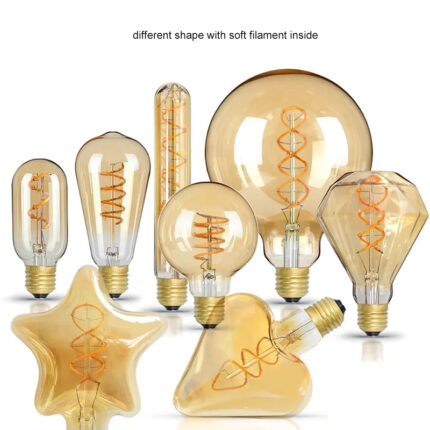
- Bulbes de filament LED
- Ampoules LED A19/60
- E26 & Ampoules LED E27
- Ampoules LED à bougie
- Ampoules Edison
- Ampoules Globes
- Ampoules LED à tubes
- Ampoules LED décoratives
- Ampoules décoratives de grande taille
- Ampoules LED à intensité variable
- Ampoules LED intelligentes
- OEM personnalisé & Solutions d'éclairage ODM
Cliquez ici pour plus d'articles
En plus de notre gamme de produits standards, de nombreuses ampoules décoratives peuvent être personnalisées selon vos besoins spécifiques, y compris la forme, puissance, température de couleur, Cri, conditionnement, image de marque, et besoins en certification.
Que vous soyez grossiste en luminaire, distributeur, détaillant, Vendeurs Amazon, entrepreneur du projet, ou propriétaire de la marque, nous pouvons vous aider à donner vie à vos idées d'éclairage.
Pour plus d’options d’ampoules LED, veuillez visiter notre site Web. Si vous avez des questions, exigences personnalisées, ou besoins en sourcing, n'hésitez pas à contactez notre équipe directement. Nous sommes toujours heureux de vous aider à trouver la solution d'éclairage parfaite.
Articles connexes