 English
 العربية
 Français
 Deutsch
 Italiano
 Polski
 Português
 Русский
 Español
 Українська


Are Indoor LED Lights Bad for Your Eyes?
Introduction
LED lighting has become the standard choice for modern homes, offices, hotels, and commercial spaces. Thanks to their outstanding energy efficiency and long lifespan, LED bulbs have largely replaced traditional incandescent and CFL lighting in recent years.
However, many homeowners and commercial buyers still ask the same question:
Are indoor LED lights bad for your eyes?
The good news is that the answer is generally no. High-quality indoor LED lights are not harmful to your eyes when they are properly designed and used under normal conditions. Instead, most lighting-related discomfort comes from poor-quality LED bulbs, excessive brightness, glare, flicker, or incorrect lighting design—not the LED technology itself.
In this guide, we’ll separate myths from facts, explain how LED lighting affects your vision, and help you choose eye-friendly LED bulbs for your home or business.
Why Do People Think LED Lights Hurt Their Eyes?
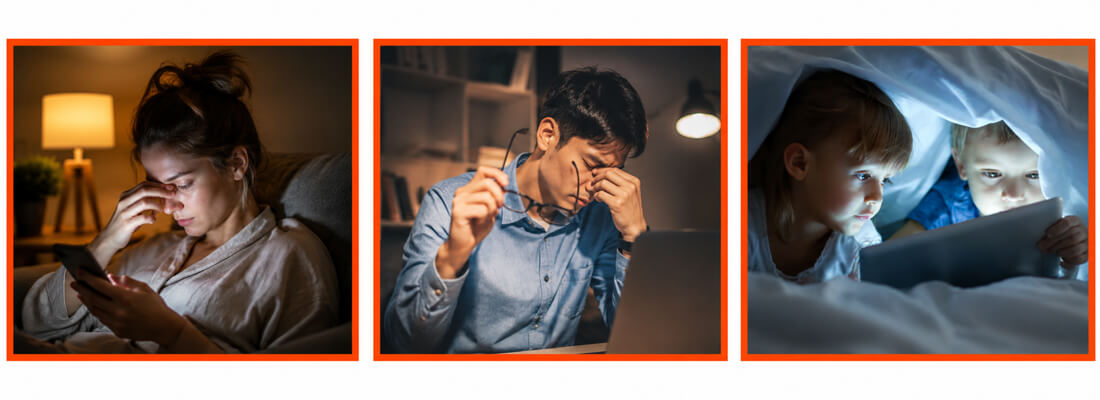
As more households switched from incandescent bulbs to LEDs over the last decade, some users began experiencing symptoms such as eye fatigue, headaches, or visual discomfort. Consequently, many people assumed that LED lights were damaging their eyesight.
In reality, these symptoms are usually caused by one or more of the following:
- Poor-quality LED bulbs
- Excessive brightness
- Harsh glare
- Flickering light
- Incorrect color temperature
- Long hours of digital screen exposure
In other words, the issue is usually the quality of the lighting environment rather than the LED technology itself.
Therefore, choosing well-designed indoor LED lights is far more important than avoiding LEDs altogether.
Are LED Lights Actually Dangerous for Your Eyes?
Fortunately, current scientific evidence indicates that normal indoor LED lighting does not damage healthy eyes under typical household or workplace conditions.
Most eye care professionals agree that certified LED bulbs are safe when they meet recognized safety standards.
Instead of worrying about LEDs themselves, buyers should pay attention to lighting quality, including:
- Stable light output
- Flicker-free performance
- Low glare
- Appropriate brightness
- Suitable color temperature
- High-quality LED chips and drivers
Ultimately, these factors have a much greater influence on visual comfort than the lighting technology itself.
Understanding Blue Light in LED Bulbs
One of the biggest concerns surrounding indoor LED lights is blue light.
Like natural sunlight, blue light is also emitted by many everyday devices, including:
- Smartphones
- Tablets
- Computer monitors
- Televisions
- LED lighting
Because cool white LEDs contain a higher proportion of blue wavelengths than warm white LEDs, many consumers worry that they may damage their eyes.
Fortunately, the amount of blue light produced by standard indoor LED bulbs is generally much lower than the exposure people receive from sunlight or spending hours looking at digital screens.
Therefore, for most people, indoor LED lighting does not expose the eyes to harmful levels of blue light during normal daily use.
Can LED Lights Cause Eye Strain?
Although LEDs themselves rarely harm your eyes, they can contribute to eye strain under certain conditions.
1. Excessive Brightness
First of all, many homeowners install bulbs that are much brighter than necessary.
As a result, the eyes constantly adjust to the excessive light, leading to fatigue over time.
Instead, select LED bulbs with lumen output that matches the room size and intended use.
2. Glare
Another common cause of eye discomfort is glare.
Bare LED bulbs or fixtures without diffusers can produce harsh, direct light, especially in kitchens, bathrooms, offices, and retail spaces.
For example, using frosted bulbs, lampshades, or diffused fixtures helps create softer illumination while significantly reducing eye fatigue.
3. Flickering LEDs
In addition, some low-cost LED bulbs use poor-quality drivers that create invisible flicker.
Although many people cannot consciously see the flicker, their eyes and brain still respond to it, which may result in:
- Headaches
- Eye strain
- Difficulty concentrating
Therefore, investing in flicker-free LED bulbs is one of the easiest ways to improve indoor lighting comfort.
4. Incorrect Color Temperature
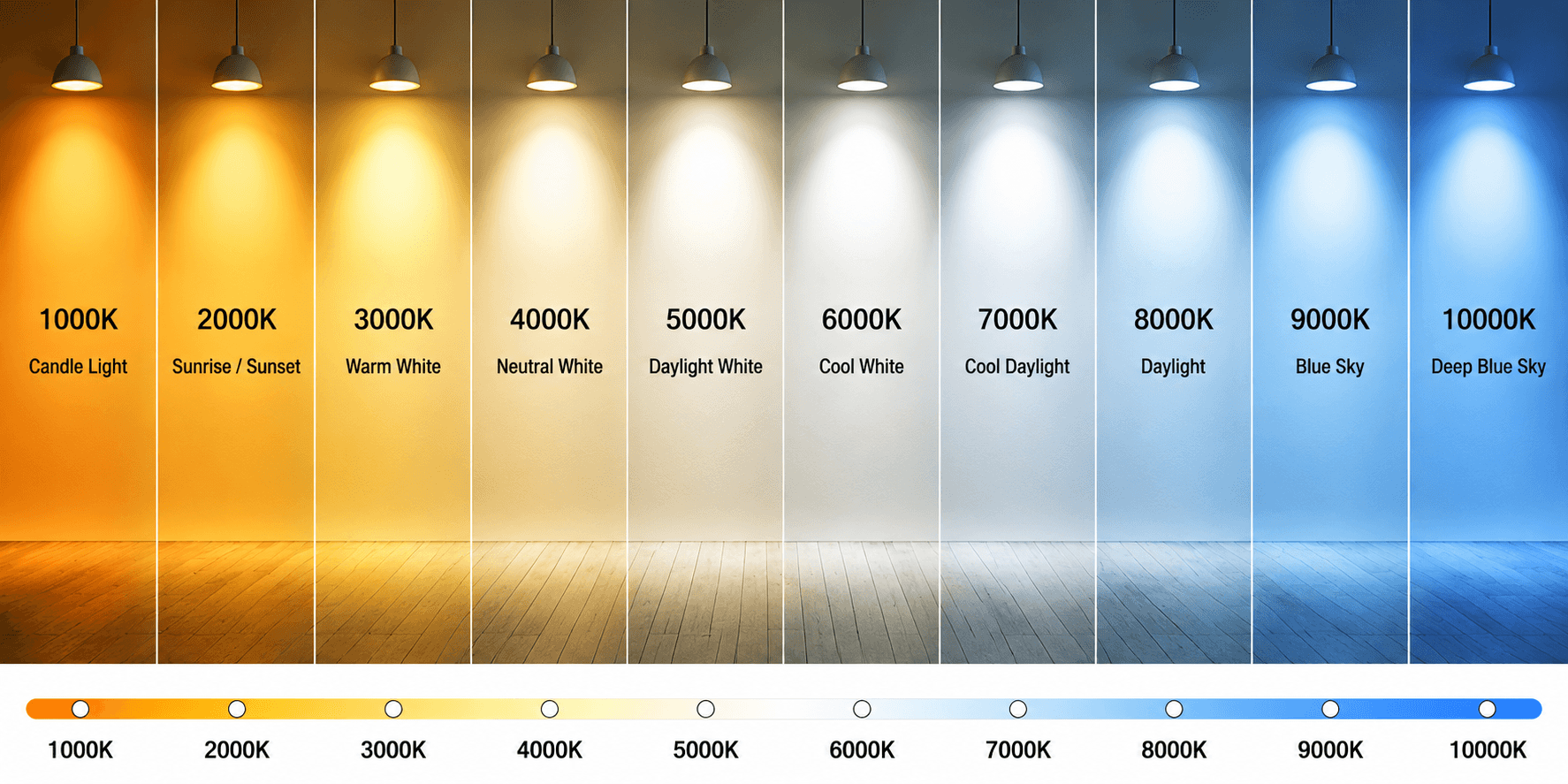
Besides brightness, color temperature also has a significant impact on visual comfort.
| Color Temperature | Appearance | Best For |
|---|---|---|
| 2700K | Warm White | Bedrooms, Living Rooms |
| 3000K | Soft Warm White | Dining Rooms, Hotels |
| 4000K | Neutral White | Kitchens, Offices |
| 5000K–6500K | Cool Daylight | Garages, Workshops |
Generally speaking, warm white LED bulbs between 2700K and 3000K provide the most comfortable lighting for relaxing indoor spaces.
Meanwhile, cooler lighting is better suited to task-oriented environments where greater visibility is required.
Do LED Lights Affect Sleep?
While LED lights are safe for your eyes, they can influence your sleep cycle if used improperly.
Bright, blue-rich light in the evening may reduce melatonin production, making it harder to fall asleep.
However, this effect is not unique to LED lighting.
In fact, smartphones, tablets, laptops, and computer monitors often emit significantly more blue light than indoor LED bulbs.
To minimize the impact, consider the following:
- Use warm white LED bulbs after sunset.
- Dim your indoor lighting in the evening.
- Limit screen time before bedtime.
- Choose smart LED bulbs with adjustable color temperatures.
As a result, you’ll create a more relaxing nighttime environment.
Are Warm White LEDs Better for Your Eyes?
For most indoor spaces, the answer is yes.
Warm white LED lighting produces softer illumination with less perceived glare, making it ideal for:
- Bedrooms
- Living rooms
- Hotels
- Restaurants
- Cafés
- Reading areas
On the other hand, cool white lighting remains an excellent choice for offices, kitchens, workshops, and retail stores where visibility and concentration are priorities.
Ultimately, selecting the right color temperature depends on how the room will be used.
How to Choose Eye-Friendly Indoor LED Lights
If you’re buying indoor LED lighting for your home or business, consider the following factors.
Choose Flicker-Free LED Bulbs
First and foremost, look for flicker-free LED lights with high-quality drivers.
This is particularly important for offices, classrooms, and workspaces where lights remain on for extended periods.
Select the Right Brightness
Next, avoid assuming that brighter is always better.
Instead, match the lumen output to the room size and intended activity.
Choose the Appropriate Color Temperature
Likewise, selecting the right color temperature improves both comfort and productivity.
- 2700K–3000K: Relaxing
- 4000K: Everyday work
- 5000K+: Detailed task lighting
Look for a High CRI
Additionally, choose LED bulbs with a Color Rendering Index (CRI) of at least 80; a CRI of 90+ provides even greater natural color accuracy and visual comfort. On our website, you can find the LED bulb which with all these features; click here for more models.
Reduce Direct Glare
Finally, improve lighting quality by using:
- Frosted LED bulbs
- Diffusers
- Lampshades
- Recessed lighting
- Indirect lighting
Together, these solutions create softer, more comfortable indoor illumination.
Final Thoughts
Overall, indoor LED lights are not bad for your eyes when you choose high-quality products and use them correctly.
Rather than blaming LED technology itself, buyers should focus on selecting flicker-free LED bulbs, appropriate brightness levels, warm color temperatures where suitable, and fixtures that minimize glare.
Whether you’re upgrading a home, furnishing a hotel, designing an office, or sourcing products for wholesale, investing in premium indoor LED lighting delivers better visual comfort, greater energy efficiency, and lower long-term maintenance costs.
In short, the right LED lighting doesn’t just save energy—it also creates a healthier, more comfortable indoor environment while providing the performance today’s homeowners and businesses expect.