Get Free Consultation!
We are ready to answer right now! Sign up for a free consultation.
I consent to the processing of personal data and agree with the user agreement and privacy policy

We are ready to answer right now! Sign up for a free consultation.
I consent to the processing of personal data and agree with the user agreement and privacy policy

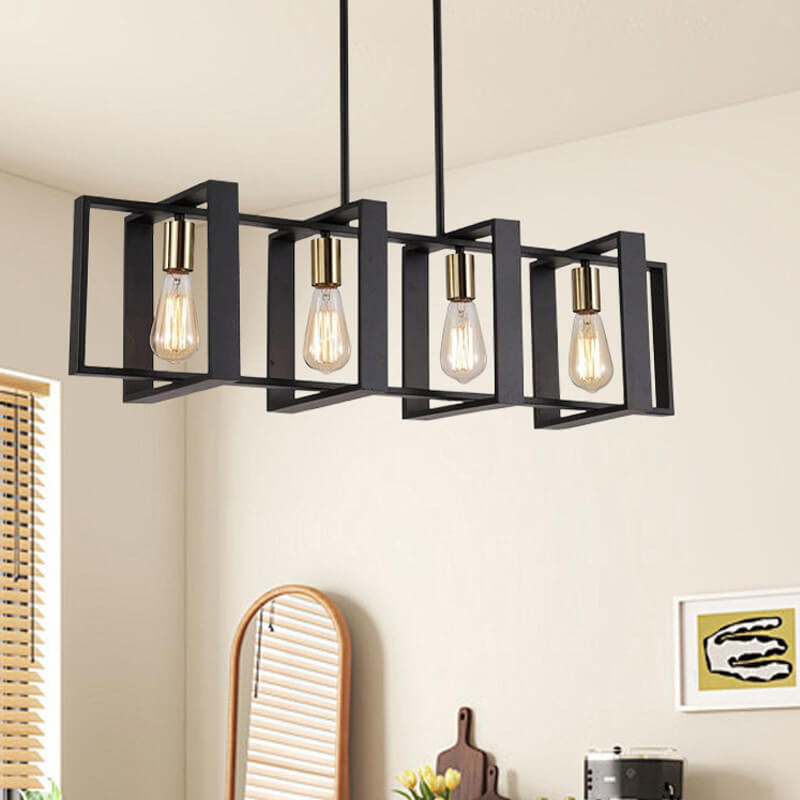
An expensive chandelier is far more than a simple lighting fixture. Instead, it represents a blend of craftsmanship, premium materials, engineering precision, and luxury branding. While chandeliers are often seen in hotels, mansions, and upscale interiors, many people still wonder why their price can range from a few hundred dollars to tens of thousands.
To answer this clearly, we need to break down the real factors that drive the cost.
First of all, chandeliers have always been associated with wealth and prestige. Historically, only palaces and aristocratic homes could afford them, which established their luxury identity early on.
In addition, this perception has carried into modern interior design. Today, an expensive chandelier still acts as a centerpiece that instantly elevates a space. As a result, designers and brands continue positioning chandeliers as statement décor rather than basic lighting.
Moreover, this emotional and symbolic value directly influences pricing, since buyers are not only purchasing light but also lifestyle expression.
Another major factor is the use of high-end materials. In fact, material selection alone can significantly increase the final cost of an expensive chandelier.
| Material | Why It Increases Cost |
|---|---|
| Crystal (lead or precision-cut glass) | Enhances light refraction and requires precise cutting |
| Brass | Durable, corrosion-resistant, and premium in appearance |
| Gold plating | Adds a luxury finish and increases production cost |
| Hand-forged iron | Requires skilled manual shaping |
| Imported glass | Higher sourcing and transportation costs |
Furthermore, high-quality crystal elements are often individually cut and polished. Therefore, not only do they improve visual brilliance, but they also increase production complexity and cost.
In addition to materials, craftsmanship plays a crucial role in pricing. Unlike mass-produced lighting, an expensive chandelier is often handcrafted.
First, artisans carefully assemble each component. Then, they balance the structure to ensure both stability and symmetry. Finally, they refine every detail through polishing and inspection.
Because of this labor-intensive process, production can take days or even weeks. Furthermore, the more detailed the design, the more time and skill are required.
Consequently, customers are not just paying for a product—they are paying for human expertise and artistry.
As designs become more advanced, engineering requirements also increase. Therefore, complexity directly affects cost.
An expensive chandelier must carefully balance beauty with structural safety. Designers must ensure proper weight distribution, hidden wiring systems, and secure ceiling installation.
In addition, multi-tier or oversized designs require advanced planning and testing. As a result, production becomes significantly more difficult and expensive.
To summarize the impact:
Thus, design sophistication directly drives pricing upward.
Beyond materials and labor, brand reputation also plays a powerful role in pricing.
Luxury lighting brands invest heavily in design innovation, storytelling, and exclusivity. Therefore, their products naturally carry higher price tags.
In many cases, an expensive chandelier is priced not only for its physical value but also for its brand identity. Moreover, limited editions and designer collaborations further increase exclusivity.
As a result, customers often pay for prestige as much as for functionality.
Even after production, additional costs continue to accumulate. For instance, installation alone can significantly increase the total price.
Because chandeliers are heavy and delicate, they often require professional installation. In addition, shipping large and fragile fixtures requires protective packaging and insurance.
Therefore, the final retail price reflects much more than manufacturing alone.
Among all types, crystal chandeliers are often the most expensive. This is because every crystal element requires precise cutting and assembly.
For example, premium crystals must be individually aligned to achieve maximum light reflection. Consequently, even small design errors can affect the entire visual effect.
In addition, some luxury brands use thousands of crystal pieces per chandelier. As a result, labor time increases dramatically.
Key reasons for higher cost:
Therefore, craftsmanship and detail work together to elevate both beauty and price.
At the same time, market demand strongly influences pricing. Luxury homeowners, hotels, and commercial designers often compete for statement lighting pieces.
Furthermore, interior design trends continuously shape what is considered desirable. When chandeliers become a trending focal point, demand increases, and so does pricing.
In addition, psychological factors play an important role. People often associate an expensive chandelier with success, elegance, and personal achievement.
Therefore, the value is not only functional but also emotional and symbolic.
Finally, the question remains: are they worth the price?
In many cases, the answer depends on long-term expectations. A high-quality chandelier can last decades while maintaining its visual appeal.
| Factor | Long-Term Impact |
|---|---|
| Durability | High-quality materials ensure a long lifespan |
| Aesthetic value | Strong visual centerpiece effect |
| Energy efficiency | Modern LED compatibility reduces costs |
| Investment value | Some luxury pieces retain resale value |
| Maintenance | Requires careful but infrequent upkeep |
Therefore, while the initial cost may be high, the long-term value can justify the investment for many buyers.
In conclusion, an expensive chandelier is costly because it combines multiple layers of value. First, premium materials increase production costs. Next, skilled craftsmanship adds labor intensity. Then, complex design and engineering raise technical demands. Finally, brand value and market psychology elevate perceived worth.
As a result, a chandelier becomes more than lighting—it becomes a statement of luxury, identity, and artistic expression.
Quick customized solution,and it takes 3-10 days after confirming detail.
If you like our lights, one free sample can be provided for reference.
We focus on high quality lights only. Your interiors need high quality.
Top quality lights has very high value. We protect it well for shipment.
Our team is available 24/7, and you can expect a response to your inquiries within 2 hours.
We are ready to answer right now! Sign up for a free consultation.
I consent to the processing of personal data and agree with the user agreement and privacy policy
