Get Free Consultation!
We are ready to answer right now! Sign up for a free consultation.
I consent to the processing of personal data and agree with the user agreement and privacy policy

We are ready to answer right now! Sign up for a free consultation.
I consent to the processing of personal data and agree with the user agreement and privacy policy

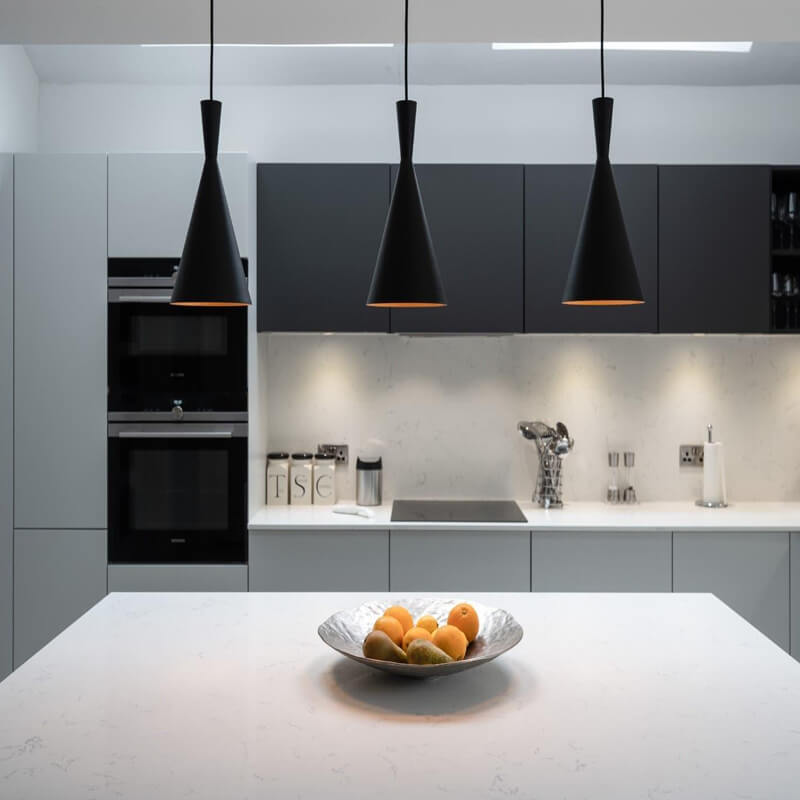
LED lighting has quickly become the preferred choice for homes, offices, hotels, restaurants, and commercial spaces worldwide. Compared with traditional incandescent and halogen bulbs, LED lights offer better energy efficiency, longer lifespan, lower maintenance costs, and improved lighting performance.
However, although LED technology has many advantages, some users may experience a common problem after installation — LED lights flickering.
A flickering LED bulb is not only annoying but can also affect the overall lighting experience. For example, it may create an uncomfortable atmosphere, reduce visual comfort, or make a room feel less inviting.
Fortunately, LED flickering is usually caused by a few common issues, and most problems can be solved with the correct solution.
In this guide, we will explain why LED lights flicker, how to find the cause, and the best ways to stop LED flickering effectively.
First of all, an incompatible dimmer switch is one of the most common reasons why LED lights flicker.
Traditional halogen and incandescent dimmers are designed for higher power loads. However, LED bulbs consume much less electricity and rely on electronic drivers to regulate current.
Therefore, when an LED bulb is connected to an old or unsuitable dimmer, the power supply may become unstable.
As a result, you may notice:
To avoid this problem, always choose LED-compatible dimmer switches together with dimmable LED bulbs.
Secondly, transformer compatibility is another frequent cause of LED flickering, especially for low-voltage MR16 LED downlights.
Many older halogen lighting systems use 12V electronic transformers designed for 20W–60W halogen bulbs. However, modern LED bulbs usually require only around 5W–7W.
Because of this difference, the transformer may not receive enough load to work correctly.
Consequently, the LED light may:
In this situation, replacing an old transformer with a suitable LED driver is usually the most reliable solution.
In addition, loose wiring can also cause LED lights to flicker.
Although many people immediately replace the bulb, the actual problem may come from the electrical connection.
Common problem areas include:
For example, if the LED light flickers when you touch the fixture or when there is vibration nearby, it may indicate a connection problem.
Therefore, electrical connections should always be checked by a qualified electrician.
Furthermore, some LED flickering problems are related to local power systems.
In Australia and New Zealand, electricity providers may use ripple control signals to manage off-peak appliances such as water heaters and street lighting.
Occasionally, some LED drivers can react to these high-frequency signals, causing visible flickering.
Typical signs include:
In this case, installing a suitable ripple control filter can effectively reduce interference.
Another possible reason is unstable voltage.
LED lights are more sensitive to voltage changes compared with traditional bulbs. When large appliances start operating, they may temporarily affect the electrical supply.
For example:
can create short voltage drops.
As a result, LED bulbs connected to the same circuit may briefly flicker.
This issue is especially common in restaurants, hotels, and commercial buildings where multiple high-power devices operate at the same time.
Besides visible flickering during operation, some LED bulbs may also flash or glow slightly after being switched off.
This is commonly known as LED ghost flickering.
Usually, this happens because a small amount of residual electricity remains in the circuit.
Common causes include:
Although this issue is generally not dangerous, it can be disturbing in bedrooms, hallways, or other dark areas.
Fortunately, installing a bypass device or choosing compatible components can usually solve this problem.
Moreover, the quality of the LED bulb itself plays an important role.
Low-cost LED bulbs often use cheaper drivers and lower-quality components. As a result, they may struggle to maintain a stable current.
Over time, even high-quality LED bulbs can begin flickering because internal electronic components naturally age.
Therefore, selecting reliable LED lighting products with high-quality drivers is essential for long-term performance.
Although LED bulbs produce less heat than traditional lighting, their internal drivers are still sensitive to high temperatures.
For example, LED lights installed in:
may experience overheating.
When the driver becomes too hot, it may activate protection mode, causing the LED light to flicker.
Therefore, always choose LED products suitable for the installation environment.
Finally, using different types of LED bulbs or drivers on the same circuit may also create flickering problems.
For instance, mixing different brands, wattages, or driver technologies can result in inconsistent performance.
This may cause:
For the best performance, use the same type and specification of LED bulbs throughout one lighting system.
Before replacing your LED bulbs, it is important to identify the real reason behind the flickering.
The following simple checks can help you locate the problem.
First, adjust the dimmer to maximum brightness.
Next, try installing the bulb in another fixture.
In addition, pay attention to the timing.
Also, make sure the total LED wattage matches the requirements of:
Incorrect load levels can easily cause unstable operation.
Finally, check the installation environment.
LED flickering is more likely to occur when lights are installed in:
Improving ventilation or replacing unsuitable products can often solve the issue.
Once the cause has been identified, choosing the correct solution becomes much easier.
Replace outdated dimmer switches with LED-compatible models, especially trailing-edge dimmers designed for modern LED technology.
Always check whether your LED bulb is marked as dimmable before connecting it to a dimmer.
Non-dimmable LED bulbs may flicker or malfunction when used with dimming systems.
For MR16 and low-voltage LED lighting, upgrading old transformers to LED drivers can greatly improve stability.
Alternatively, replacing older systems with integrated LED fixtures is another reliable option.
If flickering is caused by wiring problems, contact a licensed electrician to inspect and repair the installation.
For homes and businesses affected by ripple control signals, installing a suitable filter can help reduce LED flickering.
For smart switches or illuminated switches, a bypass device can remove unwanted flashing when the light is turned off.
High-quality LED bulbs usually provide:
Therefore, choosing reliable LED lighting products is one of the easiest ways to prevent flickering problems.
Furthermore, ensure LED fixtures have enough airflow.
Good ventilation helps protect the LED driver from overheating and improves product lifespan.
Finally, avoid mixing different LED bulbs and drivers on the same circuit.
Using matching lighting components helps achieve smoother dimming and more stable performance.
In Australia and New Zealand, ripple control signals are a unique factor that may affect LED performance.
Therefore, if flickering happens at predictable times, a ripple filter may be required.
In the UK, many homes still use older MR16 halogen systems.
As a result, replacing outdated transformers with LED drivers or upgrading to 230V integrated LED solutions can provide better reliability.
In the European Union, lighting regulations focus on reducing visible flicker and improving lighting comfort.
However, choosing compatible dimmers and high-quality LED products remains important for achieving stable lighting performance.
Overall, LED lights flickering is a common but usually solvable problem.
In most cases, the cause is related to:
By selecting the right LED products, using compatible accessories, and ensuring proper installation, you can enjoy stable, comfortable, and energy-efficient lighting for many years.
Safety Note:
If you suspect loose wiring, damaged switches, or electrical installation problems, always contact a licensed electrician. Never attempt to repair fixed electrical wiring yourself. For more no-flicker light bulbs, pls check here.
Quick customized solution,and it takes 3-10 days after confirming detail.
If you like our lights, one free sample can be provided for reference.
We focus on high quality lights only. Your interiors need high quality.
Top quality lights has very high value. We protect it well for shipment.
Our team is available 24/7, and you can expect a response to your inquiries within 2 hours.
We are ready to answer right now! Sign up for a free consultation.
I consent to the processing of personal data and agree with the user agreement and privacy policy
