 English
 العربية
 Français
 Deutsch
 Italiano
 Polski
 Português
 Русский
 Español
 Українська


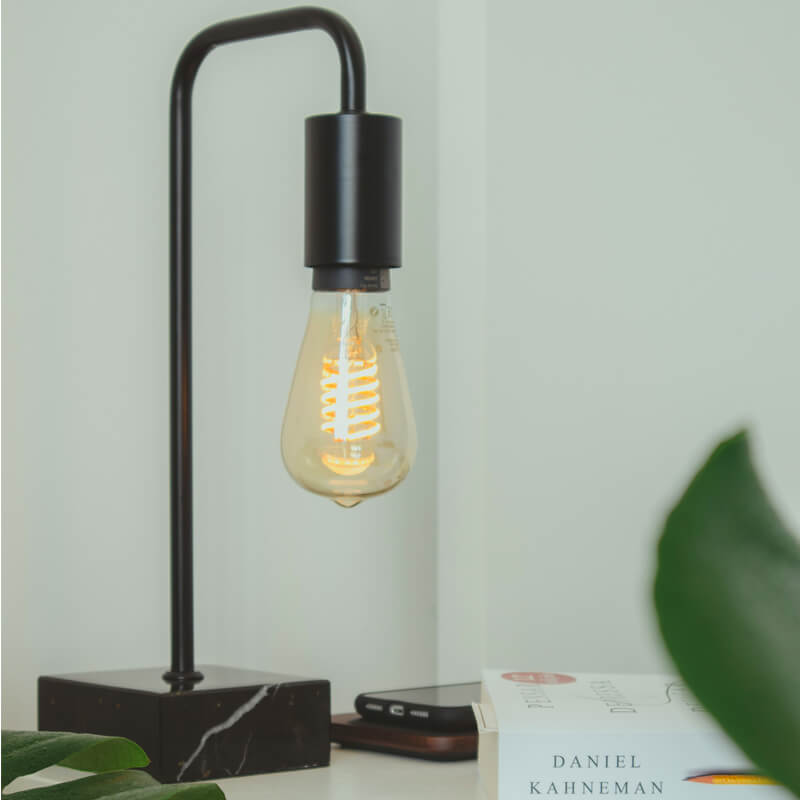
Могут ли светодиодные фонари действительно прослужить долго? 10 Годы? Истина раскрыта
При повседневном освещении, Светодиодные светильники уже давно вошли в миллионы домохозяйств благодаря своей энергоэффективности и экологическим преимуществам.. Среди всех их преимуществ, «долгий срок службы» является наиболее привлекательным аргументом в пользу продажи.. Многие производители светодиодов заявляют, что их продукция прослужит долго. 50,000 к 100,000 часы - намного больше 10 лет при использовании в ежедневном использовании, что побуждает многих потребителей покупать без колебаний..
Однако, реальный жизненный опыт часто говорит о другом. Многие пользователи обнаруживают, что их светодиодные фонари значительно тускнеют уже через два или три года., начать мерцать, или даже потерпеть неудачу. Так, Могут ли светодиодные фонари действительно прослужить стабильно? 10 годы? Какие скрытые факторы объясняют разрыв между заявленным сроком службы и фактической производительностью?
Понимание этого не только помогает потребителям избежать вводящих в заблуждение утверждений, но и позволяет совершать более разумные покупки., использование, и методы технического обслуживания — максимизация реальной ценности светодиодного освещения.
1. Теоретическая основа: Как определяется срок службы светодиодов
Чтобы определить, прослужат ли светодиодные фонари 10 годы, мы должны сначала понять, как определяется продолжительность жизни в отрасли.
В отличие от ламп накаливания, которые считаются «мертвыми» только тогда, когда они перестают светиться, срок службы светодиодов измеряется обесценение люмена, широко известный как Л70. Это означает, что срок службы светодиода подходит к концу, когда яркость падает до 70% исходного результата, не тогда, когда он полностью перестанет работать.
Большинство светодиодных чипов рассчитаны на 50,000–100 000 часов (Л70). В зависимости от использования:
-
5 часов в день → 27–54 года
-
12 часов в день → 11–22 года
На бумаге, превышающий 10 годы кажутся легкими.
Однако, эти цифры измерены в идеальных лабораторных условиях: стабильное напряжение, постоянная температура, среда без пыли, нет вибрации, и высококачественные драйверы и чипы. Реальные условия гораздо сложнее, что объясняет расхождение между теорией и реальностью.
2. Ключевые переменные, влияющие на реальный срок службы светодиодов
Фактический срок службы светодиодного фонаря зависит от множества взаимодействующих факторов.. Одно слабое звено может существенно сократить срок его службы..
(1) Качество продукции: Фонд долголетия
Три компонента определяют срок службы светодиодов: светодиодные чипы, питание драйвера, и рассеивание тепла.
-
светодиодные чипы: В высококачественных чипах используются более чистые полупроводниковые материалы и современная упаковка., что приводит к более медленному износу люмена. Некачественные чипы могут проиграть 50% яркость в течение 1–2 лет.
-
Питание драйвера: Известный как «сердце» светодиода, драйвер преобразует переменный ток в постоянный. Над 60% отказов светодиодов вызваны проблемами с драйверами. Дешевые драйверы легко перегреваются и не имеют защиты., while high-quality drivers include over-voltage, over-current, and over-temperature protection.
-
Heat dissipation: Над 70% of electrical energy in LEDs becomes heat. Poor thermal design traps heat, accelerating chip and driver aging. Many low-cost LEDs cut costs by reducing heat sinks, drastically shortening lifespan.
(2) Usage Environment: A Major Influencing Factor
-
Температура: High-heat environments (кухни, outdoor exposure) accelerate lumen decay and driver aging. Cooler indoor environments are far more favorable.
-
Voltage stability: Frequent voltage fluctuations and surge currents—especially in older buildings—stress LED drivers over time.
-
Switching frequency & cleanliness: Frequently switched lights (коридоры, ванные комнаты) wear faster. Dust, oil, and grime accumulation block heat dissipation and reduce lifespan.
(3) User Habits & Обслуживание: Lifespan Boosters or Killers
-
Установка: Installing LEDs without ventilation (например, sealed ceilings) удерживает тепло и ускоряет старение.
-
Обслуживание: Регулярная очистка от пыли и масла улучшает отвод тепла.. Проверка проводки каждые 1–2 года предотвращает выход из строя контактов..
-
Неправильное использование: Использование несовместимых диммеров, превышение номинального напряжения, или неправильная проводка может мгновенно вывести из строя светодиоды.
3. Проверка реальности: Теория против. Фактический срок службы
Из-за реальных факторов, Фактический срок службы светодиодов сильно зависит от сценария:
-
Домашнее использование: Высококачественные светодиоды, используемые 4–6 часов в день в стабильных помещениях, могут прослужить долго. 8–12 лет.
-
Некачественная продукция: Даже в хороших условиях, продолжительность жизни может быть только 2–5 лет.
-
Коммерческие настройки: Длительное ежедневное использование (12+ часы), частое переключение, и пыль сокращают срок службы 5–8 лет.
-
Суровые условия (на открытом воздухе, кухни, ванные комнаты): Нагревать, влага, oil, и пыль могут сократить срок службы до 3–6 лет, если не используются специальные приспособления.
Распространенные заблуждения
-
запутанный Срок службы светодиодного чипа с весь срок службы светильника
-
Ignoring lumen depreciation—lights may still work, but are too dim to be useful
-
Technological obsolescence—users replace working lights due to better efficiency or design
4. How to Make LED Lights Last Closer to 10 Годы
Smart Purchasing
-
Choose reputable brands with strong warranties
-
Look for drivers with full protection features
-
Prefer aluminum heat sinks and well-ventilated designs
-
Select application-specific products (IP65+ for outdoor, oil-resistant for kitchens)
Proper Usage
-
Avoid frequent switching
-
Use voltage stabilizers in unstable power environments
-
Leave sufficient ventilation space during installation
-
Use compatible dimmers only
Routine Maintenance
-
Clean fixtures regularly with a dry cloth
-
Inspect wiring and mounts every 1–2 years
-
Stop using lights immediately if flickering, overheating, or abnormal noise occurs
5. Заключение & Future Outlook
В теории, Светодиодные фонари абсолютно могут прослужить более 10 годы. На практике, будут ли они это делать, зависит от качество продукции, среда, и поведение пользователей.
Потребители не должны слепо доверять рекламируемой продолжительности жизни., но вместо этого сосредоточьтесь на основных компонентах и правильном применении.. С умными покупками, правильная установка, и текущее обслуживание, Светодиоды действительно могут обеспечить длительный срок службы., энергосберегающее освещение.
Как светодиодный чип, термический, и технологии драйверов продолжают совершенствоваться, Разрыв между теоретическим и фактическим сроком службы будет продолжать сокращаться, что приведет к более надежному и долговечному освещению в повседневной жизни..
Для получения дополнительной информации, пожалуйста связаться с нами напрямую.