 English
 العربية
 Français
 Deutsch
 Italiano
 Polski
 Português
 Русский
 Español
 Українська


As lâmpadas LED se tornaram a escolha padrão em residências, hospitalidade, e projetos comerciais em todo o Reino Unido, UE, Austrália, e Nova Zelândia. Isto ocorre principalmente porque os LEDs são energeticamente eficientes, duradouro, e capaz de produzir iluminação ambiente de alta qualidade.
No entanto, apesar dessas vantagens, um problema ainda aparece com bastante frequência em instalações do mundo real: cintilação visível.
Na prática, isso pode aparecer como um leve brilho, pulsação intermitente, ou brilho instável. À primeira vista, pode parecer menor, mas com o tempo, isso pode afetar seriamente a experiência do usuário. Por exemplo, pode fazer com que os interiores pareçam menos confortáveis, distrair os hóspedes em espaços de hospitalidade, e, em alguns casos, até contribui para a fadiga ocular.
O ponto importante é este: A cintilação do LED não é aleatória. Na maioria dos casos, tem uma causa técnica clara – e uma vez que você a entende, geralmente pode ser consertado facilmente.
Clique aqui para lâmpadas cintilantes visíveis
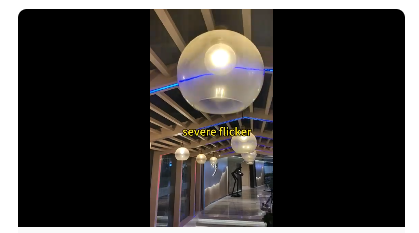
Principais causas da oscilação das lâmpadas LED
Para começar, é útil entender o que normalmente causa a oscilação do LED. Na maioria dos casos, o problema vem de uma incompatibilidade entre componentes ou condições elétricas instáveis.
1) Interruptores dimmer incompatíveis
Em primeiro lugar, vanguarda mais antiga (triac) dimmers foram projetados para cargas halógenas. Como resultado, quando eles são usados com LEDs de baixa potência, muitas vezes ocorre cintilação, especialmente em baixos níveis de escurecimento. O A União Europeia está gradualmente a eliminar produtos de iluminação ineficientes ao abrigo da Diretiva Ecodesign e do Regulamento da UE 2019/2015/UE. Então é hora de substituir seus dimmers antigos, já que as lâmpadas halógenas foram retiradas do mercado.
2) Drivers de LED de baixa qualidade
Além disso, produtos LED econômicos geralmente usam drivers simplificados que não conseguem regular a corrente suavemente, o que leva a uma saída de luz instável.
3) Incompatibilidade de transformadores em sistemas de baixa tensão
De forma similar, 12Os downlights V MR16 que usam transformadores eletrônicos mais antigos podem piscar porque a carga do LED é muito baixa para a faixa de operação do transformador.
4) Fiação solta ou conexões ruins
Outro motivo comum é o mau contato elétrico. Ao longo do tempo, terminais soltos ou soquetes desgastados podem causar cintilação intermitente, particularmente quando o aparelho é movido ou vibrado.
5) Flutuações de tensão
Além disso, aparelhos de alta potência, como aparelhos de ar condicionado ou refrigeradores, podem reduzir temporariamente a tensão em circuitos compartilhados, o que leva à cintilação visível do LED.
6) Interferência de controle de ondulação (Somente Austrália/Nova Zelândia)
Na Austrália e na Nova Zelândia, empresas de serviços públicos às vezes injetam sinais de controle na rede. Infelizmente, alguns drivers de LED interpretam esses sinais como ruído, resultando em oscilações periódicas.
7) Corrente fantasma ou oscilação fora do estado
Em alguns casos, uma pequena corrente residual de um interruptor inteligente ou interruptor iluminado pode fazer com que os LEDs brilhem ou pulsem mesmo quando desligados.
8) Superaquecimento de drivers de LED
Além disso, má ventilação em espaços de teto pode causar superaquecimento dos motoristas. Quando isso acontecer, circuitos de proteção podem desencadear comportamento de oscilação.
9) Degradação de componentes em fim de vida
Ao longo do tempo, componentes internos, como capacitores, degradam, o que reduz a estabilidade do driver e leva à cintilação.
10) Misturar componentes de iluminação incompatíveis
Finalmente, usar marcas ou tipos de drivers diferentes no mesmo circuito pode criar respostas elétricas inconsistentes, o que muitas vezes resulta em cintilação visível.
Como diagnosticar a cintilação de lâmpadas LED
Assim que uma cintilação aparecer, o próximo passo é identificar a fonte. Felizmente, existem várias verificações simples que você pode realizar.
1) Teste com brilho total
Para começar, coloque o dimmer no máximo. Se a cintilação desaparecer, o problema provavelmente está relacionado ao dimmer.
2) Identifique o tipo de dimmer
Próximo, verifique a especificação do dimmer. Se estiver rotulado como de ponta ou compatível apenas com halogênio, provavelmente não é adequado para LEDs.
3) Troque a lâmpada
Depois disso, tente mover a lâmpada para outro acessório. Se a cintilação segue a lâmpada, o LED é o problema; se não, o circuito é responsável.
4) Observe os padrões de tempo
Em alguns casos, a cintilação aparece no mesmo horário todos os dias. Se isso acontecer, especialmente na Austrália/Nova Zelândia, interferência no controle de ondulação é uma forte possibilidade.
5) Verifique as conexões físicas
Além disso, bater ou mover suavemente o aparelho pode revelar problemas de fiação solta se a cintilação responder ao movimento.
6) Revise a carga do circuito
Finalmente, certifique-se de que a carga total do LED corresponda aos requisitos do dimmer ou do transformador. Subcarga ou sobrecarga podem causar instabilidade.
Como impedir a oscilação das lâmpadas LED
Uma vez identificada a causa raiz, a solução geralmente é direta.
1) Atualize para dimmers compatíveis com LED
Em primeiro lugar, substitua dimmers antigos por versões com classificação LED de última geração. Eles são projetados especificamente para cargas LED modernas e fornecem controle mais suave.
2) Use lâmpadas LED reguláveis de alta qualidade
Além disso, escolha lâmpadas LED projetadas com drivers de baixa cintilação. Isso melhora significativamente a estabilidade em diferentes ambientes.
Também fornecemos lâmpadas LED de alta qualidade sem cintilação, sem sombra,1~100% regulável em nosso site. Por favor, verifique o Lâmpadas de filamento LED para mais informações.
3) Substitua transformadores obsoletos
Para sistemas MR16, muitas vezes é melhor substituir transformadores eletrônicos antigos por drivers de LED ou mudar para downlights LED de tensão de rede integrados.
4) Reparar fiação e conexões
Além disso, peça a um eletricista licenciado para inspecionar e apertar todas as conexões, especialmente em instalações mais antigas.
5) Instale filtros de controle de ondulação (Somente Austrália/Nova Zelândia)
Onde aplicável, um filtro de ondulação pode bloquear sinais de serviços públicos que interferem nos drivers de LED.
6) Padronize os componentes de iluminação
Finalmente, tente usar marcas de LED consistentes e drivers compatíveis dentro do mesmo circuito para garantir desempenho uniforme.
Considerações de segurança
Embora muitos problemas de cintilação sejam simples de corrigir, a segurança elétrica deve sempre vir em primeiro lugar.
- Não tente reparar a fiação fixa sozinho. Sempre use um eletricista licenciado.
- Se a cintilação for acompanhada de zumbido, cheiro de queimado, ou calor, desligue imediatamente a energia.
- Evite sobrecarregar dimmers ou misturar componentes elétricos incompatíveis, pois isso pode criar riscos de segurança.
Conclusão
Resumindo, A cintilação do LED é um problema comum, mas altamente solucionável em sistemas de iluminação modernos. A maioria dos problemas não é causada pelo próprio LED, mas sim por dimmers incompatíveis, transformadores desatualizados, problemas de fiação, ou interferência elétrica.
Portanto, combinando componentes cuidadosamente, atualizando para controles compatíveis com LED, e garantindo a instalação adequada, a cintilação geralmente pode ser eliminada.
Em última análise, quando tudo está configurado corretamente, A iluminação LED oferece aquilo para que foi projetada: estável, eficiente, e iluminação confortável sem distrações visuais.
As lâmpadas LED que você deve comprar são como as do vídeo.
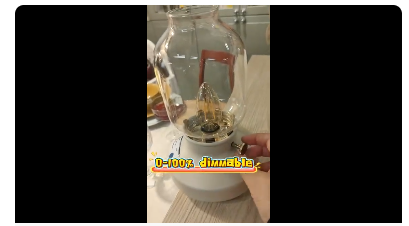
Para lâmpadas sem cintilação, por favor verifique nosso Coleção de lâmpadas Edison.