 English
 العربية
 Français
 Deutsch
 Italiano
 Polski
 Português
 Русский
 Español
 Українська


O que faz com que os tubos de LED falhem? Razões comuns e como prolongar sua vida útil
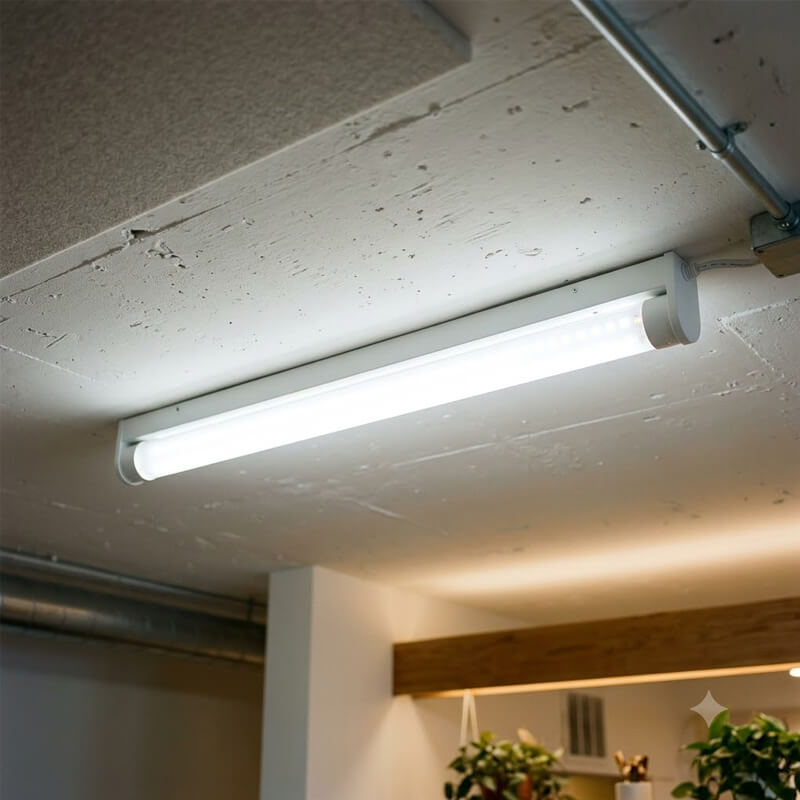
Os tubos LED tornaram-se uma das opções de iluminação mais populares para escritórios, armazéns, fábricas, garagens, supermercados, e casas. Comparado com tubos fluorescentes tradicionais, Tubos LED usar menos energia, fornecer melhor desempenho de iluminação, durar mais, e exigem menos manutenção.
No entanto, alguns usuários ainda enfrentam problemas após a instalação, como Tubos LED piscando, ficando escuro, ou parando de funcionar completamente. Isso muitas vezes faz os compradores se perguntarem: Por que os tubos LED falham se deveriam durar muitos anos?
Na maioria dos casos, A falha do tubo LED não é causada pela própria tecnologia LED, mas por fatores como componentes de baixa qualidade, superaquecimento, fonte de alimentação instável, instalação incorreta, ou ambientes operacionais inadequados.
Neste guia, explicaremos os motivos mais comuns pelos quais Tubos LED falham e compartilhe dicas simples para ajudá-lo a escolher e usar tubos de LED corretamente.
1. Low-Quality Components Cause LED Tubes to Fail Earlier
Primeiro, the quality of the internal components plays a key role in determining how long Tubos LED can last.
An LED tube contains several important parts, incluindo:
- Chips LED
- Drivers de LED
- Circuit boards
- Heat dissipation materials
- Fiação interna
Entre esses componentes, o Driver de LED é especialmente importante. The driver controls the electrical current that powers the LED chips. If the driver quality is poor, it may fail before the LED chips, causing the LED tube to flicker, become darker, or stop working.
Além disso, low-quality LED chips may have problems with brightness stability, color consistency, and overall lifespan.
Portanto, ao comprar Tubos LED, buyers should choose products from reliable manufacturers that use quality components, tested drivers, and strict quality control processes.
2. Excessive Heat Reduces LED Tube Lifespan
Besides component quality, heat is another major factor that affects Desempenho do tubo LED.
Embora Os tubos LED produzem muito menos calor que os tubos fluorescentes, eles ainda geram calor durante a operação. Se o calor não puder escapar adequadamente, altas temperaturas podem danificar o driver de LED e os circuitos internos.
As causas comuns de superaquecimento incluem:
- Instalação de tubos LED em luminárias fechadas com baixo fluxo de ar
- Usando tubos LED em áreas de alta temperatura
- Escolhendo uma válvula com níveis de potência inadequados
- Projeto de dissipação de calor ruim
Por exemplo, Tubos LED instalados em fábricas, armazéns, ou áreas próximas a fontes de calor pode exigir melhor gerenciamento térmico.
Alta qualidade Tubos LED geralmente usam dissipadores de calor de alumínio, materiais de habitação duráveis, e designs eficientes para controlar o calor e melhorar a vida útil.
3. Problemas de tensão podem danificar tubos de LED
Outra razão comum pela qual Tubos LED falham é tensão instável.
A iluminação LED requer uma fonte elétrica estável. No entanto, problemas como picos de energia, fiação antiga, or unstable electrical systems can damage the internal driver.
When voltage is too high, it may burn out the driver. When voltage is unstable or too low, users may notice:
- Tubos LED piscando
- Brilho reduzido
- Intermittent lighting
- Vida útil mais curta
Para evitar esses problemas, always select Tubos LED that match your local voltage requirements, such as 120V or 220V.
For commercial and industrial applications, choosing LED tubes with high-quality drivers and electrical protection features can provide better reliability.
4. Incorrect Installation Leads to LED Tube Problems
Even a high-quality Tubo LED can fail if it is installed incorrectly.
One of the most common installation mistakes is choosing the wrong wiring method.
Some Tubos LED are designed for:
- Direct wire installation (ballast bypass)
- Working with existing fluorescent ballasts
- Plug-and-play replacement
If the wrong installation method is used, it may cause:
- Cintilante
- Poor lighting performance
- Driver damage
- Safety issues
Loose connections between the LED tube and socket can also create unstable contact and cause the light to turn on and off.
Portanto, before replacing fluorescent tubes, buyers should carefully check the LED tube specifications and follow the installation instructions.
5. Moisture and Wrong Environments Affect LED Tubes
In addition to electrical issues, the installation environment also affects LED tube lifespan.
Moisture is a common problem, especially in areas such as:
- Garagens
- Oficinas
- Basements
- Outdoor spaces
- Instalações industriais
If water or moisture enters the inside of an Tubo LED, it can cause:
- Curtos-circuitos
- Corrosão
- Driver failure
- Reduced safety performance
For humid or outdoor applications, buyers should choose LED tubes with suitable waterproof or moisture-resistant designs.
Selecting the right LED tube for the right environment can greatly improve reliability.
6. Electrical Interference Causes LED Tubes to Flicker
Às vezes, LED tubes may flicker even when the product itself is not defective. The reason could be electromagnetic interference (EMI).
Nearby electrical equipment, como:
- Motors
- Factory machines
- Power supplies
- Control systems
may create electrical interference that affects LED tube operation.
Common symptoms include:
- Random flickering
- Brightness changes
- Unstable lighting
- Ruídos de zumbido
For commercial and industrial lighting projects, choosing LED tubes with better circuit protection and anti-interference designs can help prevent these issues.
7. Frequent Switching Can Affect LED Tube Life
Embora LED tubes are more durable than traditional fluorescent tubes, frequent switching can still affect their lifespan, especially when using low-quality products.
Applications such as:
- Iluminação do sensor de movimento
- Iluminação de segurança
- Stairway lighting
- Automatic control systems
may turn LED tubes on and off many times every day.
Frequent switching places additional stress on the LED driver. For these applications, it is better to choose LED tubes with durable drivers designed for frequent operation.
How to Prevent LED Tubes from Failing?
Most LED tube failures can be prevented by making the right choices before purchase and installation.
Choose High-Quality LED Tubes
When selecting Tubos LED, pay attention to:
- Chips LED de alta qualidade
- Reliable LED drivers
- Good heat dissipation design
- Certificações de segurança
- Stable lighting performance
A cheaper LED tube may reduce initial costs, but frequent replacements can increase long-term expenses.
Select the Right LED Tube for Your Application
Antes de comprar, sempre verifique:
- LED tube size (such as T8 or T5)
- Requisitos de tensão
- Tipo básico
- Wiring method
- Indoor or outdoor application
Escolhendo o correto Tubo LED ajuda a evitar problemas de compatibilidade e melhora o desempenho geral.
Instale os tubos LED corretamente
A instalação adequada é essencial para maximizar a vida útil do Tubos LED.
Siga sempre as instruções de instalação do fabricante. Para grandes projetos comerciais, instalação profissional é recomendada para garantir segurança e confiabilidade.
Conclusão: Escolha os tubos LED certos para desempenho a longo prazo
Então, o que faz com que os tubos de LED falhem?
Os motivos mais comuns incluem componentes de baixa qualidade, superaquecimento, tensão instável, instalação incorreta, exposição à umidade, interferência elétrica, e troca frequente.
No entanto, maioria Problemas com tubos de LED podem ser evitados. Ao escolher alta qualidade Tubos LED, instalando-os corretamente, e selecionando produtos adequados ao seu ambiente, você pode desfrutar de uma iluminação mais brilhante, custos de energia mais baixos, e maior vida útil.
Para empresas, atacadistas, distribuidores, e compradores de iluminação, investindo em confiável Tubos LED significa menos substituições, custos de manutenção reduzidos, e melhor valor a longo prazo.