 English
 العربية
 Français
 Deutsch
 Italiano
 Polski
 Português
 Русский
 Español
 Українська


Filamento de Carbono vs Filamento de Tungstênio
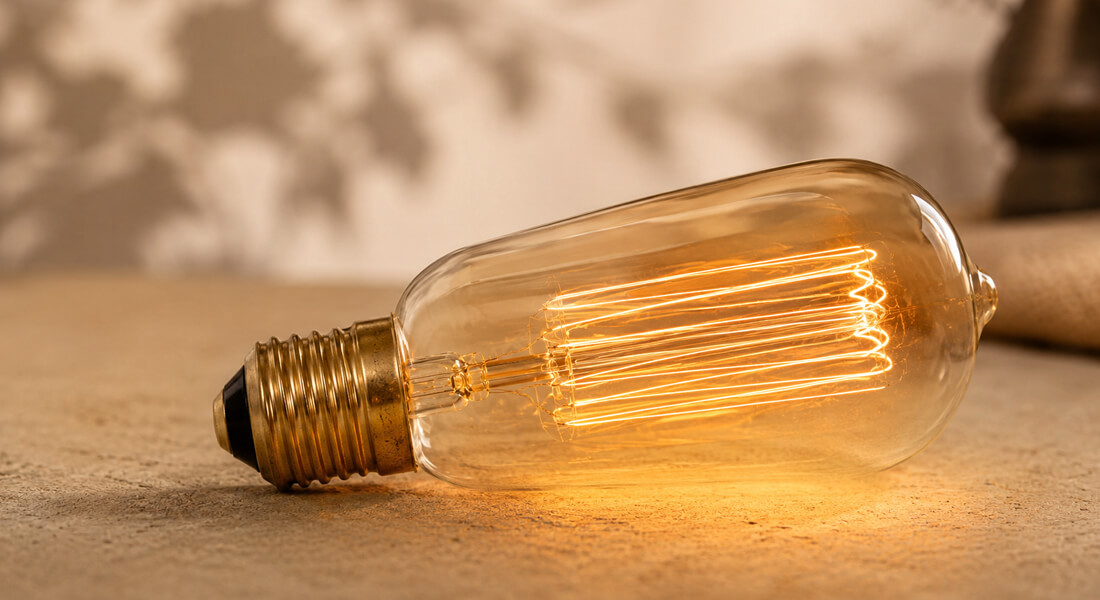
As lâmpadas de filamento vintage são valorizadas por seu brilho quente, filamentos expostos, e apelo atemporal. Seja usado em residências, cafés, restaurantes, ou hotéis, eles criam uma atmosfera aconchegante que a iluminação moderna muitas vezes não consegue igualar.
Ao comprar lâmpadas vintage, você normalmente encontrará dois tipos de filamento: filamento de carbono e filamento de tungstênio. Embora compartilhem uma aparência semelhante, eles diferem em brilho, eficiência, vida útil, e desempenho geral.
Este guia explica as principais diferenças para ajudá-lo a escolher a lâmpada certa.
A história dos filamentos de carbono e tungstênio
As primeiras lâmpadas incandescentes experimentaram vários materiais de filamento, incluindo platina. No entanto, não foi até Tomás Edison introduziu a lâmpada de filamento de carbono que a iluminação elétrica se tornou comercialmente prática.
Mais tarde, fabricantes adotaram tungstênio devido ao seu ponto de fusão extremamente alto. Como resultado, filamentos de tungstênio podem operar em temperaturas mais altas, produzindo mais luz enquanto dura muito mais que os filamentos de carbono.
Além disso, substituir o vácuo dentro do bulbo por gases inertes, como o argônio, ajudou a reduzir o escurecimento do vidro e prolongou ainda mais a vida útil do bulbo. Hoje, o tungstênio continua sendo o material padrão para lâmpadas incandescentes tradicionais e de estilo vintage.
Por que as lâmpadas de filamento vintage continuam populares
Embora a tecnologia LED domine o mercado de iluminação atual, lâmpadas de filamento vintage continuam a ser as favoritas para iluminação decorativa.
Isso ocorre porque eles oferecem:
- Luz âmbar quente (2200K–2700K)
- Filamentos expostos decorativos
- Designs clássicos no estilo Edison
- Macio, iluminação relaxante
Consequentemente, eles são amplamente utilizados em luzes pendentes, lustres, arandelas de parede, candeeiros de mesa, cafés, restaurantes, hotéis, e espaços comerciais onde a atmosfera é mais importante.
Filamento de Carbono vs Filamento de Tungstênio
Embora ambas as lâmpadas pertençam à família incandescente, seu desempenho difere consideravelmente.
| Recurso | Filamento de Carbono | Filamento de tungstênio |
|---|---|---|
| Material de Filamento | Carbono | Tungstênio |
| Brilho | Mais baixo | Mais alto |
| Eficiência Energética | Mais baixo | Mais alto |
| Vida útil | Mais curto | Mais longo |
| Cor clara | Âmbar muito quente | Branco quente a âmbar |
| Custo | Geralmente mais alto | Mais acessível |
| Melhor uso | Projetos decorativos e de restauro | Uso decorativo e diário |
Geral, lâmpadas de filamento de tungstênio proporcionam melhor brilho, vida mais longa, e maior valor.
Brilho e Eficiência Energética
Uma das maiores diferenças é a saída de luz.
Porque o tungstênio opera em uma temperatura mais alta, produz significativamente mais luz usando a mesma quantidade de eletricidade.
Por exemplo:
| Tipo de lâmpada | Potência | Brilho Aproximado |
|---|---|---|
| Filamento de Carbono | 60C | 350–400 lúmens |
| Filamento de tungstênio | 60C | 700–800 lúmens |
Portanto, as lâmpadas de tungstênio são a melhor escolha quando você precisa de iluminação decorativa com brilho prático.
Vida útil e durabilidade
Os filamentos de carbono se desgastam mais rapidamente com o tempo, resultando em uma vida útil mais curta.
Em comparação, os filamentos de tungstênio são mais fortes e resistentes ao calor. Combinado com enchimento de gás inerte, eles duram mais e mantêm uma aparência de vidro mais transparente.
Vida útil típica:
- Filamento de carbono: 1,000–2.000 horas
- Filamento de tungstênio: 2,000–3.000 horas ou mais
Como resultado, lâmpadas de tungstênio oferecem custos de substituição mais baixos a longo prazo.
Ambos os tipos podem ser esmaecidos?
Sim. As lâmpadas de filamento de carbono e de tungstênio funcionam com interruptores dimmer incandescentes compatíveis.
Quando esmaecido, eles produzem:
- Um brilho mais quente
- Ambiente melhorado
- Vida útil prolongada da lâmpada
- Menor consumo de energia
Por esta razão, eles são populares em quartos, salas de jantar, restaurantes, e ambientes de hospitalidade.
As lâmpadas de filamento vintage são brilhantes o suficiente?
As lâmpadas vintage tradicionais são projetadas para a atmosfera, e não para o brilho máximo.
Para comparação:
| Tipo de lâmpada | Potência | Brilho |
|---|---|---|
| Filamento Incandescente Vintage | 60C | Em volta 400 lúmens |
| Incandescente Padrão | 60C | Em volta 800 lúmens |
| Lâmpada de filamento LED | 6-8W | Em volta 800 lúmens |
Portanto, lâmpadas incandescentes vintage são mais adequadas para iluminação decorativa e de realce, enquanto Lâmpadas de filamento LED fornecer estética semelhante com eficiência muito maior.
Melhores aplicações para lâmpadas de filamento de tungstênio
Graças ao seu equilíbrio entre estilo e desempenho, lâmpadas com filamento de tungstênio são ideais para:
- Lustres
- Luzes pendentes
- Arandelas de parede
- Candeeiros de mesa
- Jogos abertos
- Cafés e restaurantes
- Hotéis
- Quinta e interiores industriais
Seu filamento brilhante visível adiciona calor e personalidade a qualquer espaço.
O icônico Steampunk “Gaiola de esquilo” Bulbo
Entre designs vintage, o Gaiola de esquilo Steampunk lâmpada é uma das mais reconhecíveis.
Seu formato de vidro alongado e filamento decorativo em estilo gaiola o tornam uma escolha popular para luminárias expostas, lustres antigos, apartamentos loft, cafés, e restaurantes.
Mesmo quando desligado, serve como um elemento decorativo atraente.
Qual filamento você deve escolher?
Sua escolha depende de suas necessidades.
Escolher lâmpadas de filamento de carbono se você:
- Prefira iluminação vintage autêntica
- Restaurar luminárias antigas
- Quer o brilho âmbar mais quente
Escolher lâmpadas de filamento de tungstênio se você:
- Precisa de iluminação mais brilhante
- Quer uma lâmpada mais duradoura
- Prefira melhor eficiência energética
- Planeje usar lâmpadas vintage regularmente
Para a maioria das aplicações decorativas, lâmpadas de filamento de tungstênio oferecem o melhor equilíbrio entre desempenho e estilo clássico.
Conclusão
As lâmpadas de filamento de carbono e de tungstênio capturam o charme da iluminação elétrica antiga. No entanto, eles servem a propósitos diferentes.
As lâmpadas de filamento de carbono são ideais para autenticidade histórica e iluminação decorativa ultraquente. Em contraste, lâmpadas de filamento de tungstênio proporcionam maior brilho, vida útil mais longa, e melhor eficiência, preservando a aparência clássica de Edison.
Se você está procurando uma lâmpada vintage prática para uso diário, tungstênio é a melhor escolha. Alternativamente, se a eficiência energética é a sua prioridade, Lâmpadas de filamento LED fornecem a mesma aparência nostálgica com consumo de energia significativamente menor e uma vida útil muito mais longa.
Perguntas frequentes
As lâmpadas de filamento de carbono ainda estão disponíveis?
Sim. Eles são usados principalmente para restaurações antigas, museus, e iluminação vintage decorativa.
O que é mais brilhante, filamento de carbono ou tungstênio?
As lâmpadas de filamento de tungstênio produzem quase o dobro da emissão de luz das lâmpadas de filamento de carbono na mesma potência..
Qual filamento dura mais?
Os filamentos de tungstênio geralmente duram mais porque suportam temperaturas operacionais mais altas e evaporam mais lentamente.
As lâmpadas de filamento de tungstênio são mais eficientes em termos energéticos??
Sim. Eles produzem mais lúmens por watt do que lâmpadas de filamento de carbono, tornando-as a opção incandescente mais eficiente.
Ambos os tipos podem ser esmaecidos?
Sim. As lâmpadas de filamento de carbono e de tungstênio podem ser reguladas quando usadas com um dimmer incandescente compatível.
Existe uma alternativa moderna?
Sim. Lâmpadas de filamento LED replicar o visual clássico de Edison enquanto usa até 90% menos energia e durando até 25 vezes mais do que as lâmpadas de filamento incandescentes tradicionais.