 English
 العربية
 Français
 Deutsch
 Italiano
 Polski
 Português
 Русский
 Español
 Українська


5 Rodzaje oświetlenia podszafkowego: Plusy & Wady
Oświetlenie podszafkowe to praktyczny sposób na rozjaśnienie kuchni, obszary robocze, biura, i blaty. Pomaga redukować cienie, poprawia widoczność, a także może nadać Twojej przestrzeni ciepły i nowoczesny wygląd.
Jednakże, wybierając prawo oświetlenie podszafkowe może być mylące. Dostępnych jest kilka typów, łącznie z oprawami ksenonowymi, światła krążków, oprawy fluorescencyjne, Oprawy LED, i taśmy LED.
Każda opcja ma inne zalety i wady, jeśli chodzi o jasność, efektywność energetyczna, moc cieplna, oddawanie barw, instalacja, żywotność, i koszt.
Dlatego, zrozumienie różnic przed zakupem może pomóc w wyborze odpowiedniego oświetlenia dla Twojej przestrzeni.
Co kryje się pod oświetleniem szafki?
Oświetlenie podszafkowe to oświetlenie instalowane pod szafkami kuchennymi, półki, lub inne górne szafki do oświetlania powierzchni poniżej. Jest powszechnie stosowany jako oświetlenie zadaniowe blatów, biurka, stoły warsztatowe, i inne obszary pracy.
W przeciwieństwie do lamp sufitowych, oświetlenie podszafkowe jest umieszczone bliżej powierzchni roboczej. W rezultacie, mogą zapewnić bardziej bezpośrednie oświetlenie, jednocześnie redukując cienie.
Dzisiaj, kupujący mogą wybierać spośród kilku technologii. Jednakże, pięć najpopularniejszych opcji to oprawy ksenonowe, światła krążków, oprawy fluorescencyjne, Oprawy LED, i taśmy LED.
1. Oprawy ksenonowe
Pierwszy, Oprawy ksenonowe to jeden z tradycyjnych rodzajów oświetlenia podszafkowego. Pozostają popularne, ponieważ mogą dawać jasne, naturalnie wyglądające światło i doskonałe oddawanie barw.
Dla kupujących, którym zależy na wiernych kolorach, może to być duża zaleta. Na przykład, Oświetlenie ksenonowe może wytwarzać granit, marmur, drewno, żywność, i inne materiały wyglądają bardziej naturalnie.
Jednakże, istnieje ważny kompromis. Oprawy ksenonowe wytwarzają znacznie więcej ciepła niż oświetlenie LED. Dlatego, mogą nie być najlepszym wyborem, gdy światła muszą pozostać włączone przez wiele godzin każdego dnia.
Ponadto, Wysoka moc grzewcza oznacza, że bezpośrednio pod oprawą nie należy umieszczać przedmiotów wrażliwych na ciepło.
Zalety opraw ksenonowych
- Doskonałe oddawanie barw
- Jasne i naturalnie wyglądające oświetlenie
- Niektóre modele oferują przełączanie typu high-low-off
- Dostępne są opcje ściemniania
- Dostępne są modele przewodowe i wtykowe
- Często ma niższą początkową cenę zakupu
Wady opraw ksenonowych
- Zużywa więcej prądu niż oświetlenie LED
- Wytwarza znaczne ciepło
- Może zwiększyć długoterminowe koszty operacyjne
- Mniej odpowiedni do długotrwałego codziennego użytku
Najlepsze dla: Kupujący, dla których priorytetem jest doskonałe oddawanie barw i mocne oświetlenie zadaniowe.
2. Światła Pucka
Następny, Światła krążkowe to kolejny popularny typ oświetlenie podszafkowe. Swoją nazwę biorą od małego, okrągły kształt, który przypomina krążek hokejowy.
Ze względu na ich kompaktowy rozmiar, Lampy krążkowe można łatwo zmieścić pod szafkami, półki, i inne małe przestrzenie. Co ważniejsze, wytwarzają stosunkowo skupioną wiązkę światła.
Dlatego, Lampy krążkowe są dobrym wyborem, gdy chcesz wyróżnić konkretny blat, półka, obszar wyświetlania, lub obszar roboczy.
Światła krążkowe mogą wykorzystywać ksenon, fluorowiec, lub technologii LED. Więc, ich działanie zależy od wybranego źródła światła.
Na przykład, Oświetlenie LED typu puck zazwyczaj zapewnia mniejsze zużycie energii, niższa moc cieplna, i dłuższą żywotność niż wersje ksenonowe lub halogenowe.
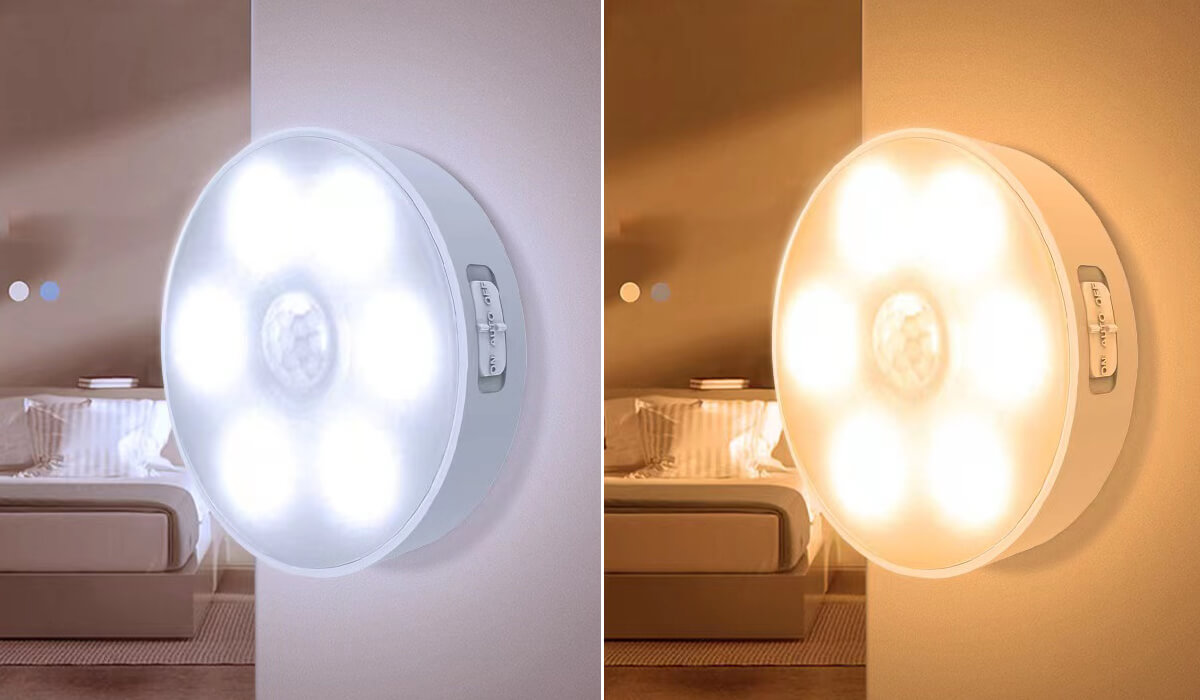
Ponadto, niektóre diody LED są zasilane bateryjnie. W rezultacie, można je zainstalować bez skomplikowanego okablowania i są wygodne dla najemców i projektów DIY.
Jednakże, skupiona wiązka może być również wadą. Zamiast tworzyć całkowicie równą warstwę światła, wielokrotne światła krążkowe mogą powodować powstawanie widocznych okręgów lub jasnych punktów.
Plusy Puck Lights
- Kompaktowa konstrukcja
- Łatwy w instalacji
- Dostępne są opcje LED zasilane bateryjnie
- Zapewnia skupione oświetlenie zadaniowe
- Wiele modeli można przyciemniać
- Ogólnie przystępne
- Nadaje się do małych pomieszczeń
Wady świateł Puck
- Potrafi tworzyć widoczne kręgi światła
- Może nie zapewniać całkowicie równomiernego oświetlenia
- Wersje ksenonowe i halogenowe mogą się nagrzewać
- W przypadku długich blatów może być potrzebnych wiele lamp
Najlepsze dla: Kupujący, którzy potrzebują skupionego oświetlenia lub prostej instalacji typu „zrób to sam”..
3. Oprawy fluorescencyjne
Idziemy dalej, Oprawy fluorescencyjne to kolejna tradycyjna opcja oświetlenia podszafkowego. Chociaż technologia LED stała się bardziej popularna, W niektórych kuchniach nadal używane są oprawy fluorescencyjne, biura, warsztaty, i przestrzenie komercyjne.
W nowoczesnych świetlówkowych oprawach podszafkowych powszechnie stosuje się mniejsze lampy T5 zamiast większych lamp T12, które można znaleźć w starszych systemach.
W porównaniu z oświetleniem ksenonowym i halogenowym, oprawy fluorescencyjne zazwyczaj wytwarzają mniej ciepła, zapewniając jednocześnie szerokie oświetlenie. Ponadto, wiele modeli można ze sobą łączyć.
To sprawia, że oprawy fluorescencyjne są przydatne w przypadku dłuższych blatów, gdzie kupujący chcą bardziej ciągłego oświetlenia niż kilku oddzielnych punktów.
Niemniej jednak, oświetlenie fluorescencyjne ma pewne ograniczenia. Oddawanie barw może nie zadowolić kupujących, którzy oczekują bardzo naturalnie wyglądających kolorów. Ponadto, nowoczesne oświetlenie LED może zapewnić korzyści w zakresie efektywności energetycznej, żywotność, i konserwacja.
Dlatego, oprawy fluorescencyjne mogą być nadal praktyczne w niektórych zastosowaniach, jednak kupujący powinni porównać swoje długoterminowe koszty operacyjne z alternatywami LED.
Zalety opraw fluorescencyjnych
- Zapewnia szerokie oświetlenie
- Może stworzyć stosunkowo równomierne oświetlenie blatu
- Można podłączyć wiele modeli
- Działa chłodniej niż oświetlenie ksenonowe i halogenowe
- Dostępne w wersji przewodowej i wtykowej
- Nadaje się do dłuższych blatów
Wady opraw fluorescencyjnych
- Oddawanie barw może być niższe niż w przypadku niektórych opcji LED
- Ogólnie mniej energooszczędne niż nowoczesne diody LED
- Niektóre oprawy mogą być stosunkowo nieporęczne
- Mogą być wymagane lampy zamienne
- Może oferować mniejszą wartość w dłuższej perspektywie niż oświetlenie LED
Najlepsze dla: Kupujący, którzy potrzebują szerokiego oświetlenia na większych powierzchniach roboczych.
4. Oprawy LED
Dla większości współczesnych nabywców, Oprawy LED to jeden z najbardziej praktycznych wyborów oświetlenia podszafkowego.
Oferują atrakcyjne połączenie efektywności energetycznej, jasność, długa żywotność, niska moc cieplna, i elastyczne opcje instalacji.
W odróżnieniu od tradycyjnych technologii oświetleniowych, Oprawy LED dostępne są w różnych poziomach jasności i temperaturze barwowej. Dlatego, kupujący mogą wybrać rozwiązanie oświetleniowe dopasowane zarówno do przestrzeni, jak i przeznaczenia.
Na przykład, ciepłe białe światło mogą stworzyć wygodną i zachęcającą atmosferę w kuchni. Tymczasem, neutralne białe lub chłodne białe światło może być bardziej odpowiedni do miejsc pracy, w których widoczność jest głównym priorytetem.
Kolejną ważną zaletą jest kontrola ciepła. Oprawy LED generalnie wytwarzają znacznie mniej ciepła niż oświetlenie ksenonowe i halogenowe. W rezultacie, są wygodniejsze w codziennym użytkowaniu.
Ponadto, można podłączyć wiele opraw LED i listew świetlnych LED. Dzięki temu są szczególnie przydatne w przypadku długich szafek i blatów, ponieważ mogą zapewnić bardziej równomierne oświetlenie.
Wreszcie, Technologia LED zapewnia długą żywotność. Więc, Z biegiem czasu kupujący mogą potrzebować mniejszej liczby wymian i konserwacji.
Zalety opraw LED
- Wysoka efektywność energetyczna
- Długa żywotność
- Niska moc cieplna
- Dostępne w różnych poziomach jasności
- Dostępny w wielu temperaturach barwowych
- Można podłączyć wiele modeli
- Dostępne są opcje przewodowe i wtykowe
- Dostępne są modele z funkcją ściemniania
- Trwała konstrukcja
- Dobra długoterminowa wartość
Wady opraw LED
- Wyższy koszt początkowy niż w przypadku niektórych tradycyjnych opcji
- Niektóre produkty wymagają osobnego zasilacza lub sterownika
- Oddawanie barw różni się w zależności od produktu
- Niektóre oprawy są bardziej widoczne niż taśmy LED
Najlepsze dla: Kupujący, którym zależy na energooszczędności, jasny, długotrwałe, i wszechstronne rozwiązanie oświetleniowe.
5. Taśmy LED
Wreszcie, Taśmy LED to doskonały wybór dla nabywców, którym zależy na dyskretnym i nowoczesnym oświetleniu podszafkowym.
W odróżnieniu od tradycyjnych opraw, Taśmy LED można zamontować pod szafkami tak, aby źródło światła było słabo widoczne. Po prawidłowym zainstalowaniu, widzisz głównie światło, a nie pojedyncze diody LED.
W rezultacie, Taśmy LED mogą stworzyć czysty i jednolity wygląd.
Ponadto, Taśmy LED są elastyczne i często można je przyciąć, aby dopasować je do różnych długości szafek. Dlatego, sprawdzają się szczególnie dobrze w przypadku długich ciągów szafek i nietypowych układów.
Kolejną zaletą jest ciągłe oświetlenie. Po prawidłowym zainstalowaniu, Taśmy LED mogą zmniejszyć widoczne szczeliny i ciemne plamy wzdłuż blatu.
Jednakże, Taśmy LED na ogół nie są tak mocne, jak dedykowane oprawy podszafkowe. Więc, mogą być lepsze do oświetlenia akcentującego lub umiarkowanego oświetlenia zadaniowego, niż do wymagającej pracy.
Ponadto, niektóre instalacje wymagają aluminiowego kanału, dyfuzor, lub osobny zasilacz. Chociaż te akcesoria mogą poprawić wygląd i wydajność oświetlenia, mogą również zwiększyć całkowity koszt instalacji.
Zalety taśm LED
- Czysty i dyskretny wygląd
- Może zapewnić ciągłe oświetlenie
- Pomaga zredukować ciemne plamy
- Elastyczna instalacja
- Wiele modeli umożliwia montaż metodą odklejenia i przyklejenia
- Dostępne są opcje wodoodporne
- Niskie zużycie energii
- Długa żywotność
- Ogólnie przystępne
Wady taśm LED
- Zwykle mniej jasne niż dedykowane oprawy
- Oddawanie barw różni się w zależności od produktu
- Niektóre instalacje wymagają aluminiowego kanału lub dyfuzora
- Może być wymagany oddzielny zasilacz
- Dodatkowe akcesoria mogą zwiększyć koszty instalacji
- Może nie zapewniać wystarczającej ilości światła do wymagających zadań
Najlepsze dla: Kupujący, którzy chcą dyskrecji, ciągły, oraz nowoczesne oświetlenie podszafkowe.
Który rodzaj oświetlenia podszafkowego jest najlepszy?
Nie ma jednego typu oświetlenie podszafkowe to jest najlepsze dla każdego zastosowania. Zamiast, właściwy wybór zależy od Twoich potrzeb oświetleniowych, budżet, wymagania instalacyjne, i jak często używasz świateł.
Jeśli dokładność kolorów jest Twoim głównym zmartwieniem, Oprawy ksenonowe mogą być atrakcyjne ze względu na doskonałe oddawanie barw. Jednakże, zużywają także więcej energii i wytwarzają więcej ciepła.
Jeśli potrzebujesz skupione oświetlenie, Światła krążkowe są praktyczną opcją. Są kompaktowe i łatwe w montażu, chociaż mogą tworzyć widoczne plamy światła.
Dla szerokie oświetlenie blatu, oprawy fluorescencyjne mogą nadal działać dobrze. Jednakże, ich zalety są na ogół mniej przekonujące w porównaniu z nowoczesnymi produktami LED.
Dla większości właścicieli domów, Oprawy LED zapewniają najlepszą ogólną równowagę jasności, efektywność energetyczna, żywotność, kontrola ciepła, i elastyczność.
Tymczasem, jeśli wygląd jest Twoim najwyższym priorytetem, Taśmy LED mogą zapewnić bardziej dyskretne i bezproblemowe rozwiązanie.
Porównanie oświetlenia szafki
| Typ | Efektywność energetyczna | Moc cieplna | Odwzorowanie kolorów | Instalacja | Najlepsze dla |
|---|---|---|---|---|---|
| Oprawy ksenonowe | Niski | Wysoki | Doskonały | Umiarkowany | Wysoka dokładność kolorów |
| Światła Pucka | Średnio-wysoki* | Niska–wysoka* | Różnie | Łatwy | Skoncentrowane oświetlenie |
| Oprawy fluorescencyjne | Średni | Niski | Dobry | Umiarkowany | Szerokie oświetlenie |
| Oprawy LED | Wysoki | Niski | Dobrze – znakomicie | Łatwe – umiarkowane | Codzienne oświetlenie zadaniowe |
| Taśmy LED | Wysoki | Niski | Dobrze – znakomicie | Łatwy | Dyskretne oświetlenie akcentujące |
*Wydajność zależy od tego, czy światło krążka wykorzystuje diody LED, ksenon, lub technologię halogenową.
Co należy wziąć pod uwagę przed zakupem oświetlenia podszafkowego?
Przed wyborem produktu, nie skupiaj się wyłącznie na cenie zakupu. Zamiast, zastanów się, jak oświetlenie będzie się zachowywać przez cały czas jego posiadania.
1. Jasność
Pierwszy, zastanów się, ile światła potrzebujesz. Jeśli regularnie używasz blatu do gotowania, przygotowanie jedzenia, lub szczegółowa praca, wybierz jaśniejsze rozwiązanie oświetleniowe.
Z drugiej strony, jeśli potrzebujesz głównie oświetlenia dekoracyjnego lub nastrojowego, Paski LED mogą być wystarczające.
2. Temperatura barwowa
Następny, weź pod uwagę temperaturę barwową. Ciepłe, białe oświetlenie może stworzyć wygodną i zachęcającą atmosferę, podczas gdy neutralne lub chłodne białe oświetlenie może zapewnić jaśniejszy i bardziej zorientowany na zadania wygląd.
3. Odwzorowanie kolorów
Ponadto, sprawdź CRI, lub Wskaźnik oddawania barw, zwłaszcza jeśli dokładne kolory są dla Ciebie ważne.
Wyższy CRI ogólnie oznacza, że obiekty wyglądają bardziej naturalnie w świetle. Dlatego, kuchnie, ekspozycje detaliczne, i miejsca pracy mogą zyskać na oświetleniu o wyższym współczynniku CRI.
4. Moc cieplna
Ponadto, zastanów się, jak długo światła będą działać każdego dnia.
Jeśli światła pozostaną włączone przez kilka godzin, Oświetlenie LED o niskiej emisji ciepła może być wygodniejszym i praktycznym wyborem niż oświetlenie ksenonowe lub halogenowe.
5. Instalacja
Wreszcie, zastanów się, w jaki sposób światła zostaną zainstalowane.
Modele z wtyczką i modele zasilane bateryjnie są zazwyczaj łatwiejsze do samodzielnego montażu. Dla kontrastu, systemy przewodowe mogą zapewnić czystszy i trwały wygląd, ale mogą wymagać prac elektrycznych.
Ostatnie przemyślenia
Wybór słuszności oświetlenie podszafkowe staje się znacznie łatwiejsze, gdy wiesz, czego szukać.
Pierwszy, określić, czy potrzebujesz oświetlenia zadaniowego, oświetlenie akcentujące, lub oba. Następnie, porównaj jasność, temperatura barwowa, CRI, zużycie energii, moc cieplna, metoda instalacji, kompatybilność ze ściemnianiem, i oczekiwaną długość życia.
Do większości nowoczesnych zastosowań, Oprawy LED to doskonały, uniwersalny wybór ponieważ zapewniają dużą efektywność energetyczną, długa żywotność, niskie ciepło, i elastyczne opcje oświetlenia.
Naraz, Taśmy LED są idealne, gdy zależy Ci na czystym i dyskretnym wyglądzie. Tymczasem, Światła krążkowe mogą dobrze działać w przypadku skupionego oświetlenia, podczas gdy oprawy ksenonowe i fluorescencyjne mogą nadal pasować do określonych zastosowań.
Ostatecznie, najlepsze oświetlenie podszafkowe to takie, które zapewnia odpowiednią ilość światła, odpowiada Twoim wymaganiom instalacyjnym, i zapewnia dobrą długoterminową wartość.
Często zadawane pytania dotyczące oświetlenia pod szafką
Jaki jest najlepszy rodzaj oświetlenia pod szafką?
Dla większości zastosowań, Oprawy LED to jeden z najlepszych rodzajów oświetlenia podszafkowego. Zapewniają wysoką efektywność energetyczną, długa żywotność, niska moc cieplna, oraz szeroki zakres opcji jasności i temperatury barwowej.
Czy taśmy LED nadają się do oświetlenia pod szafkami??
Tak. Taśmy LED to dobry wybór do dyskretnego i ciągłego oświetlenia pod szafkami. Jednakże, są na ogół słabsze niż dedykowane oprawy LED, więc mogą być lepsze do oświetlenia akcentującego lub umiarkowanego oświetlenia zadaniowego.
Czy lampy krążkowe są lepsze od taśm LED??
To zależy od Twoich potrzeb. Lampy krążkowe zapewniają bardziej skupione oświetlenie, podczas gdy taśmy LED generalnie tworzą bardziej ciągły i jednolity wygląd. Dlatego, wybierz reflektory krążkowe do skupionego oświetlenia zadaniowego i paski LED do dyskretnego oświetlenia, jednolite oświetlenie.
Jaka temperatura barwowa jest najlepsza dla oświetlenia pod szafką?
Najlepsza temperatura barwowa zależy od zastosowania. Ciepła biel jest często preferowany do wygodnego oświetlenia kuchni, chwila neutralna biel może zapewnić zrównoważony wygląd podczas codziennych zadań. Chłodniejsze światło może być odpowiednie w miejscach pracy, w których jest jaśniej, preferowane jest bardziej skoncentrowane środowisko.
Czy oświetlenie LED pod szafką zużywa dużo prądu??
NIE. Oświetlenie podszafkowe LED jest na ogół znacznie bardziej energooszczędne niż oświetlenie ksenonowe, fluorowiec, i tradycyjne oświetlenie fluorescencyjne. Dlatego, Diody LED mogą pomóc w zmniejszeniu zużycia energii elektrycznej, gdy światła są często używane.
Czy oświetlenie podszafkowe LED nagrzewa się??
Lampy LED wytwarzają ciepło, ale generalnie znacznie mniej niż oświetlenie ksenonowe i halogenowe. Właściwa instalacja i zarządzanie ciepłem są nadal ważne, szczególnie w przypadku opraw LED o dużej mocy.
Czy oświetlenie pod szafką musi mieć możliwość przyciemniania?
Ściemnianie nie jest konieczne, ale może zapewnić większą elastyczność. Na przykład, możesz używać jaśniejszego oświetlenia podczas gotowania i obniżyć jasność, jeśli chcesz mieć łagodniejsze oświetlenie otoczenia.
Przed zakupem, upewnij się, że Oprawa LED, kierowca, i ściemniacz są kompatybilne.
Można zainstalować oświetlenie podszafkowe bez okablowania?
Tak. Lampy krążkowe zasilane bateryjnie i systemy LED z wtyczką można często instalować bez okablowania. Dlatego, mogą być wygodne dla najemców i projektów DIY.
Jednakże, systemy przewodowe mogą zapewnić czystszą i trwalszą instalację.
Jak długo działają oświetlenie LED pod szafką??
Oświetlenie LED na ogół oferuje znacznie dłuższą żywotność niż tradycyjne technologie oświetleniowe. Jednakże, Rzeczywista żywotność zależy od projektu produktu, temperatura robocza, zasilanie, i użytkowanie.
Dlatego, przed zakupem zawsze sprawdź żywotność znamionową producenta.
Czy oświetlenie pod szafkami powinno być skierowane w stronę blatu??
Ogólnie, Tak. Oświetlenie podszafkowe powinno być umieszczone tak, aby oświetlało bezpośrednio blat lub powierzchnię roboczą.
Umieszczenie światła w kierunku przedniej części szafki może również pomóc w zmniejszeniu cieni rzucanych przez ciało podczas pracy. Jednakże, idealna pozycja zależy od projektu szafki i rodzaju wybranego oświetlenia.
Czy do oświetlenia pod szafkami lepsze są diody LED czy świetlówki??
Do większości nowoczesnych zastosowań mieszkaniowych, Oświetlenie LED jest ogólnie bardziej praktycznym wyborem. Diody LED zazwyczaj zapewniają lepszą efektywność energetyczną, dłuższą żywotność, niższa moc cieplna, i bardziej elastyczne opcje temperatury barwowej.
Oprawy fluorescencyjne mogą być nadal przydatne, gdy potrzebne jest szerokie oświetlenie, jednak kupujący powinni porównać długoterminowe koszty eksploatacji i konserwacji przed dokonaniem wyboru między nimi.
Jaka jest różnica między oświetleniem zadaniowym a oświetleniem akcentującym?
Oświetlenie zadaniowe został zaprojektowany tak, aby zapewnić wystarczające oświetlenie do czynności takich jak gotowanie, przygotowanie jedzenia, czytanie, lub pracuje.
Oświetlenie akcentujące, z drugiej strony, służy głównie do poprawy wyglądu lub atmosfery przestrzeni.66666
Dlatego, jeśli Twoim głównym celem jest widoczność na blacie, wybierz jaśniejsze rozwiązanie do oświetlenia zadaniowego. Jeśli zależy Ci głównie na oświetleniu dekoracyjnym, Lepiej sprawdzą się taśmy LED.
Do oświetlenia szafki z czujnikiem ruchu, proszę sprawdź tutaj.