 English
 العربية
 Français
 Deutsch
 Italiano
 Polski
 Português
 Русский
 Español
 Українська


Le lampadine a LED sono diventate la scelta predefinita in ambito residenziale, ospitalità, e progetti commerciali in tutto il Regno Unito, Unione Europea, Australia, e Nuova Zelanda. Ciò è dovuto principalmente al fatto che i LED sono efficienti dal punto di vista energetico, di lunga durata, e in grado di produrre un'illuminazione ambientale di alta qualità.
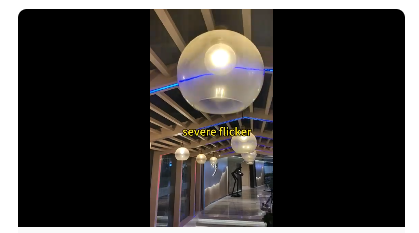
Tuttavia, nonostante questi vantaggi, un problema appare ancora abbastanza spesso nelle installazioni del mondo reale: sfarfallio visibile.
In pratica, questo può apparire come un leggero luccichio, pulsazione intermittente, o luminosità instabile. A prima vista, può sembrare minore, ma nel tempo, può compromettere seriamente l'esperienza dell'utente. Per esempio, potrebbe rendere gli interni meno confortevoli, distrarre gli ospiti negli spazi di ospitalità, E, in alcuni casi, contribuiscono anche all'affaticamento degli occhi.
Il punto importante è questo: Lo sfarfallio del LED non è casuale. Nella maggior parte dei casi, ha una chiara causa tecnica e una volta che la capisci, di solito può essere risolto abbastanza facilmente.
Fare clic qui per le lampadine con sfarfallio visibile
Principali cause dello sfarfallio delle lampadine a LED
Tanto per cominciare, è utile capire cosa causa tipicamente lo sfarfallio dei LED. Nella maggior parte dei casi, il problema deriva da una mancata corrispondenza tra i componenti o da condizioni elettriche instabili.
1) Interruttori dimmer incompatibili
Prima di tutto, all'avanguardia più vecchia (triac) i dimmer sono stati progettati per carichi alogeni. Di conseguenza, quando vengono utilizzati con LED a basso wattaggio, si verifica spesso uno sfarfallio, soprattutto a bassi livelli di oscuramento. IL L’Unione Europea sta gradualmente eliminando i prodotti di illuminazione inefficienti ai sensi della Direttiva Ecodesign e del Regolamento UE 2019/2015/UE. Quindi è il momento di sostituire i tuoi dimmer vecchio stile, poiché le lampadine alogene sono state gradualmente eliminate dal mercato.
2) Driver LED di bassa qualità
Inoltre, I prodotti LED economici spesso utilizzano driver semplificati che non sono in grado di regolare la corrente in modo fluido, che porta ad un'emissione luminosa instabile.
3) Disadattamento del trasformatore nei sistemi a bassa tensione
Allo stesso modo, 12I downlight V MR16 che utilizzano trasformatori elettronici più vecchi possono sfarfallare perché il carico del LED è troppo basso per il campo operativo del trasformatore.
4) Cablaggio allentato o collegamenti scadenti
Un altro motivo comune è lo scarso contatto elettrico. Col tempo, terminali allentati o prese usurate possono causare sfarfallio intermittente, in particolare quando l'apparecchio viene spostato o vibrato.
5) Fluttuazioni di tensione
Inoltre, apparecchi ad alta potenza come condizionatori o frigoriferi possono ridurre temporaneamente la tensione sui circuiti condivisi, che porta allo sfarfallio visibile del LED.
6) Interferenza nel controllo delle onde (Solo AU/NZ)
In Australia e Nuova Zelanda, le società di servizi pubblici a volte inseriscono segnali di controllo nella rete. Purtroppo, alcuni driver LED interpretano questi segnali come rumore, con conseguente sfarfallio periodico.
7) Sfarfallio della corrente fantasma o dello stato off
In alcuni casi, una piccola corrente residua proveniente da un interruttore intelligente o da un interruttore illuminato può far accendere o pulsare i LED anche quando sono spenti.
8) Surriscaldamento dei driver LED
Inoltre, una scarsa ventilazione negli spazi del soffitto può causare il surriscaldamento dei conducenti. Quando questo accade, i circuiti di protezione possono attivare un comportamento di sfarfallio.
9) Degrado dei componenti a fine vita
Col tempo, i componenti interni come i condensatori si deteriorano, che riduce la stabilità del conducente e porta allo sfarfallio.
10) Miscelazione di componenti di illuminazione incompatibili
Finalmente, l'utilizzo di marche o tipi di driver diversi sullo stesso circuito può creare risposte elettriche incoerenti, che spesso provoca uno sfarfallio visibile.
Come diagnosticare lo sfarfallio delle lampadine a LED
Una volta visualizzato uno sfarfallio, il passo successivo è identificare la fonte. Fortunatamente, ci sono diversi semplici controlli che puoi eseguire.
1) Prova a piena luminosità
Per cominciare, impostare il dimmer al massimo. Se lo sfarfallio scompare, il problema è molto probabilmente legato al dimmer.
2) Identificare il tipo di dimmer
Prossimo, controllare le specifiche del dimmer. Se è etichettato solo come all'avanguardia o compatibile con alogeni, probabilmente non è adatto per i LED.
3) Scambia la lampadina
Dopo di che, prova a spostare la lampadina su un altro apparecchio. Se lo sfarfallio segue la lampadina, il LED è il problema; se non, il circuito è responsabile.
4) Osserva gli schemi temporali
In alcuni casi, lo sfarfallio appare ogni giorno alla stessa ora. Se questo accade, soprattutto in AU/NZ, l'interferenza del controllo di ripple è una forte possibilità.
5) Controllare le connessioni fisiche
Inoltre, toccare o spostare delicatamente l'apparecchio può rivelare problemi di cablaggio allentato se lo sfarfallio risponde al movimento.
6) Esaminare il carico del circuito
Finalmente, assicurarsi che il carico totale del LED corrisponda ai requisiti del dimmer o del trasformatore. Il sottocarico o il sovraccarico possono entrambi causare instabilità.
Come fermare lo sfarfallio delle lampadine a LED
Una volta identificata la causa principale, la soluzione è solitamente semplice.
1) Passa ai dimmer compatibili con LED
Innanzitutto, sostituire i vecchi dimmer con versioni LED trailing-edge. Questi sono progettati specificamente per i moderni carichi LED e forniscono un controllo più fluido.
2) Utilizza lampadine LED dimmerabili di alta qualità
Inoltre, scegli lampadine LED progettate con driver a basso sfarfallio. Ciò migliora significativamente la stabilità in diversi ambienti.
Forniamo anche lampadine LED di alta qualità senza sfarfallio, nessuna ombra,1~100% dimmerabile sul nostro sito web. Per favore controlla il Bulbi di filamento a LED per ulteriori informazioni.
3) Sostituisci i trasformatori obsoleti
Per sistemi MR16, Spesso è meglio sostituire i vecchi trasformatori elettronici con driver LED o passare a downlight LED integrati a tensione di rete.
4) Riparare cablaggi e collegamenti
Inoltre, chiedere a un elettricista autorizzato di ispezionare e serrare tutti i collegamenti, soprattutto negli impianti più vecchi.
5) Installare filtri di controllo dell'ondulazione (Solo AU/NZ)
Ove applicabile, un filtro ondulato può bloccare i segnali di utilità che interferiscono con i driver LED.
6) Standardizzare i componenti di illuminazione
Finalmente, provare a utilizzare marche LED coerenti e driver compatibili all'interno dello stesso circuito per garantire prestazioni uniformi.
Considerazioni sulla sicurezza
Mentre molti problemi di sfarfallio sono semplici da risolvere, la sicurezza elettrica dovrebbe sempre avere la priorità.
- Non tentare di riparare da soli il cablaggio fisso. Utilizzare sempre un elettricista autorizzato.
- Se lo sfarfallio è accompagnato da un ronzio, odore di bruciato, o calore, spegnere immediatamente l'alimentazione.
- Evitare di sovraccaricare i dimmer o di mescolare componenti elettrici incompatibili, poiché ciò potrebbe creare rischi per la sicurezza.
Conclusione
In sintesi, Lo sfarfallio dei LED è un problema comune ma altamente risolvibile nei moderni sistemi di illuminazione. La maggior parte dei problemi non sono causati dal LED stesso, ma piuttosto da dimmer non corrispondenti, trasformatori obsoleti, problemi di cablaggio, o interferenze elettriche.
Perciò, abbinando attentamente i componenti, aggiornamento a controlli compatibili con LED, e garantire una corretta installazione, lo sfarfallio può solitamente essere eliminato.
In definitiva, quando tutto è configurato correttamente, L'illuminazione a LED offre ciò per cui è stata progettata: stabile, efficiente, e un'illuminazione confortevole senza distrazioni visive.
Le lampadine LED che dovresti acquistare sono come quelle nel video.
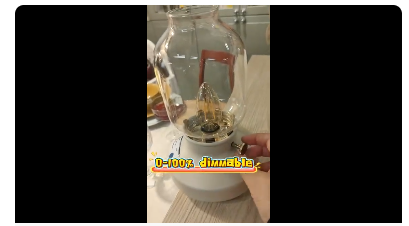
Per lampadine senza sfarfallio, per favore controlla il nostro Collezione di lampadine Edison.