 English
 العربية
 Français
 Deutsch
 Italiano
 Polski
 Português
 Русский
 Español
 Українська


Cos'è un lampadario? Una guida completa al suo romanticismo e al suo valore pratico
Quando entri in uno showroom, un albergo di lusso, o una casa di ispirazione vintage, un apparecchio di illuminazione spesso cattura immediatamente l'attenzione: è decorativo, Plafoniera multibraccio sospesa al centro della stanza. Questo apparecchio è noto come lampadario. Eppure sono ancora in molti a chiederselo: Cos'è esattamente un lampadario? In cosa differisce da una lampada a sospensione standard? E perché è rimasta per secoli un'icona del design senza tempo?
In questa guida, esamineremo la definizione, origini, caratteristiche principali, categorie di stile, e applicazioni pratiche dei lampadari. Passo dopo passo, vedrai perché questo apparecchio classico continua a modellare l'atmosfera interna e la gerarchia visiva.
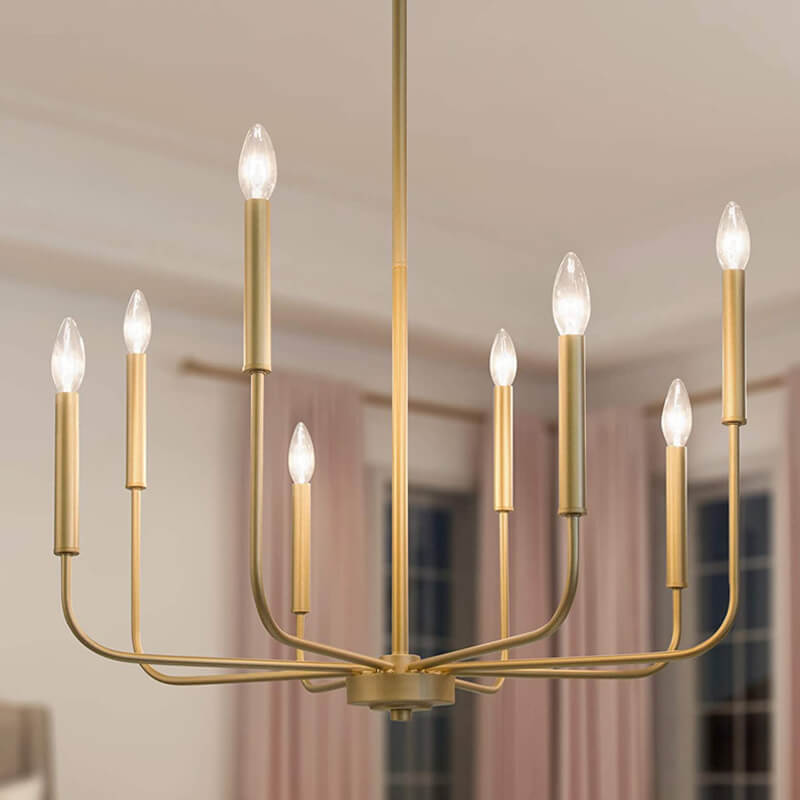
Cos'è un lampadario? La definizione fondamentale spiegata
Tanto per cominciare, un lampadario è una lampada a soffitto sospesa costruita attorno a una struttura centrale con più bracci estensibili. Ogni braccio sostiene la propria fonte di luce: storicamente candele, e oggi lampadine o LED.
In altre parole, la caratteristica distintiva di un lampadario è la sua multibraccio, disposizione multi-luce. A differenza delle lampade a sospensione a testa singola che enfatizzano la semplicità, i lampadari evidenziano la simmetria, stratificazione, e presenza decorativa. Di conseguenza, funzionano non solo come illuminazione primaria ma anche come elemento focale di design.
Tuttavia, vale la pena notare che non tutte le plafoniere ramificate si qualificano come un vero lampadario. I design autentici dei lampadari di solito mostrano una struttura intenzionale, equilibrio visivo, e scopo decorativo piuttosto che semplice ramificazione funzionale.
L'origine dei lampadari: Dalla funzione al lusso
To fully understand the chandelier’s appeal, it helps to look at its historical evolution.
Originally, chandelier prototypes appeared in medieval Europe. At that time, people needed broader illumination in large halls and churches. Craftsmen therefore mounted multiple candles on branched metal frames and suspended them overhead. This design solved practical lighting limitations first and foremost.
As society entered the Renaissance, tastes shifted toward refinement and display. Di conseguenza, artisans began crafting chandeliers from bronze, crystal, and glass while adding ornamental carvings and detailing. Chandeliers then evolved from lighting tools into symbols of wealth and prestige.
Later, the Industrial Revolution introduced electricity and new manufacturing methods. Electric bulbs replaced candles, while iron, glass, e possibilità di design ampliate in acrilico. Da quel momento in poi, Gli stili dei lampadari si diversificarono, passando gradualmente da forme classiche elaborate a interpretazioni moderne e minimaliste, e alla fine divennero accessibili alle case di tutti i giorni.
Caratteristiche principali dei lampadari: Bellezza e prestazioni combinate
A prima vista, i lampadari possono apparire puramente decorativi. Tuttavia, i design moderni offrono sia impatto visivo che valore di illuminazione funzionale.
Forte focus visivo
Prima di tutto, i lampadari attirano naturalmente l'attenzione. Sia che tu scelga il cristallo, ottone, o disegni di rami di ferro, la forma scultorea stabilisce un punto focale immediato. Perciò, i designer utilizzano spesso i lampadari per ancorare soggiorni e zone pranzo.
Illuminazione ampia ed equilibrata
Inoltre, chandeliers distribute light more evenly than single-source fixtures because multiple bulbs project light from different angles. Inoltre, crystal and glass elements refract light and reduce harsh glare. Insieme, these factors create softer ambient illumination.
Wide Style Compatibility
Oggi, chandeliers adapt to many interior styles. You can find options for modern, Nordic, industriale, classic, and luxury spaces. Thanks to evolving materials and shapes, chandeliers no longer belong only to traditional European interiors.
Rich Material Expression
Inoltre, manufacturers produce chandeliers in crystal, glass, metal, wood, and acrylic. Each material communicates a distinct mood — crystal feels brilliant, metal feels structured, wood feels warm, and glass feels light. This variety allows more precise design matching.
Common Chandelier Types: How to Choose with Confidence
Puoi valutare i lampadari di materiale E modulo. Comprendere entrambe le dimensioni semplifica la selezione del prodotto.
Per materiale
I lampadari di cristallo creano uno scintillio drammatico e si adattano agli interni di lusso.
I lampadari in metallo offrono una struttura audace e supportano gli stili industriali o rurali.
I lampadari in vetro sono puliti e moderni, ideale per spazi minimalisti.
I lampadari in legno aggiungono calore e supportano temi naturali o nordici.
Per modulo
Nel frattempo, conta anche la forma. I lampadari europei decorati presentano bracci spessi e dettagli pesanti, che funziona meglio in stanze grandi. Al contrario, I lampadari a bracci minimalisti utilizzano meno bracci e linee più pulite per le case moderne. I lampadari ad anello distribuiscono la luce in modo uniforme sopra i tavoli rotondi, mentre le forme ispirate agli alberi creano un flusso visivo organico.
Dove i lampadari funzionano meglio: Guida pratica al posizionamento
Sebbene i lampadari suggeriscano il lusso, funzionano bene in molte impostazioni del mondo reale se ridimensionati correttamente.
Soggiorno
Soprattutto, i lampadari spesso fungono da ancoraggio visivo del soggiorno. Gli ampi spazi beneficiano di infissi di tendenza, mentre le stanze compatte dovrebbero scegliere design semplificati per l'equilibrio.
Sala da pranzo
Allo stesso modo, i lampadari si comportano eccezionalmente bene sopra i tavoli da pranzo. Creano un'illuminazione focalizzata ma confortevole. Tipicamente, i tavoli rotondi si abbinano meglio ai lampadari ad anello, mentre i tavoli rettangolari si abbinano a disposizioni di rami lineari.
Camera da letto
D'altra parte, le camere da letto richiedono una presenza più morbida. Lampadari più piccoli con controllo dell'attenuazione creano un'atmosfera senza sopraffare la stanza.
Spazi commerciali
Oltre l'uso residenziale, alberghi, ristoranti, e le gallerie utilizzano i lampadari per comunicare il tono del marchio e la qualità spaziale. Lo stile dell'apparecchio influenza direttamente l'atmosfera percepita.
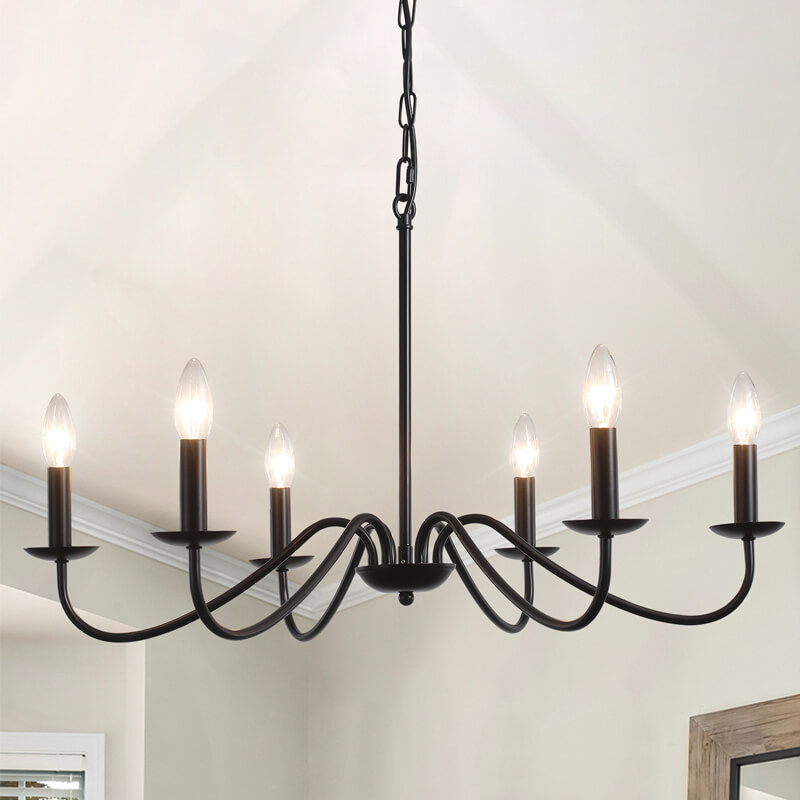
Come scegliere il lampadario giusto: Consigli pratici per l'acquisto
Prima dell'acquisto, considerare diversi fattori chiave.
Primo, abbinare le dimensioni del lampadario all'altezza del soffitto per evitare la compressione visiva.
Secondo, ridimensionare il diametro in base alle dimensioni della stanza per ottenere le proporzioni corrette.
Terzo, mantenere la coerenza dello stile con il tema degli interni.
Finalmente, valutare le esigenze di pulizia e manutenzione, in particolare per i design in cristallo e metallo.
Considerazioni finali: Un lampadario è più di una lampada
In definitiva, un lampadario rappresenta più della sola illuminazione. Dà forma all'atmosfera, esprime gusto, e aggiunge cerimonia alla vita di tutti i giorni.
Quando si sceglie il lampadario giusto, elevi il carattere spaziale e crei calore emotivo. Che il tuo stile sia classico o contemporaneo, un lampadario ben selezionato porta romanticismo e praticità nel tuo ambiente.
Se sono necessari lampadari, per favore controlla la nostra collezione di lampadari. Cdiamine qui!