 English
 العربية
 Français
 Deutsch
 Italiano
 Polski
 Português
 Русский
 Español
 Українська


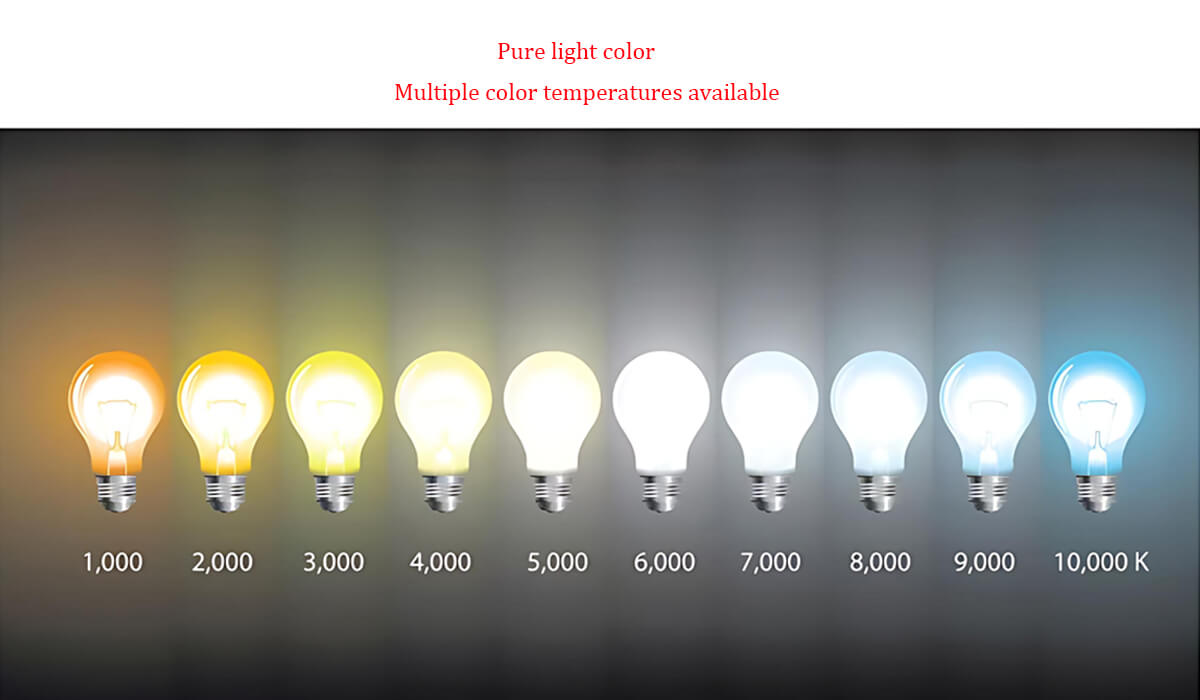
Come scegliere la giusta temperatura di colore per le tue lampadine o apparecchi
1. Why Do Light Bulbs Have Different Color Temperatures?
The reason light bulbs come in different color temperatures lies in both lighting technology and real-life usage needs. From a technical perspective, color temperature is measured in Kelvin (K) and reflects the spectral characteristics of a light source. By adjusting materials, phosphors, and electrical current, manufacturers can control the balance of red, yellow, and blue light, resulting in warm, neutro, or cool tones.
From a practical standpoint, different spaces require different lighting effects. Homes often need warm, relaxing light to create comfort, while offices and workspaces require brighter, cooler light to support focus and productivity. Public and functional areas demand balanced illumination for clarity and safety. Di conseguenza, manufacturers design a full range of light bulb colors to meet diverse needs—from cozy residential settings to high-efficiency work environments.
2. Types of Color Temperature and Their Best Applications
Different color temperatures create very different atmospheres and serve distinct purposes. The table below clearly compares common options to help you choose the right one:
| Color Temperature Type | Kelvin Range (K) | Light Characteristics | Le migliori applicazioni |
|---|---|---|---|
| Bianco caldo / Soft White | 2700–3000K | Orange-yellow tone, soft and cozy, non-glaring | Camere da letto, salotti, zone pranzo, corridoi, relaxation zones |
| Neutral White | 3500–4500K | Balanced and natural, clear without harshness | Cucine, corridoi, balconi, home offices, shared workspaces |
| Luce del giorno / Bianco freddo | ≥5000K | Bluish-white tone, bright and energizing, high visibility | Uffici, monolocali, bagni, vanities, garages, workshops |
Many consumers often compare warm white vs soft white. In practice, these two terms usually refer to very similar light tones within the 2700–3000K range, both designed to create warmth and comfort.

3. Why Color Temperature Matters in Light Bulbs and Fixtures
Color temperature is not just a minor specification—it directly affects functionality, comfort, and visual perception. Primo, it shapes the atmosphere of a space. Warm white lighting helps you relax and unwind in bedrooms, while cool white lighting keeps you alert in work areas. Choosing the wrong color temperature can disrupt a space’s purpose—for example, cool lighting in a bedroom may make it hard to fall asleep.
Secondo, color temperature influences visual comfort and color accuracy. Neutral white lighting offers more accurate color rendering for furniture and décor, while reducing eye strain. Prolonged exposure to unsuitable lighting may lead to fatigue, headaches, or reduced visual comfort.
Finalmente, color temperature enhances interior design. Warm tones complement traditional, rustic, or classic interiors, while neutral or cooler tones align well with modern, minimalist, or industrial styles. A thoughtful balance of lighting temperature elevates the overall look and feel of your space.
4. Choosing Adjustable Color Temperature Light Bulbs
To accommodate changing needs and moods, adjustable color temperature lighting has become increasingly popular. There are two main options available:
Option 1: Fixed Color Temperature Bulbs
You can purchase the same bulb model in different versions—warm white (2700–3000K), bianco neutro (3500–4500K), or daylight (≥5000K)—and install them where needed. This option is cost-effective, easy to use, and ideal for spaces with consistent lighting requirements.
Option 2: Integrated Three-Color Temperature Bulbs
These bulbs combine multiple color temperatures in one unit and work with a compatible color-temperature dimmer. With a simple switch, you can move from daylight in the morning, to neutral white for work, and warm white at night—without changing bulbs. This flexible solution is ideal for multi-purpose spaces such as living rooms and study areas.
5. Balancing Ambient Lighting and Main Lighting for Interior Design
A well-designed lighting plan balances main lighting and ambient (accent) lighting. Main lighting provides overall illumination and should match the room’s primary function. Living rooms and bedrooms work well with warm or neutral white, while kitchens and offices benefit from neutral or daylight tones.
Illuminazione ambientale, such as table lamps, luci da parete, or accent spotlights, usually uses warmer tones to create depth and comfort. Per esempio, a living room may use neutral white ceiling lighting combined with warm white floor lamps for a layered, inviting effect.
Color temperature should also match your interior style. Traditional and classic interiors favor warmer lighting, while modern and Scandinavian designs often pair neutral white main lighting with subtle warm or cool accents. Room size and natural light matter too—smaller or darker spaces often feel more open with slightly higher color temperatures.
6. Frequently Asked Questions About Color Temperature
Q1: Does a higher color temperature mean brighter light?
NO. Color temperature and brightness are different. Brightness depends on lumens and wattage, not color temperature. Two bulbs with the same lumens can appear equally bright even if one is warm white and the other is daylight.
Q2: Do different skin tones suit different light bulb colors?
SÌ. Warm and neutral tones (3000–4000K) generally flatter yellow or warm skin tones. Fair skin works well across a wider range, while medium or tan skin often looks best under neutral white lighting.
Q3: Do adjustable color temperature bulbs require special dimmers?
SÌ. You must use a compatible color-temperature dimmer. Standard dimmers control brightness only and may cause malfunction or damage.
Q4: What is the best choice for a living room used for both relaxing and entertaining?
Adjustable lighting or layered lighting works best. Use neutral white for general lighting and warm white accent lights for a cozy atmosphere.
Q5: Is working long-term under cool white light harmful to the eyes?
Not if brightness is appropriate and breaks are taken regularly. Tuttavia, excessively high color temperatures (above 6500K) and over-bright lighting may cause eye strain. Around 5000K is generally recommended for work environments.
If you’re looking for flexible lighting solutions tailored to your space, explore our adjustable color temperature lighting products to find the ideal balance between comfort and functionality. Cdiamine qui!