 English
 العربية
 Français
 Deutsch
 Italiano
 Polski
 Português
 Русский
 Español
 Українська


Le luci a LED per interni sono dannose per i tuoi occhi??
Introduzione
L’illuminazione a LED è diventata la scelta standard per le case moderne, uffici, alberghi, e spazi commerciali. Grazie a la loro eccezionale efficienza energetica e la lunga durata, Negli ultimi anni le lampadine a LED hanno ampiamente sostituito le tradizionali luci a incandescenza e CFL.
Tuttavia, molti proprietari di case e acquirenti commerciali si pongono ancora la stessa domanda:
Le luci a LED per interni fanno male agli occhi?
La buona notizia è questa la risposta è generalmente NO. Le luci LED per interni di alta qualità non sono dannose per gli occhi se progettate e utilizzate correttamente in condizioni normali. Invece, la maggior parte dei disagi legati all’illuminazione deriva da lampadine LED di scarsa qualità, luminosità eccessiva, abbagliamento, sfarfallio, o una progettazione illuminotecnica errata, non la tecnologia LED stessa.
In questa guida, separeremo i miti dai fatti, spiegare come l'illuminazione a LED influisce sulla tua vista, e aiutarti a scegliere lampadine LED che non danneggiano la vista per la tua casa o azienda.
Perché le persone pensano che le luci a LED facciano male agli occhi??
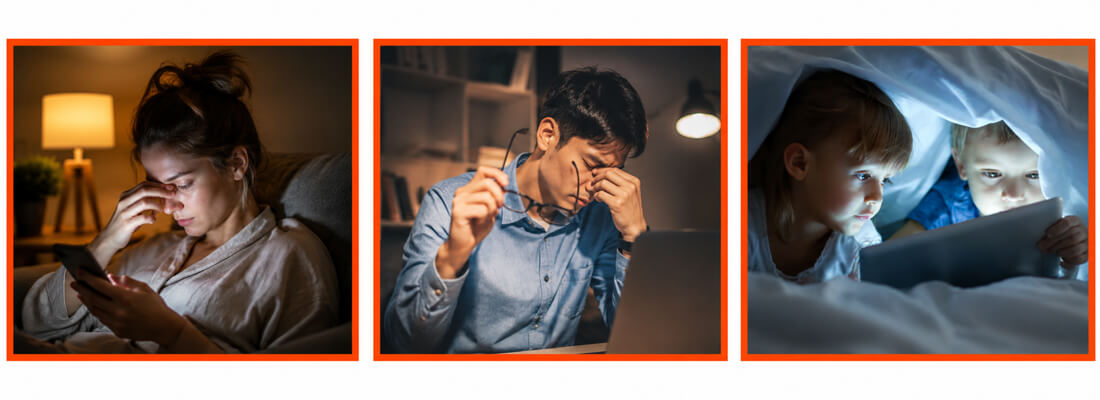
Poiché negli ultimi dieci anni sempre più famiglie sono passate dalle lampadine a incandescenza ai LED, alcuni utenti hanno iniziato a manifestare sintomi come affaticamento degli occhi, mal di testa, o disagio visivo. Di conseguenza, molte persone presumevano che le luci a LED danneggiassero la vista.
In realtà, questi sintomi sono solitamente causati da uno o più dei seguenti fattori:
- Lampadine LED di scarsa qualità
- Luminosità eccessiva
- Bagliore duro
- Luce tremolante
- Temperatura del colore errata
- Lunghe ore di esposizione sullo schermo digitale
In altre parole, il problema è solitamente la qualità dell'ambiente di illuminazione piuttosto che la tecnologia LED stessa.
Perciò, scegliere luci LED per interni ben progettate è molto più importante che evitare del tutto i LED.
Le luci a LED sono effettivamente pericolose per i tuoi occhi?
Fortunatamente, le attuali prove scientifiche indicano che la normale illuminazione a LED per interni lo fa non danneggiare gli occhi sani in normali condizioni domestiche o di lavoro.
La maggior parte dei professionisti dell'ottica concorda sul fatto che le lampadine LED certificate sono sicure quando soddisfano gli standard di sicurezza riconosciuti.
Invece di preoccuparsi dei LED stessi, gli acquirenti dovrebbero prestare attenzione alla qualità dell'illuminazione, compreso:
- Emissione luminosa stabile
- Prestazioni senza sfarfallio
- Basso abbagliamento
- Luminosità adeguata
- Temperatura di colore adatta
- Chip LED e driver di alta qualità
In definitiva, questi fattori influiscono sul comfort visivo molto più della stessa illuminotecnica.
Comprendere la luce blu nelle lampadine a LED
Una delle maggiori preoccupazioni relative alle luci a LED per interni è la luce blu.
Come la luce solare naturale, la luce blu viene emessa anche da molti dispositivi di uso quotidiano, compreso:
- Smartphone
- Compresse
- Monitor di computer
- Televisori
- Illuminazione a LED
Perché i LED a luce bianca fredda contengono una percentuale maggiore di lunghezze d'onda blu rispetto ai LED a luce bianca calda, molti consumatori temono che possano danneggiare i loro occhi.
Fortunatamente, la quantità di luce blu prodotta dalle lampadine a LED standard per interni è generalmente molto inferiore all'esposizione che le persone ricevono dalla luce solare o dalle ore trascorse davanti agli schermi digitali.
Perciò, per la maggior parte delle persone, L'illuminazione a LED per interni non espone gli occhi a livelli dannosi di luce blu durante il normale utilizzo quotidiano.
Le luci a LED possono causare affaticamento agli occhi??
Sebbene i LED stessi raramente danneggino i tuoi occhi, possono contribuire all'affaticamento degli occhi in determinate condizioni.
1. Luminosità eccessiva
Prima di tutto, molti proprietari di case installano lampadine molto più luminose del necessario.
Di conseguenza, gli occhi si adattano costantemente alla luce eccessiva, portando alla fatica nel tempo.
Invece, seleziona lampadine LED con flusso luminoso adatto alle dimensioni della stanza e all'uso previsto.
2. Abbagliamento
Un'altra causa comune del disagio oculare è l'abbagliamento.
Le lampadine a LED nude o gli apparecchi senza diffusori possono produrre effetti fastidiosi, luce diretta, soprattutto nelle cucine, bagni, uffici, e spazi commerciali.
Per esempio, utilizzando lampadine smerigliate, paralumi, o apparecchi diffusi aiutano a creare un'illuminazione più morbida riducendo significativamente l'affaticamento degli occhi.
3. LED tremolanti
Inoltre, alcune lampadine LED a basso costo utilizzano driver di scarsa qualità che creano sfarfallio invisibile.
Sebbene molte persone non possano vedere consapevolmente lo sfarfallio, i loro occhi e il cervello continuano a rispondere, che potrebbe comportare:
- Mal di testa
- Affaticamento degli occhi
- Difficoltà di concentrazione
Perciò, investire in lampadine LED senza sfarfallio è uno dei modi più semplici per migliorare il comfort di illuminazione degli interni.
4. Temperatura colore errata
Oltre alla luminosità, anche la temperatura del colore ha un impatto significativo sul comfort visivo.
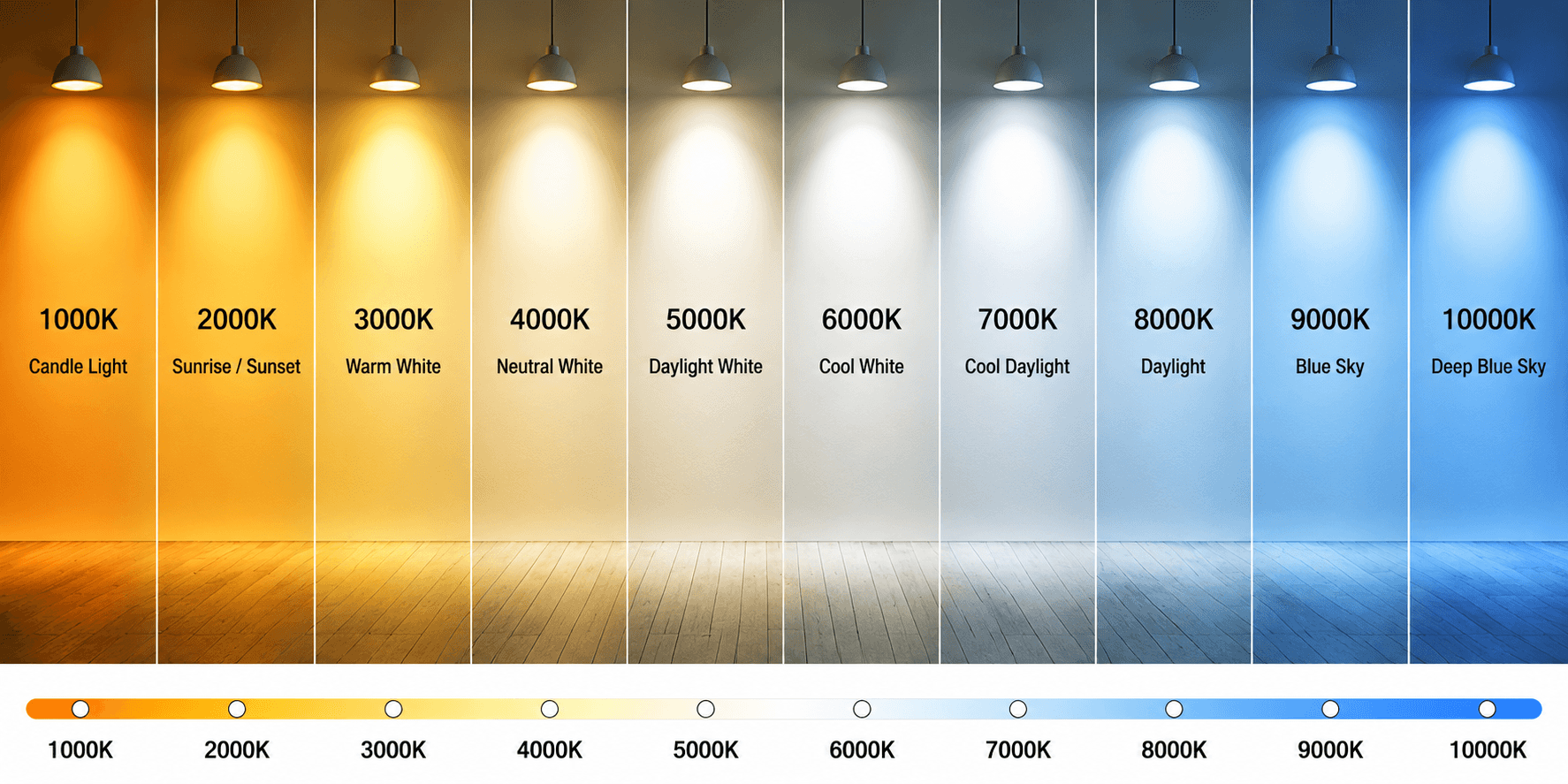
| Temperatura del colore | Aspetto | Ideale per |
|---|---|---|
| 2700K | Bianco caldo | Camere da letto, Soggiorni |
| 3000K | Bianco caldo morbido | Sale da pranzo, Alberghi |
| 4000K | Bianco neutro | Cucine, Uffici |
| 5000K–6500K | Luce del giorno fredda | Garage, Workshop |
In generale, lampadine LED bianche calde in mezzo 2700K e 3000K fornire l'illuminazione più confortevole per rilassanti spazi interni.
Nel frattempo, un'illuminazione più fredda è più adatta ad ambienti orientati alle attività in cui è richiesta una maggiore visibilità.
Le luci a LED influiscono sul sonno??
Mentre le luci a LED sono sicure per i tuoi occhi, possono influenzare il ciclo del sonno se usati in modo improprio.
Luminoso, la luce ricca di blu la sera può ridurre la produzione di melatonina, rendendo più difficile addormentarsi.
Tuttavia, questo effetto non è esclusivo dell'illuminazione a LED.
Infatti, smartphone, compresse, computer portatili, e i monitor dei computer spesso emettono molta più luce blu rispetto alle lampadine LED per interni.
Per ridurre al minimo l'impatto, considerare quanto segue:
- Usa lampadine LED a luce bianca calda dopo il tramonto.
- Di sera abbassa l'illuminazione interna.
- Limita il tempo trascorso davanti allo schermo prima di andare a dormire.
- Scegli lampadine LED intelligenti con temperature di colore regolabili.
Di conseguenza, creerai un ambiente notturno più rilassante.
I LED a luce bianca calda sono migliori per i tuoi occhi??
Per la maggior parte degli spazi interni, la risposta è sì.
L'illuminazione a LED bianca calda produce un'illuminazione più morbida con un abbagliamento meno percepito, rendendolo ideale per:
- Camere da letto
- Soggiorni
- Alberghi
- Ristoranti
- Caffè
- Aree di lettura
D'altra parte, l’illuminazione bianca fredda rimane una scelta eccellente per gli uffici, cucine, officine, e negozi al dettaglio dove visibilità e concentrazione sono priorità.
In definitiva, la scelta della giusta temperatura colore dipende da come verrà utilizzata la stanza.
Come scegliere le luci LED per interni che non danneggiano la vista
Se stai acquistando illuminazione a LED per interni per la tua casa o azienda, considerare i seguenti fattori.
Scegliere Lampadine LED senza sfarfallio
Innanzitutto, cerca luci LED prive di sfarfallio con driver di alta qualità.
Ciò è particolarmente importante per gli uffici, aule, e spazi di lavoro in cui le luci rimangono accese per periodi prolungati.
Seleziona la giusta luminosità
Prossimo, evitare di dare per scontato che più luminoso sia sempre meglio.
Invece, abbinare il flusso luminoso alle dimensioni della stanza e all'attività prevista.
Scegli la temperatura colore appropriata
Allo stesso modo, selezionare la giusta temperatura di colore migliora sia il comfort che la produttività.
- 2700K–3000K: Rilassante
- 4000K: Lavoro quotidiano
- 5000K+: Illuminazione dettagliata delle attività
Cerca un CRI elevato
Inoltre, scegli lampadine LED con Indice di Resa Cromatica (CRI) di almeno 80; UN CRI di 90+ fornisce ancora maggiore precisione del colore naturale e comfort visivo. Sul nostro sito web, puoi trovare la lampadina a LED che con tutte queste caratteristiche; clicca qui per più modelli.
Ridurre l'abbagliamento diretto
Finalmente, migliorare la qualità dell'illuminazione utilizzando:
- Lampadine LED satinate
- Diffusori
- Paralumi
- Illuminazione da incasso
- Illuminazione indiretta
Insieme, queste soluzioni creano più morbidezza, illuminazione interna più confortevole.
Considerazioni finali
Complessivamente, Le luci a LED per interni non fanno male alla vista se si scelgono prodotti di alta qualità e li si utilizza correttamente.
Piuttosto che incolpare la tecnologia LED stessa, gli acquirenti dovrebbero concentrarsi sulla selezione di lampadine LED prive di sfarfallio, livelli di luminosità adeguati, temperature di colore calde dove adatte, e apparecchi che riducono al minimo l'abbagliamento.
Sia che tu stia ristrutturando una casa, arredare un albergo, progettare un ufficio, o approvvigionamento di prodotti per la vendita all'ingrosso, investire in un’illuminazione LED per interni di alta qualità offre un migliore comfort visivo, maggiore efficienza energetica, e minori costi di manutenzione a lungo termine.
Insomma, la giusta illuminazione a LED non solo fa risparmiare energia, ma crea anche un ambiente più sano, ambiente interno più confortevole, fornendo al tempo stesso le prestazioni che i proprietari di case e le aziende di oggi si aspettano.