 English
 العربية
 Français
 Deutsch
 Italiano
 Polski
 Português
 Русский
 Español
 Українська



LED Strip Light Installation Guide: A Complete Beginner-Friendly Tutorial
Today, LED strip lights have become a popular choice in modern home lighting thanks to their flexible design and outstanding ability to create ambiance. Whether you want to enhance spatial depth or build a comfortable, smart lighting environment, LED strip lights can easily meet your needs.
In this guide, we’ll walk you through everything from choosing the right strip light to installing it step by step—so even beginners can achieve a flawless setup with zero guesswork.
1. The Core Value of LED Strip Lights: More Than Lighting, They Shape Atmosphere
Compared with traditional bulbs, LED strip lights focus more on ambiance creation and visual extension of space. Their linear design minimizes the visibility of the light source itself, allowing light to blend naturally into the environment and significantly elevate the overall interior aesthetic.
In addition, LED strip lights offer several key advantages that make them a top choice for home lighting:
-
Energy-efficient, helping reduce electricity costs while being environmentally friendly
-
Low heat output, making them safer for everyday household use
-
Cuttable and extendable, allowing flexible installation for different space sizes
-
Dimmable and color-changing options, suitable for relaxation, entertainment, and more
Thanks to these benefits, LED strip lights have evolved from a decorative accent into a lighting essential in modern homes.
2. Where to Install LED Strip Lights at Home?
LED strip lights are highly versatile and suitable for nearly all indoor spaces—the key is choosing the right location. Common installation areas include:
-
Kitchen: Under cabinets, beneath wall units, or around kitchen islands to enhance task lighting and reduce shadows
-
Living Room: Behind TV walls, along ceiling coves, or inside display shelves to add depth and ambiance
-
Bedroom: Behind headboards, under beds, or inside wardrobes to create a warm atmosphere while improving visibility
-
Entertainment Spaces: On ceilings or behind TVs and monitors to enhance immersion
-
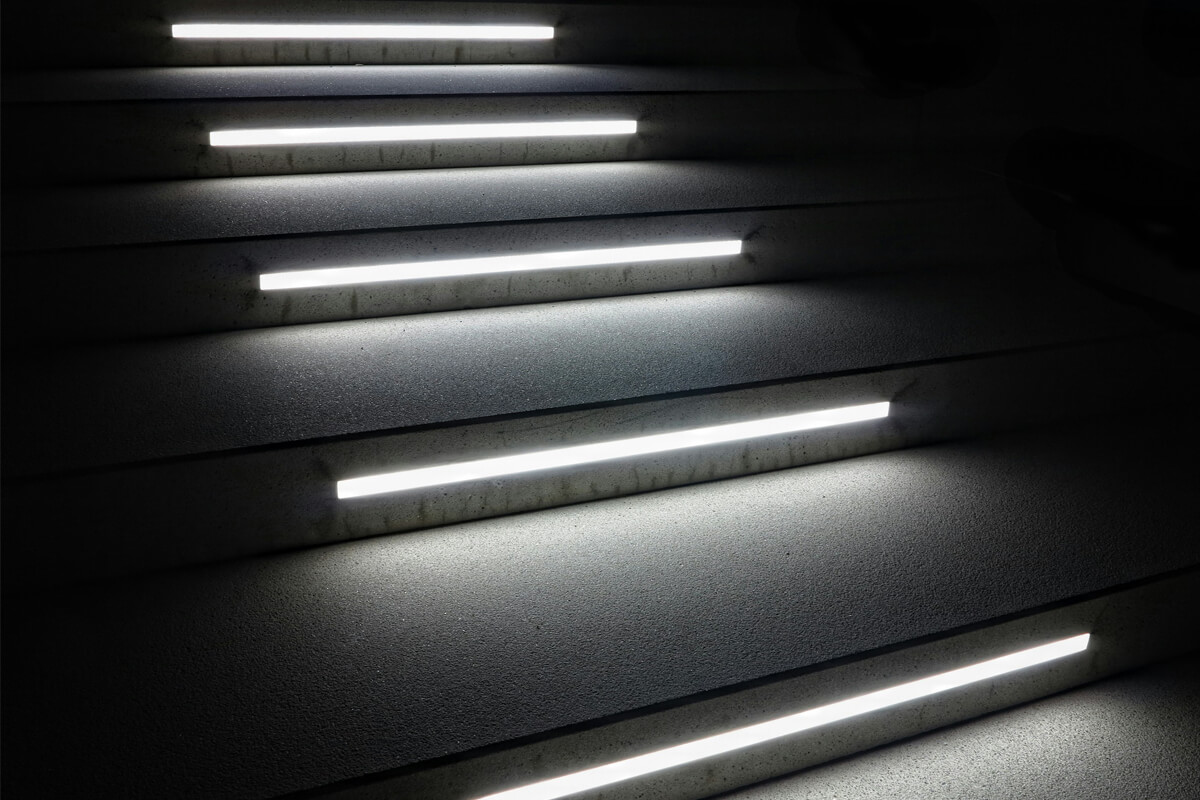
Hallways & Stairs: Along baseboards or under handrails to improve nighttime safety
Before installation, always confirm the location of nearby power outlets. For a cleaner look, consider wireless or low-voltage LED strip solutions to avoid exposed wiring.
3. How to Choose the Right LED Strip Light: Dimmable, Color-Changing, or Smart?
To select the right LED strip light, start by identifying your needs and matching them to your interior style and usage scenario:
1) Dimmable LED Strip Lights
Ideal for bedrooms and living rooms, dimmable strips allow you to adjust brightness easily. They provide sufficient everyday lighting while creating a calm, relaxing atmosphere when dimmed.
2) Color-Changing LED Strip Lights (RGB / RGBW)
Best suited for game rooms, home theaters, or party spaces, RGB and RGBW strip lights let you switch between colors freely, enhancing visual impact and personalization.
If you want one solution for multiple scenarios, smart LED strip lights with both dimming and color-changing functions are the best choice. They offer app and voice control for maximum flexibility.
4. Five Simple Steps to Install LED Strip Lights (Beginner-Friendly)
Step 1: Plan the Installation Surface and Layout
Decide where the strip lights will go and map out the installation path. Consider corners, obstacles, and power access points in advance to avoid rework.
Step 2: Measure the Installation Length
Use a measuring tape to record the exact length of the installation area. Accurate measurements ensure proper cutting or extension later.
Step 3: Adjust the Strip Length (Cut or Extend)
If the area is longer than the strip, use extension cables or connectors. If it’s shorter, cut the strip only along the marked cut lines.
Tip: Always disconnect the power before cutting or connecting strips. Avoid bending the strip at sharp 90-degree angles—use gentle curves or flexible connectors instead.
Step 4: Clean and Dry the Surface
Wipe the surface with a damp cloth to remove dust and grease. Allow it to dry completely so the adhesive bonds securely.
Step 5: Attach and Secure the LED Strip
Peel off the adhesive backing and press the strip firmly into place. Hold for at least 10 seconds and repeat every 15 cm (6 inches) to ensure strong adhesion.
5. Additional Setup Steps for Smart LED Strip Lights
After installing smart LED strip lights physically, follow these extra steps to enable smart control:
Step 1: Prepare for Pairing
Power on the strip light and ensure your phone is nearby. For Wi-Fi models, confirm your phone and strip are on the same network (Bluetooth models only require proximity).
Step 2: Pair the Device
Download the brand’s official app, log in, and tap “Add Device.” Select “Smart LED Strip Light,” then follow the on-screen instructions. Pairing usually takes 1–3 seconds. Some models may require entering Wi-Fi credentials.
Step 3: App Setup and Customization
Once connected, you can adjust brightness, change colors, set timers, and create lighting scenes (movie mode, sleep mode, etc.). Voice assistants like Alexa or Google Assistant can also be linked for hands-free control.
Troubleshooting Tip:
If pairing fails, restart the strip or phone and try again. Check whether your strip supports 2.4GHz Wi-Fi, as many smart models do not support 5GHz networks.
6. Required Tools and Important Installation Tips
Essential Tools:
-
Measuring tape
-
Sharp scissors
-
Damp cloth
-
Ladder (for ceilings or high areas)
-
Double-sided tape (optional, for repositionable installs)
Important Notes:
-
Strong adhesive may damage surfaces if removed, so confirm placement before sticking
-
Use additional double-sided tape if you plan to reposition the strip
-
Avoid installing on damp or high-temperature surfaces
-
Always match the power supply voltage to the strip light specifications
7. Further Reading: Learn More About Home Lighting
With these steps, you now know how to choose and install LED strip lights confidently. If you’d like to explore more lighting tips—such as color temperature selection, smart lighting systems, or whole-home lighting design—be sure to follow our blog. We regularly share practical insights and creative ideas to help you build a more comfortable and stylish living space.