 English
 العربية
 Français
 Deutsch
 Italiano
 Polski
 Português
 Русский
 Español
 Українська


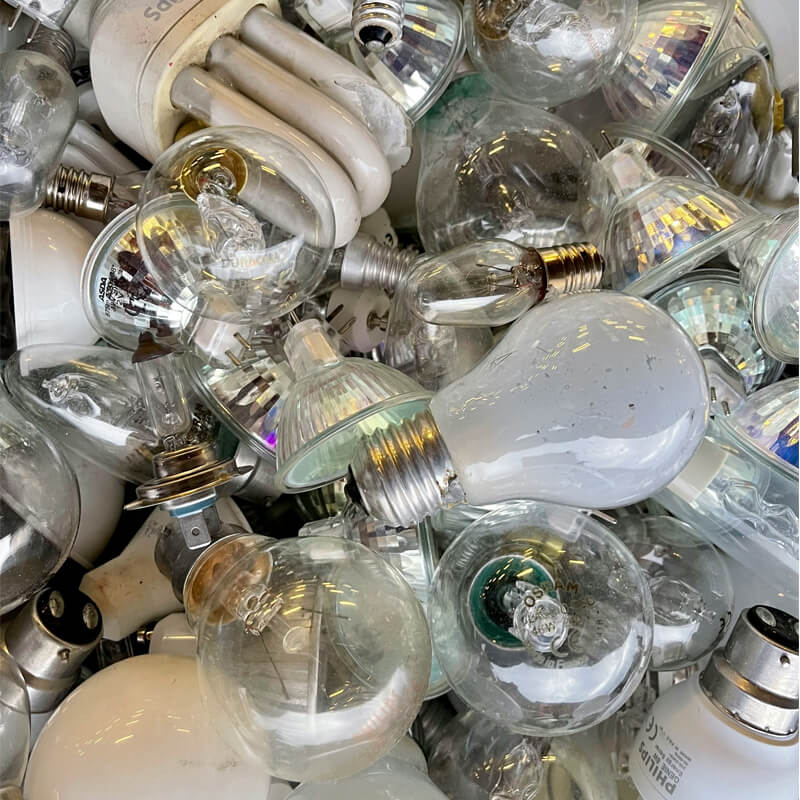
I. What Is the Halogen Bulb Ban? When Was It Introduced and Implemented?
The halogen bulb ban is designed to phase out inefficient light sources and promote environmentally friendly, energy-saving lighting. At its core, the policy prohibits the import and production of new halogen bulbs.
The European Union took the lead in implementing this ban, which officially came into force on September 1, 2018. This marked the gradual withdrawal of halogen bulbs from the EU market and set an important benchmark for energy-efficient upgrades in the global lighting industry.
If halogen bulbs are still in use in your home, it is highly recommended to switch to high-efficiency LED lighting. Doing so not only aligns with regulatory trends but also helps reduce long-term operating costs.
II. Why Was the Halogen Bulb Ban Introduced?
The primary objectives of the EU’s halogen bulb ban are to improve energy efficiency and reduce carbon emissions, thereby supporting global environmental protection goals. Halogen bulbs are inherently inefficient light sources. During operation, they generate a large amount of wasted heat, with only a small proportion of energy converted into usable light. This inefficiency leads to excessive electricity consumption and indirectly contributes to increased carbon emissions, making halogen lighting a contributing factor to climate change.
In fact, the EU has been planning energy-efficient lighting reforms for many years. As early as 2009, the phase-out of traditional incandescent bulbs began. With rising environmental demands and continuous advancements in lighting technology, the inefficiencies of halogen bulbs became increasingly evident. As a result, the EU expanded the scope of its ban to include halogen bulbs, removing low-efficiency products from the market and actively guiding consumers toward more efficient and sustainable lighting solutions.
III. Why Can LED Lights Replace Halogen Bulbs? A Comparison of Key Advantages and Disadvantages
LED lights have become the ideal replacement for halogen bulbs due to their significant advantages in energy efficiency, lifespan, environmental impact, and overall cost performance. Over the long term, LEDs clearly outperform halogen bulbs. Below is a detailed comparison across five key dimensions: power consumption, lumen output, energy efficiency, environmental impact, and cost savings.
| Comparison Factor | Halogen Bulbs | LED Bulbs |
|---|---|---|
| Power Consumption | High energy consumption; higher wattage required to achieve the same brightness | Very low energy consumption; much lower wattage needed to achieve the same brightness |
| Lumens (Brightness) | Low lumen efficiency; most energy is lost as heat, resulting in limited light output | High lumen efficiency; most energy is converted into light, producing far higher lumens at the same wattage |
| Energy Efficiency | Poor efficiency; consumes about 5 times more energy than LEDs, with significant heat loss | Excellent efficiency; high energy utilization with minimal heat loss, greatly reducing electricity usage |
| Environmental Impact | High heat output leads to higher carbon emissions; materials and structure are less environmentally friendly and may cause pollution after disposal | Low energy consumption means lower carbon emissions; long lifespan reduces waste and environmental burden |
| Cost Savings | Lower upfront cost, but short lifespan (around 2,000 hours—about 2 years at 3 hours per day); annual electricity cost is about £11, resulting in high long-term expenses | Slightly higher upfront cost, but long lifespan (15,000–30,000 hours, depending on the product series); annual electricity cost is only about £2, offering substantial long-term savings |
IV. How to Choose the Right LED Bulbs: Key Factors to Consider
When selecting LED bulbs, it’s important to move away from the traditional habit of judging brightness by wattage. Instead, focus on key performance parameters and match them to your specific application scenarios.
1. Focus on Brightness: Lumens (lm)
Wattage only indicates energy consumption and does not accurately reflect brightness. Lumens are the true measure of light output—the higher the lumen value, the brighter the light. For example, our Classic Series LED bulbs offer a lumen range of 120 to 480 lumens, making them suitable for various spaces such as living rooms, bedrooms, and hallways.
2. Check Color Temperature: Kelvin (K)
Color temperature determines the lighting atmosphere and is measured in kelvins (K). Choose the appropriate color temperature based on the intended use:
-
2200K: Produces a warm, amber glow similar to dim incandescent lighting, ideal for bedrooms, studies, and spaces that require a calm, relaxing evening ambiance.
-
2700K: Delivers a warm white light with comfortable brightness. Our Porcelain Series, for example, is well-suited for living rooms, dining areas, and other everyday activity spaces.
3. Match the Application and Bulb Base
Always select LED bulbs that match your fixture’s base type and installation requirements. At the same time, choose suitable brightness and color temperature levels to avoid lighting that is either too harsh or too dim, which can negatively affect comfort and usability.
Feel free to browse our full range of LED products—there is always an option that fits your needs. If you have any questions, please get in touch with us at sales@huiyeetech.com, and our team will be happy to provide professional support.
RFQ (Request for Quotation)
If you have bulk purchasing requirements for LED lighting, please send the following information to the email address above. We will provide a precise quotation and a tailored solution promptly:
-
Required product series (e.g., Classic Series, Porcelain Series) and specific models
-
Purchase quantity, target delivery date, and delivery location
-
Detailed technical requirements (such as lumen range, color temperature, and base type)
-
Any additional requirements (packaging standards, product certifications, after-sales support, etc.)
With reliable product quality and a well-established supply chain, we deliver cost-effective solutions for all types of bulk procurement needs. We look forward to working with you.