 English
 العربية
 Français
 Deutsch
 Italiano
 Polski
 Português
 Русский
 Español
 Українська


¿Qué causa que fallen los tubos LED?? Razones comunes y cómo extender su vida útil
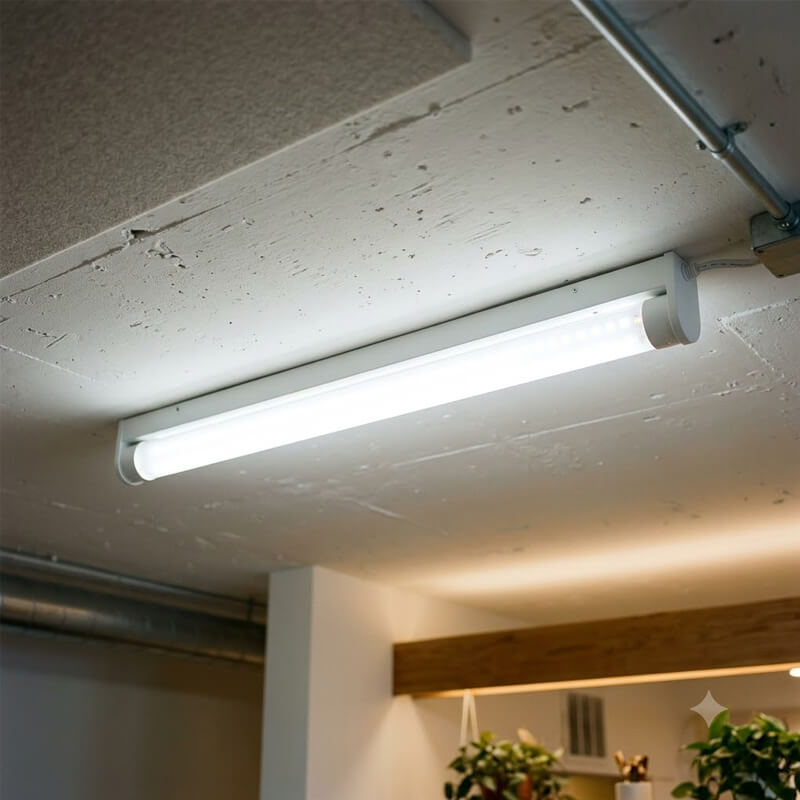
Los tubos LED se han convertido en una de las opciones de iluminación más populares para oficinas., almacenes, fábricas, garajes, supermercados, y hogares. Comparado con los tubos fluorescentes tradicionales, tubos LED usar menos energía, proporcionar un mejor rendimiento de iluminación, durar más, y requieren menos mantenimiento.
Sin embargo, algunos usuarios todavía experimentan problemas después de la instalación, como Tubos LED parpadeando, volviéndose oscuro, o dejar de funcionar por completo. Esto a menudo hace que los compradores se pregunten: ¿Por qué fallan los tubos LED si se supone que deben durar muchos años??
en la mayoría de los casos, El fallo del tubo LED no es causado por la tecnología LED en sí, sino por factores como componentes de mala calidad, calentamiento excesivo, fuente de alimentación inestable, instalación incorrecta, o entornos operativos inadecuados.
En esta guía, Te explicaremos las razones más comunes por las que Los tubos LED fallan y comparta consejos sencillos para ayudarle a elegir y utilizar los tubos LED correctamente.
1. Los componentes de baja calidad hacen que los tubos LED fallen antes
Primero, La calidad de los componentes internos juega un papel clave a la hora de determinar cuánto tiempo tubos LED puede durar.
Un tubo LED contiene varias partes importantes, incluido:
- chips LED
- controladores LED
- placas de circuito
- Materiales de disipación de calor.
- Cableado interno
Entre estos componentes, el controlador LED es especialmente importante. El controlador controla la corriente eléctrica que alimenta los chips LED.. Si la calidad del conductor es mala, puede fallar antes de que los chips LED, causando el Tubo LED para parpadear, volverse más oscuro, o dejar de trabajar.
Además, Los chips LED de baja calidad pueden tener problemas con la estabilidad del brillo., consistencia del color, y esperanza de vida general.
Por lo tanto, al comprar tubos LED, Los compradores deben elegir productos de fabricantes confiables que utilicen componentes de calidad., conductores probados, y estrictos procesos de control de calidad.
2. El calor excesivo reduce la vida útil del tubo LED
Además de la calidad de los componentes, El calor es otro factor importante que afecta Rendimiento del tubo LED.
A pesar de Los tubos LED producen mucho menos calor que los tubos fluorescentes, todavía generan calor durante el funcionamiento. Si el calor no puede escapar adecuadamente, Las altas temperaturas pueden dañar el controlador LED y los circuitos internos..
Las causas comunes de sobrecalentamiento incluyen:
- Instalación de tubos LED en luminarias cerradas con poco flujo de aire
- Uso de tubos LED en zonas de alta temperatura
- Elegir una válvula con niveles de potencia inadecuados
- Mal diseño de disipación de calor.
Por ejemplo, Tubos LED instalados en fábricas, almacenes, o áreas cercanas a fuentes de calor puede requerir una mejor gestión térmica.
Alta calidad tubos LED Normalmente se utilizan disipadores de calor de aluminio., materiales de vivienda duraderos, y diseños eficientes para controlar el calor y mejorar la vida útil.
3. Los problemas de voltaje pueden dañar los tubos LED
Otra razón común por la que Los tubos LED fallan es voltaje inestable.
La iluminación LED requiere un suministro eléctrico estable. Sin embargo, problemas como sobretensiones, cableado viejo, o los sistemas eléctricos inestables pueden dañar el controlador interno.
Cuando el voltaje es demasiado alto, puede quemar al conductor. Cuando el voltaje es inestable o demasiado bajo, los usuarios pueden notar:
- Tubos LED parpadeando
- Brillo reducido
- iluminación intermitente
- Vida útil más corta
Para evitar estos problemas, seleccionar siempre tubos LED que coincidan con sus requisitos de voltaje locales, como 120V o 220V.
Para aplicaciones comerciales e industriales, eligiendo Tubos LED con drivers de alta calidad y funciones de protección eléctrica. puede proporcionar una mayor confiabilidad.
4. La instalación incorrecta provoca problemas con los tubos LED
Incluso una alta calidad tubo LED puede fallar si se instala incorrectamente.
Uno de los errores de instalación más comunes es elegir el método de cableado incorrecto.
Alguno tubos LED están diseñados para:
- Instalación de cable directo (bypass de lastre)
- Trabajar con balastros fluorescentes existentes
- Reemplazo plug-and-play
Si se utiliza el método de instalación incorrecto, puede causar:
- Parpadeo
- Mal rendimiento de iluminación
- Daños al conductor
- Problemas de seguridad
Las conexiones flojas entre el tubo LED y el casquillo también pueden crear un contacto inestable y hacer que la luz se encienda y apague..
Por lo tanto, antes de reemplazar los tubos fluorescentes, Los compradores deben comprobar cuidadosamente las especificaciones del tubo LED y seguir las instrucciones de instalación..
5. La humedad y los entornos inadecuados afectan a los tubos LED
Además de los problemas eléctricos., el entorno de instalación también afecta Vida útil del tubo LED.
La humedad es un problema común., especialmente en áreas como:
- Garajes
- Talleres
- Sótanos
- Espacios al aire libre
- Instalaciones industriales
Si entra agua o humedad en el interior de un tubo LED, puede causar:
- Cortocircuitos
- Corrosión
- Fallo del conductor
- Rendimiento de seguridad reducido
Para aplicaciones húmedas o al aire libre, los compradores deben elegir Tubos LED con diseños adecuados impermeables o resistentes a la humedad..
Seleccionar el tubo LED adecuado para el entorno adecuado puede mejorar enormemente la confiabilidad.
6. La interferencia eléctrica hace que los tubos LED parpadeen
A veces, Los tubos LED pueden parpadear incluso cuando el producto en sí no está defectuoso. La razón podría ser una interferencia electromagnética. (EMI).
Equipos eléctricos cercanos, como:
- motores
- maquinas de fabrica
- Fuentes de alimentación
- Sistemas de control
puede crear interferencias eléctricas que afecten el funcionamiento del tubo LED.
Los síntomas comunes incluyen:
- Parpadeo aleatorio
- Cambios de brillo
- Iluminación inestable
- Ruidos de zumbido
Para proyectos de iluminación comercial e industrial., eligiendo Tubos LED con mejor protección de circuito y diseños antiinterferencias. puede ayudar a prevenir estos problemas.
7. El cambio frecuente puede afectar la vida útil del tubo LED
A pesar de Los tubos LED son más duraderos que los tubos fluorescentes tradicionales., el cambio frecuente aún puede afectar su vida útil, especialmente cuando se utilizan productos de baja calidad.
Aplicaciones como:
- Iluminación con sensor de movimiento
- Iluminación de seguridad
- Iluminación de escaleras
- Sistemas de control automático
Puede encender y apagar los tubos LED muchas veces al día..
Los cambios frecuentes suponen una tensión adicional para el controlador LED. Para estas aplicaciones, es mejor elegir Tubos LED con controladores duraderos diseñados para un funcionamiento frecuente.
Cómo evitar que fallen los tubos LED?
Mayoría Se pueden prevenir fallos en los tubos LED tomando las decisiones correctas antes de la compra y la instalación.
Elija tubos LED de alta calidad
Al seleccionar tubos LED, prestar atención a:
- Chips LED de alta calidad
- Controladores LED confiables
- Buen diseño de disipación de calor.
- Certificaciones de seguridad
- Rendimiento de iluminación estable
Un tubo LED más económico puede reducir los costes iniciales, pero los reemplazos frecuentes pueden aumentar los gastos a largo plazo.
Seleccione el tubo LED adecuado para su aplicación
Antes de comprar, siempre revisa:
- Tamaño del tubo LED (como T8 o T5)
- Requisitos de voltaje
- tipo básico
- Método de cableado
- Aplicación en interiores o exteriores
Elegir lo correcto tubo LED ayuda a evitar problemas de compatibilidad y mejora el rendimiento general.
Instale los tubos LED correctamente
La instalación adecuada es esencial para maximizar la vida útil de tubos LED.
Siga siempre las instrucciones de instalación del fabricante.. Para grandes proyectos comerciales, Se recomienda la instalación profesional para garantizar la seguridad y la confiabilidad..
Conclusión: Elija los tubos LED adecuados para un rendimiento a largo plazo
Entonces, ¿Qué causa que los tubos LED fallen??
Las razones más comunes incluyen componentes de mala calidad., calentamiento excesivo, voltaje inestable, instalación incorrecta, exposición a la humedad, interferencia eléctrica, y cambios frecuentes.
Sin embargo, mayoría Se pueden evitar los problemas con los tubos LED. Al elegir alta calidad tubos LED, instalándolos correctamente, y seleccionar productos adecuados para su entorno, puedes disfrutar de una iluminación más brillante, menores costos de energía, y una vida útil más larga.
Para empresas, mayoristas, distribuidores, y compradores de iluminación, invertir en confiable tubos LED significa menos reemplazos, costos de mantenimiento reducidos, y mejor valor a largo plazo.