 English
 العربية
 Français
 Deutsch
 Italiano
 Polski
 Português
 Русский
 Español
 Українська


Wie heißt ein Kronleuchter, der Kerzen hält?? Ein vollständiger Leitfaden zu Namen, Typen, und Stile
Wenn Sie eine Hängevorrichtung zum Halten von Kerzen sehen, Sie fragen sich vielleicht sofort, wie die Leute es eigentlich nennen. Ist es ein Kerzenleuchter?, ein Kandelaber, oder etwas anderes? Denn historische Beleuchtungsbegriffe überschneiden sich häufig mit modernen Produktnamen, Verwirrung kommt leicht vor.
In diesem umfassenden Ratgeber, Sie lernen den richtigen Namen für einen Kronleuchter, der Kerzen hält, Verstehen Sie, wie es sich von ähnlichen Geräten unterscheidet, und entdecken Sie, wie Designer es heute nutzen. Nach dem Weg, Sie werden auch seine Geschichte erkunden, Haupttypen, Styling-Anwendungen, Sicherheitstipps, und moderne Alternativen. Am Ende, Sie werden den richtigen Begriff erkennen und sicher das passende Gerät auswählen.
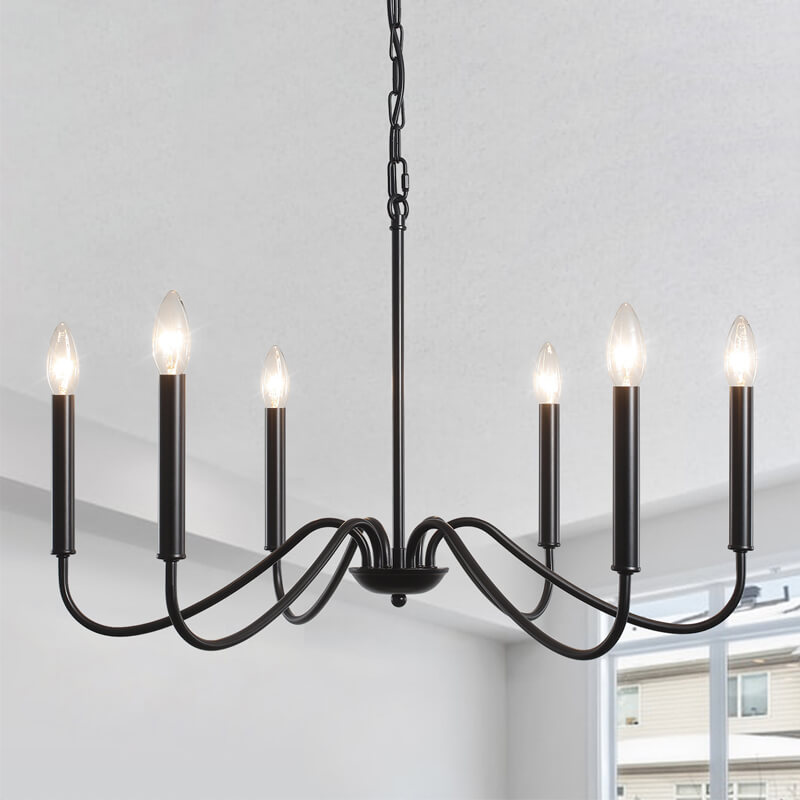
Wie heißt ein Kronleuchter, der Kerzen hält?? Schnelle Definition und alltägliche Begriffe
Erstens, Am häufigsten wird ein Kronleuchter, der Kerzen hält, als a bezeichnet Kerzenleuchter oder ein Kandelaber-Kronleuchter. Beide Begriffe kommen in der Innenarchitektur häufig vor, Antike Kataloge, und Einzelhandelsangebote.
In der Alltagssprache, Käufer und Dekorateure verwenden auch mehrere verwandte Namen. Zum Beispiel, Sie werden es vielleicht oft sehen:
-
Kerzenleuchter
-
Kandelaber-Kronleuchter
-
Kronleuchter im Kerzenstil
-
Mittelalterlicher Kronleuchter
-
Rustikaler Kerzenleuchter
Jedoch, Jeder Begriff hat je nach Kontext eine leicht unterschiedliche Bedeutung. daher, wenn Sie suchen oder einkaufen, Sie sollten darauf achten, wie Verkäufer das Gerät beschreiben.
Auf dem heutigen Markt, Viele Marken bezeichnen elektrische Leuchten mit kerzenförmigen Glühbirnen als „Kerzenleuchter“.,Auch wenn sie keine echten Wachskerzen unterstützen. Infolge, Die Produktbeschreibung ist genauso wichtig wie der Produktname.
Der wahre Name: Kerzenleuchter vs. Kandelaber – Was ist der Unterschied??
Nächste, Lassen Sie uns die Terminologie genauer klären.
Traditionell, das Wort Kandelaber beschreibt einen mehrarmigen Kerzenhalter, der auf einem Tisch oder Ständer steht. Im Gegensatz, A Kronleuchter hängt von der Decke. Dieser strukturelle Unterschied trennt die beiden Kategorien.
Denn beide Designs verfügen über mehrere Kerzenarme, Die Leute begannen, die Begriffe zu kombinieren. Folglich, der Satz Kandelaber-Kronleuchter wurde zu einer gängigen Bezeichnung für Deckenleuchten mit Armen im Kandelaberstil.
Einfach gesagt:
-
A Kandelaber Hält mehrere Kerzen und steht normalerweise aufrecht auf einer Oberfläche
-
A Kronleuchter hängt als Beleuchtungskörper von der Decke
-
A Kandelaber-Kronleuchter kombiniert Kerzenarme mit einer hängenden Struktur
Heute, Die meisten SEO-freundlichen Produktlisten bevorzugen diesen Begriff Kerzenleuchter, während Antiquitätenhändler und Historiker oft wählen Kandelaber-Kronleuchter für Genauigkeit.
Eine kurze Geschichte der Kerzenleuchter im Laufe der Jahrhunderte
Um den Namen tiefer zu verstehen, Sie sollten auch den Ursprung verstehen.
Ursprünglich, Baumeister schufen im mittelalterlichen Europa Kerzenleuchter, um große Innenräume zu beleuchten. Handwerker hängten Holz- oder Eisenrahmen von der Decke und befestigten mehrere Kerzen an ausgestreckten Armen. Dieser Ansatz erhöhte die Lichtquelle, erhöhte Verbreitung, und verringertes Brandrisiko in Bodennähe.
Als sich die Handwerkskunst verbesserte, Metallarbeiter begannen, aufwändigere Waffen und Stützen zu schmieden. Wohlhabende Haushalte ließen dann Bronze- und Messingversionen mit dekorativen Details in Auftrag geben. Bald darauf, Kunsthandwerker fügten Kristall- und Glaselemente hinzu, um das Kerzenlicht zu reflektieren und zu vervielfachen.
Später, Elektrizität verwandelte das Kronleuchter-Design vollständig. Die Designer ersetzten offene Flammen durch kerzenförmige Glühbirnen, behielten aber die verzweigte Armstruktur bei. Wegen dieser Verschiebung, Moderne Kronleuchter im Kerzenstil bewahren das historische Aussehen und erhöhen gleichzeitig die Sicherheit und den Komfort.
Arten von Kerzenleuchtern, die Sie kennen sollten
Allerdings haben alle Kerzenleuchter ein gemeinsames Konzept mit verzweigten Armen, Designer produzieren sie in verschiedenen Formen. Das Verständnis dieser Variationen hilft Ihnen, die Leuchte an Ihren Raum anzupassen.
Traditionelle mehrarmige Kerzenleuchter verfügen über symmetrische Arme und aufrechte Kerzenbecher. Designer verwenden sie am häufigsten in klassischen und historischen Innenräumen.
Ring- und Radkerzenleuchter ordnen die Kerzen um einen kreisförmigen Rahmen an. daher, Besonders gut wirken sie über runden Esstischen und in großen Sälen.
Rustikale Kerzenleuchter aus Holz und Wagenrädern kombinieren Holz und geschmiedetes Metall. Infolge, Sie passen zum Bauernhaus, Hütte, und Einrichtung im Landhausstil perfekt.
Verzierte Kerzenleuchter aus Kristall verleihen den Kerzenarmen hängende Prismen und dekorative Tropfen. Folglich, Sie sorgen sowohl für Kerzenromantik als auch für Kristallfunkeln.
Minimalist candle frame chandeliers simplify the silhouette with fewer arms and cleaner lines. Because of that restraint, they integrate more easily into transitional spaces.
Mini candle chandeliers scale the design down for bedrooms, entries, and compact dining areas. Thus, smaller rooms can still enjoy the candle chandelier effect.
Real Candles vs. Faux Candle Chandeliers
In diesem Stadium, you should distinguish between real-candle fixtures and candle-look fixtures.
Real candle chandeliers hold actual wax candles. Manufacturers include drip trays, heat-resistant cups, and wider arm spacing to support open flames. Natürlich, these fixtures require stricter safety planning.
Im Gegensatz dazu, faux candle chandeliers use candle-shaped bulbs instead of real candles. These bulbs often carry names like candelabra bulbs or flame-tip bulbs.
LED flame-tip bulbs, in particular, sind populär geworden, weil sie:
-
Heizleistung reduzieren
-
Geringeres Brandrisiko
-
Verlängern Sie die Lebensdauer
-
Unterstützt Dimmsteuerung
Aus diesem Grund, Die meisten Hausbesitzer entscheiden sich mittlerweile für elektrische Kronleuchter im Kerzenstil anstelle von Modellen mit offener Flamme.
Wo Kerzenleuchter in der Innenarchitektur am besten funktionieren
Obwohl Kerzenleuchter in Schlössern und Kirchen ihren Anfang nahmen, Designer platzieren sie mittlerweile in vielen Umgebungen.
Erste, Große Eingangsbereiche profitieren stark von Kerzenkronleuchtern, da hohe Decken und offene Räume die vertikale Dramatik unterstützen.
Ähnlich, Esszimmer erhalten durch die Beleuchtung im Kerzenstil Wärme und Intimität. Die nach oben gerichtete Flammenform verstärkt optisch die Tradition und Zusammenkunft.
Rustikale Hütten und Innenräume von Bauernhäusern eignen sich auch für Kerzenleuchter aus Holz und Eisen, da die Materialien den architektonischen Charakter widerspiegeln.
In der Zwischenzeit, Veranstaltungsorte und historische Restaurierungen installieren häufig echte Kerzenleuchter, um die Authentizität zu bewahren. In diesen Fällen, Planer kümmern sich sorgfältig um Abstand und Belüftung.
In überdachten Außenhallen und Kreuzgängen werden manchmal auch Kerzenleuchter verwendet, vor allem, wenn Designer eine Atmosphäre der alten Welt wünschen.
So erkennen Sie beim Einkaufen einen authentischen Kerzenleuchter
Wenn Sie einen Kerzenleuchter kaufen, Sie können nach mehreren physischen Indikatoren suchen.
Authentische Kerzenleuchter umfassen normalerweise Folgendes::
-
Definierte Kerzenbecher oder -hülsen
-
Sichtbare Tropfbleche
-
Aufrechte Armwinkel
-
Hitzebeständige Metallkonstruktion
-
Großzügiger Halterabstand
Auf der anderen Seite, Elektrische Leuchten in Kerzenoptik verzichten oft auf Tropfschalen und verwenden schmale Fassungen, die nur für Kandelaberbirnen geeignet sind.
Um Ihre Suchergebnisse zu verbessern, Sie sollten auch mehrere Keyword-Variationen verwenden, wie zum Beispiel:
-
Kerzenleuchter
-
Kandelaber-Kronleuchter
-
Kronleuchter im Kerzenstil
-
Mittelalterlicher Kerzenleuchter
-
Kerzenleuchter mit Wagenrad
Eine breitere Verwendung von Schlüsselwörtern stärkt die SEO-Erkennung und den Produktabgleich.
Styling und Dekoration rund um einen Kerzenleuchter
Sobald Sie einen Kerzenleuchter installieren, Durchdachtes Styling verstärkt seine Wirkung.
Zum Beispiel, Klassische Innenräume passen gut zu Bronze, Messing, oder Kristallkerzenleuchter kombiniert mit warmen Wandfarben und satten Texturen.
Ebenfalls, Gothic- und Mittelalter-Themen profitieren von dunkleren Metallen, Bögen, und schwere Materialien, die den Charakter der Leuchte verstärken.
Interessant, Viele Designer platzieren mittlerweile Kerzenleuchter in modernen Räumen, um einen Kontrast zu schaffen. In diesem Fall, Sie gleichen die kunstvolle Einrichtung mit minimalen Möbeln und klarer Geometrie aus.
Auch geschichtete Beleuchtung spielt eine wichtige Rolle. Weil kerzenartige Quellen weicheres Licht erzeugen, Designer fügen oft Wandlampen hinzu, Einbauleuchten, oder versteckte LED-Akzente zur Unterstützung der Helligkeit.
Sicherheit, Wartung, und praktische Eigentumstipps
Wenn Sie sich für einen echten Kerzenleuchter entscheiden, Sie müssen zuerst die Sicherheit planen.
Halten Sie immer einen großzügigen Deckenabstand ein und halten Sie Flammen von Balken und Stoffen fern. Zusätzlich, Sie sollten tropfarme Kerzen wählen, um Wachsablagerungen zu reduzieren.
Auch die regelmäßige Reinigung ist wichtig, da sich mit der Zeit Wachs und Ruß ansammeln. daher, Herausnehmbare Tropfschalen erleichtern die Wartung.
Elektrische Kerzenleuchter vereinfachen den Besitz. Selbst dann, Sie sollten dennoch regelmäßig die Arme abstauben und die Steckdosen überprüfen.
Wenn Bequemlichkeit am wichtigsten ist, Viele Hausbesitzer rüsten echte Kerzenleuchten für den täglichen Gebrauch in elektrische Kerzenlampen um.
Moderne Alternativen, die den Kerzenleuchter-Look bewahren
Endlich, Moderne Technologie bietet mehrere Möglichkeiten, das Aussehen des Kerzenleuchters ohne die Nachteile einer offenen Flamme beizubehalten.
Electric candle chandeliers with flame-tip bulbs provide the closest visual match with minimal risk.
Smart LED candle bulbs now simulate flicker effects and allow remote dimming. Infolge, users can fine-tune their mood instantly.
Hybrid fixtures combine candle arms with hidden downlights. Folglich, they deliver both atmosphere and functional illumination.
Battery-powered candle chandelier systems also support temporary installations where wiring proves difficult.
In everyday living, these modern options often outperform traditional candle fixtures while preserving the same romantic silhouette.
For more models of the chandelier, Bitte Überprüfen Sie hier!