 English
 العربية
 Français
 Deutsch
 Italiano
 Polski
 Português
 Русский
 Español
 Українська


Was führt zum Ausfall von LED-Röhren?? Häufige Gründe und wie man ihre Lebensdauer verlängert
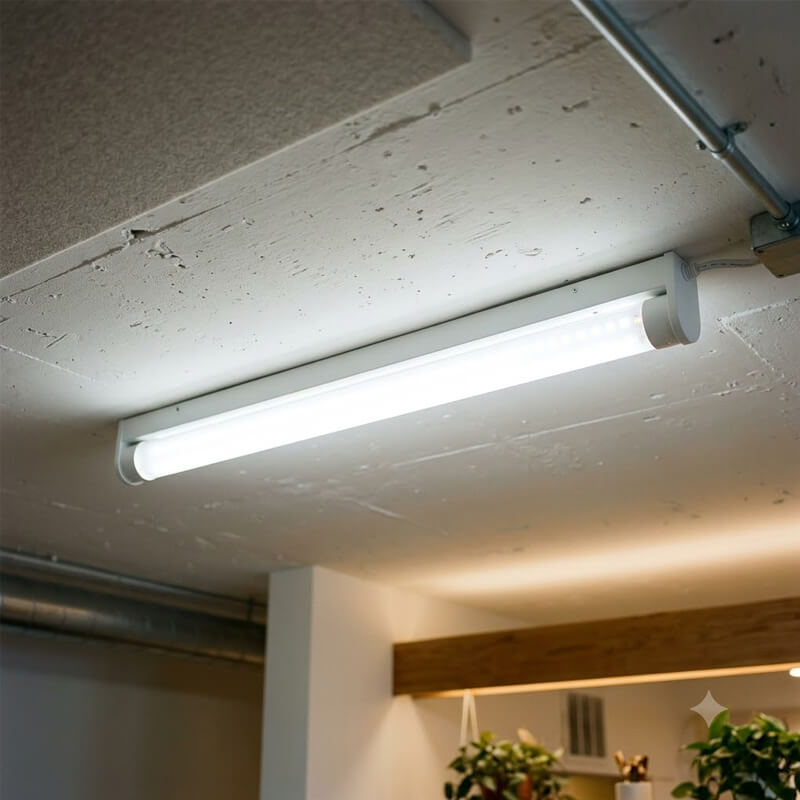
LED-Röhren sind zu einer der beliebtesten Beleuchtungsoptionen für Büros geworden, Lagerhäuser, Fabriken, Garagen, Supermärkte, und Häuser. Im Vergleich zu herkömmlichen Leuchtstoffröhren, LED-Röhren verbrauchen Sie weniger Energie, sorgen für eine bessere Lichtleistung, länger halten, und erfordern weniger Wartung.
Jedoch, Bei einigen Benutzern treten nach der Installation immer noch Probleme auf, wie zum Beispiel LED-Röhren flackern, dunkel werden, oder ganz aufhören zu arbeiten. Das bringt Käufer oft zum Staunen: Warum versagen LED-Röhren, wenn sie viele Jahre halten sollen??
In den meisten Fällen, Der Ausfall einer LED-Röhre ist nicht auf die LED-Technologie selbst zurückzuführen, sondern durch Faktoren wie minderwertige Komponenten, Überhitzung, instabile Stromversorgung, falsche Installation, oder ungeeignete Betriebsumgebungen.
In diesem Ratgeber, Wir erklären Ihnen die häufigsten Gründe dafür LED-Röhren fallen aus und geben Sie einfache Tipps, die Ihnen bei der Auswahl und Verwendung von LED-Röhren helfen.
1. Minderwertige Komponenten führen dazu, dass LED-Röhren früher ausfallen
Erste, Die Qualität der internen Komponenten spielt eine entscheidende Rolle bei der Bestimmung der Dauer LED-Röhren kann dauern.
Eine LED-Röhre enthält mehrere wichtige Teile, einschließlich:
- LED-Chips
- LED-Treiber
- Leiterplatten
- Wärmeableitungsmaterialien
- Interne Verkabelung
Unter diesen Komponenten, Die LED-Treiber ist besonders wichtig. Der Treiber steuert den elektrischen Strom, der die LED-Chips mit Strom versorgt. Wenn die Treiberqualität schlecht ist, Es kann sein, dass es vor den LED-Chips ausfällt, verursacht das LED-Röhre flackert, dunkler werden, oder aufhören zu arbeiten.
Zusätzlich, Bei minderwertigen LED-Chips kann es zu Problemen mit der Helligkeitsstabilität kommen, Farbkonsistenz, und Gesamtlebensdauer.
daher, beim Kauf LED-Röhren, Käufer sollten Produkte von zuverlässigen Herstellern wählen, die hochwertige Komponenten verwenden, getestete Treiber, und strenge Qualitätskontrollprozesse.
2. Übermäßige Hitze verkürzt die Lebensdauer der LED-Röhre
Neben der Komponentenqualität, Hitze ist ein weiterer wichtiger Einflussfaktor Leistung der LED-Röhre.
Obwohl LED-Röhren erzeugen deutlich weniger Wärme als Leuchtstoffröhren, Sie erzeugen im Betrieb immer noch Wärme. Wenn die Hitze nicht richtig entweichen kann, Hohe Temperaturen können den LED-Treiber und die internen Schaltkreise beschädigen.
Zu den häufigsten Ursachen für Überhitzung gehören::
- Installation von LED-Röhren in geschlossenen Leuchten mit schlechter Luftzirkulation
- Einsatz von LED-Röhren in Hochtemperaturbereichen
- Auswahl einer Röhre mit ungeeigneter Leistung
- Schlechtes Wärmeableitungsdesign
Zum Beispiel, In Fabriken installierte LED-Röhren, Lagerhäuser, oder Bereiche in der Nähe von Wärmequellen Möglicherweise ist ein besseres Wärmemanagement erforderlich.
Hochwertig LED-Röhren Normalerweise werden Kühlkörper aus Aluminium verwendet, langlebige Gehäusematerialien, und effiziente Designs zur Wärmekontrolle und Verbesserung der Lebensdauer.
3. Spannungsprobleme können LED-Röhren beschädigen
Ein weiterer häufiger Grund dafür LED-Röhren fallen aus ist eine instabile Spannung.
LED-Beleuchtung erfordert eine stabile Stromversorgung. Jedoch, Probleme wie Spannungsspitzen, alte Verkabelung, oder instabile elektrische Systeme können den internen Treiber beschädigen.
Wenn die Spannung zu hoch ist, es kann dazu führen, dass der Treiber durchbrennt. Wenn die Spannung instabil oder zu niedrig ist, Benutzer bemerken dies möglicherweise:
- LED-Röhren flackern
- Reduzierte Helligkeit
- Intermittierende Beleuchtung
- Kürzere Lebensdauer
Um diese Probleme zu vermeiden, immer auswählen LED-Röhren die Ihren örtlichen Spannungsanforderungen entsprechen, wie 120V oder 220V.
Für gewerbliche und industrielle Anwendungen, wählen LED-Röhren mit hochwertigen Treibern und elektrischen Schutzfunktionen kann eine bessere Zuverlässigkeit bieten.
4. Falsche Installation führt zu Problemen mit LED-Röhren
Sogar eine hochwertige LED-Röhre kann bei falscher Installation fehlschlagen.
Einer der häufigsten Installationsfehler ist die Wahl der falschen Verkabelungsmethode.
Manche LED-Röhren sind dafür ausgelegt:
- Direkte Kabelinstallation (Ballast-Bypass)
- Arbeiten mit vorhandenen Leuchtstoffvorschaltgeräten
- Plug-and-Play-Ersatz
Wenn die falsche Installationsmethode verwendet wird, es kann dazu führen:
- Flackern
- Schlechte Lichtleistung
- Fahrerschaden
- Sicherheitsprobleme
Auch lose Verbindungen zwischen LED-Röhre und Fassung können zu einem instabilen Kontakt führen und zum Ein- und Ausschalten des Lichts führen.
daher, bevor Sie Leuchtstoffröhren austauschen, Käufer sollten die Spezifikationen der LED-Röhre sorgfältig prüfen und die Installationsanweisungen befolgen.
5. Feuchtigkeit und falsche Umgebungen beeinträchtigen LED-Röhren
Zusätzlich zu elektrischen Problemen, Auch die Installationsumgebung wirkt sich aus Lebensdauer der LED-Röhre.
Feuchtigkeit ist ein häufiges Problem, insbesondere in Bereichen wie:
- Garagen
- Workshops
- Keller
- Außenbereiche
- Industrieanlagen
Wenn Wasser oder Feuchtigkeit in das Innere eines Geräts eindringt LED-Röhre, es kann verursachen:
- Kurzschlüsse
- Korrosion
- Treiberfehler
- Reduzierte Sicherheitsleistung
Für feuchte oder Außenanwendungen, Käufer sollten wählen LED-Röhren mit geeigneten wasserdichten oder feuchtigkeitsbeständigen Designs.
Die Auswahl der richtigen LED-Röhre für die richtige Umgebung kann die Zuverlässigkeit erheblich verbessern.
6. Elektrische Störungen führen zum Flackern von LED-Röhren
Manchmal, LED-Röhren können auch dann flackern, wenn das Produkt selbst nicht defekt ist. Der Grund könnten elektromagnetische Störungen sein (EMI).
Elektrogeräte in der Nähe, wie zum Beispiel:
- Motoren
- Fabrikmaschinen
- Netzteile
- Kontrollsysteme
kann zu elektrischen Störungen führen, die den Betrieb der LED-Röhre beeinträchtigen.
Zu den häufigsten Symptomen gehören::
- Zufälliges Flackern
- Helligkeit ändert sich
- Instabile Beleuchtung
- Summende Geräusche
Für gewerbliche und industrielle Beleuchtungsprojekte, wählen LED-Röhren mit besserem Schaltungsschutz und Anti-Interferenz-Design kann helfen, diese Probleme zu verhindern.
7. Häufiges Umschalten kann die Lebensdauer der LED-Röhre beeinträchtigen
Obwohl LED-Röhren sind langlebiger als herkömmliche Leuchtstoffröhren, Häufiges Wechseln kann sich dennoch auf ihre Lebensdauer auswirken, insbesondere bei der Verwendung minderwertiger Produkte.
Anwendungen wie z:
- Beleuchtung mit Bewegungssensor
- Sicherheitsbeleuchtung
- Treppenbeleuchtung
- Automatische Kontrollsysteme
kann dazu führen, dass LED-Röhren jeden Tag mehrmals ein- und ausgeschaltet werden.
Häufiges Schalten belastet den LED-Treiber zusätzlich. Für diese Anwendungen, es ist besser zu wählen LED-Röhren mit langlebigen Treibern für häufigen Betrieb.
So verhindern Sie den Ausfall von LED-Röhren?
Am meisten Ausfälle von LED-Röhren können verhindert werden indem Sie vor dem Kauf und der Installation die richtigen Entscheidungen treffen.
Wählen Sie hochwertige LED-Röhren
Bei der Auswahl LED-Röhren, beachten:
- Hochwertige LED-Chips
- Zuverlässige LED-Treiber
- Gutes Wärmeableitungsdesign
- Sicherheitszertifizierungen
- Stabile Lichtleistung
Eine günstigere LED-Röhre kann die Anschaffungskosten senken, Doch häufiger Austausch kann die langfristigen Kosten erhöhen.
Wählen Sie die richtige LED-Röhre für Ihre Anwendung
Vor dem Kauf, immer prüfen:
- LED-Röhrengröße (wie T8 oder T5)
- Spannungsanforderungen
- Basistyp
- Verkabelungsmethode
- Innen- oder Außenanwendung
Das Richtige wählen LED-Röhre hilft, Kompatibilitätsprobleme zu vermeiden und die Gesamtleistung zu verbessern.
LED-Röhren richtig installieren
Eine ordnungsgemäße Installation ist für die Maximierung der Lebensdauer von entscheidender Bedeutung LED-Röhren.
Befolgen Sie immer die Installationsanweisungen des Herstellers. Für große kommerzielle Projekte, Um Sicherheit und Zuverlässigkeit zu gewährleisten, wird eine professionelle Installation empfohlen.
Abschluss: Wählen Sie die richtigen LED-Röhren für eine langfristige Leistung
Also, Was führt zum Ausfall von LED-Röhren??
Zu den häufigsten Gründen zählen minderwertige Komponenten, Überhitzung, instabile Spannung, falsche Installation, Feuchtigkeitseinwirkung, elektrische Störungen, und häufiges Wechseln.
Jedoch, am meisten Probleme mit LED-Röhren können vermieden werden. Durch die Wahl von hoher Qualität LED-Röhren, sie richtig zu installieren, und Auswahl von Produkten, die für Ihre Umgebung geeignet sind, Sie können eine hellere Beleuchtung genießen, geringere Energiekosten, und längere Lebensdauer.
Für Unternehmen, Großhändler, Händler, und Beleuchtungskäufer, in zuverlässige investieren LED-Röhren bedeutet weniger Ersatz, reduzierte Wartungskosten, und langfristig besserer Wert.