 English
 العربية
 Français
 Deutsch
 Italiano
 Polski
 Português
 Русский
 Español
 Українська


Wafer-Lichter vs. Dosenlichter: Was ist der Unterschied und wofür sollten Sie sich entscheiden??
Bei der Planung einer Beleuchtungsmodernisierung, Die Wahl der richtigen Einbauleuchte kann einen großen Unterschied sowohl im Aussehen als auch in der Leistung Ihres Raums machen. Heute, Zwei der häufigsten Optionen sind Wafer-Lichter Und kann Lichter.
Obwohl beide sauber liefern, integrierte Deckenbeleuchtung, Sie sind unterschiedlich aufgebaut und dienen leicht unterschiedlichen Zwecken. Also, um Ihnen dabei zu helfen, eine sichere Entscheidung zu treffen, Wir werden ihre Definitionen aufschlüsseln, Merkmale, Vorteile, Installationsmethoden, und Hauptunterschiede in einem einfachen, leicht verständliche Art und Weise.
1. Was sind Wafer-Lichter und Dosenlichter??
Zunächst einmal, Es ist wichtig zu wissen, um welche Art von Beleuchtung es sich tatsächlich handelt.
Was sind Wafer-Lichter??
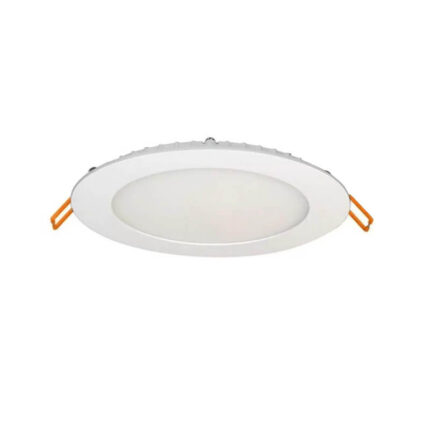
Wafer-Lichter, oft genannt dosenlose Einbauleuchten, sind ultradünne LED-Leuchten, die so konzipiert sind, dass sie nahezu bündig mit der Decke abschließen. Im Gegensatz zu herkömmlichen Einbausystemen, sie benötigen kein Metallgehäuse (dürfen).
Stattdessen, Sie werden direkt an eine Anschlussdose angeschlossen und in einen kleinen Deckenausschnitt eingebaut. Aufgrund dieser vereinfachten Struktur, Wafer-Leuchten sind besonders nützlich in Räumen mit begrenzter Deckentiefe oder bei Nachrüstungsprojekten, bei denen die Installation eines vollständigen Gehäuses schwierig wäre.
Was sind Dosenlichter??
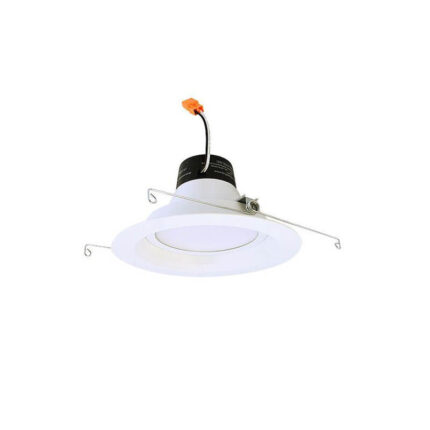
Im Gegensatz, kann Lichter (auch bekannt als Einbauleuchten oder Downlights) Verwenden Sie ein zylindrisches Metallgehäuse, das in der Deckenkonstruktion installiert wird.
Die Glühbirne sitzt in diesem Gehäuse und ist mit einer Blende abgedeckt. Im Gegensatz zu Wafer-Lichtern, Dosenleuchten ermöglichen es Benutzern, Glühbirnen auszutauschen und aus einer Vielzahl von Verzierungen und Lichteffekten zu wählen.
2. Hauptmerkmale von Wafer- und Can-Lights
Jetzt verstehen wir die Grundlagen, Schauen wir uns an, wie sich die einzelnen Beleuchtungsarten im realen Einsatz verhalten.
Wafer-Lichtfunktionen
Wafer-Leuchten sind auf Einfachheit und moderne Effizienz ausgelegt. Insbesondere, sie bieten:
- Ultradünn, platzsparendes Design
- Kein Einbaugehäuse erforderlich
- Integrierte LED-Technologie
- Hohe Energieeffizienz
- Einfache Nachrüstung
- Sauber, Minimales Erscheinungsbild der Decke
- Lange Lebensdauer (bis zu 50,000 Std.)
Kann Funktionen beleuchten
Auf der anderen Seite, Dosenleuchten sind auf Flexibilität und langfristige Anpassung ausgelegt. Zu ihren Hauptmerkmalen gehören:
- Traditionelles Einbaugehäusesystem
- Austauschbare Glühbirnen (LED, Halogen, CFL)
- Große Auswahl an Ausstattungsstilen
- Einstellbare und gerichtete Beleuchtungsoptionen
- Starke Kompatibilität mit Neubauten
- Einfache Lampen-Upgrades im Laufe der Zeit
3. Vergleich der Vor- und Nachteile
An dieser Stelle, Es ist hilfreich, die beiden Optionen nebeneinander zu vergleichen, um ihre Stärken und Grenzen besser zu verstehen.
| Besonderheit | Wafer-Lichter | Dosenlichter |
|---|---|---|
| Installation | Einfach und schnell | Komplexer |
| Deckenraum erforderlich | Minimal | Mehr Tiefe nötig |
| Anschaffungskosten | Untere | Höher |
| Energieeffizienz | Exzellent | Gut bis sehr gut |
| Designflexibilität | Beschränkt | Hochflexibel |
| Wartung | Niedrig | Mäßig |
| Lampenwechsel | Komplette Halterung ersetzt | Nur Glühbirne |
| Lebensdauer | Bis zu 50,000 Std. | Variiert je nach Glühbirne |
| Nachrüsttauglichkeit | Exzellent | Mäßig |
| Neubaunutzung | Gut | Exzellent |
Wafer-Lichter – Vor- und Nachteile
Zusammenfassend, Wafer-Leuchten bieten in modernen Installationen große Vorteile. Erstens, Sie sind äußerst einfach zu installieren. Zusätzlich, Sie sind äußerst energieeffizient und ideal für enge Deckenräume.
Jedoch, auf der Kehrseite, Wenn die LED das Ende ihrer Lebensdauer erreicht, muss die gesamte Leuchte ausgetauscht werden. Darüber hinaus, Die Möglichkeiten zur Designanpassung sind im Vergleich zu Dosenleuchten eingeschränkter.
Dosenlichter – Vor- und Nachteile
Im Vergleich, Dosenleuchten sorgen für mehr Flexibilität. Zum Beispiel, Sie können die Glühbirnen ganz einfach austauschen und aus mehreren Ausstattungsstilen wählen. Zusätzlich, Sie werden häufig bei Neubauprojekten eingesetzt.
Jedoch, sie erfordern einen höheren Installationsaufwand. Außerdem, sie benötigen mehr Deckentiefe, Dies kann zu höheren Vorabinstallationskosten führen.
4. Installationsmethoden und Hauptunterschiede
Nächste, Schauen wir uns genauer an, wie die einzelnen Beleuchtungstypen installiert werden, da dies für viele Hausbesitzer und Bauunternehmer oft ein entscheidender Faktor ist.
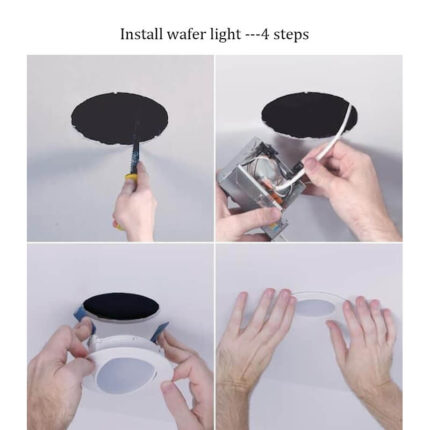
Installation von Wafer-Lichtern
Zunächst einmal, Wafer-Leuchten sind für eine schnelle und einfache Installation konzipiert. Typischerweise, Der Prozess umfasst:
- Schneiden Sie ein kleines Loch in die Decke
- Anschließen der Verkabelung an eine Anschlussdose
- Befestigung der Leuchte mit Federklammern
Weil keine Unterbringung erforderlich ist, Die Installation ist viel schneller und sauberer. Infolge, Wafer-Leuchten erfreuen sich besonders großer Beliebtheit bei Umbauprojekten, Keller, und fertige Decken.
Dosenbeleuchtung installieren
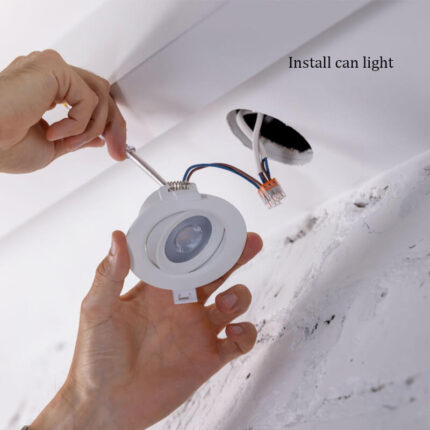
Im Gegensatz, Dosenleuchten erfordern einen traditionelleren Installationsprozess. Allgemein, dazu gehört:
- Einbau des Einbaugehäuses zwischen Deckenbalken
- Verlegen elektrischer Leitungen durch die Struktur
- Installation von Trockenbauwänden um das Gehäuse herum
- Zierleiste hinzufügen und Glühlampe einsetzen
daher, Dosenleuchten werden typischerweise bei Neubauten installiert, wenn die Deckenkonstruktion noch offen und zugänglich ist.
Schneller Installationsvergleich
| Installationsfaktor | Wafer-Lichter | Dosenlichter |
|---|---|---|
| Wohnraum erforderlich | NEIN | Ja |
| Installationsgeschwindigkeit | Schnell | Langsamer |
| Nachrüstbar | Ja | Beschränkt |
| Arbeitskosten | Untere | Höher |
| Zugang zur Decke erforderlich | Minimal | Bedeutsam |
5. Abschließende Zusammenfassung
Abschließend, Sowohl Wafer-Leuchten als auch Dosenleuchten sind hervorragende Einbaubeleuchtungslösungen, Sie sind jedoch für unterschiedliche Bedürfnisse konzipiert.
Einerseits, Wafer-Lichter sind ideal, wenn Sie ein modernes Design wünschen, Low-Profile-Design, einfachere Installation, und hohe Energieeffizienz – insbesondere bei Renovierungsprojekten oder Räumen mit begrenzter Deckentiefe.
Auf der anderen Seite, kann Lichter sind besser geeignet, wenn Sie langfristige Flexibilität bevorzugen, austauschbare Leuchtmittel, und mehr Optionen zur individuellen Beleuchtungsanpassung, insbesondere im Neubau.
Letztlich, Es gibt keine einzelne „beste“ Option. Stattdessen, Die richtige Wahl hängt von Ihrer Deckenkonstruktion ab, Budget, Installationsbedingungen, und Designvorlieben. Indem wir diese Unterschiede verstehen, Sie können getrost die Einbaubeleuchtungslösung wählen, die am besten zu Ihrem Raum und Ihren langfristigen Anforderungen passt.