 English
 العربية
 Français
 Deutsch
 Italiano
 Polski
 Português
 Русский
 Español
 Українська


Can You Use a Higher Wattage Equivalent LED Bulb? Everything You Need to Know
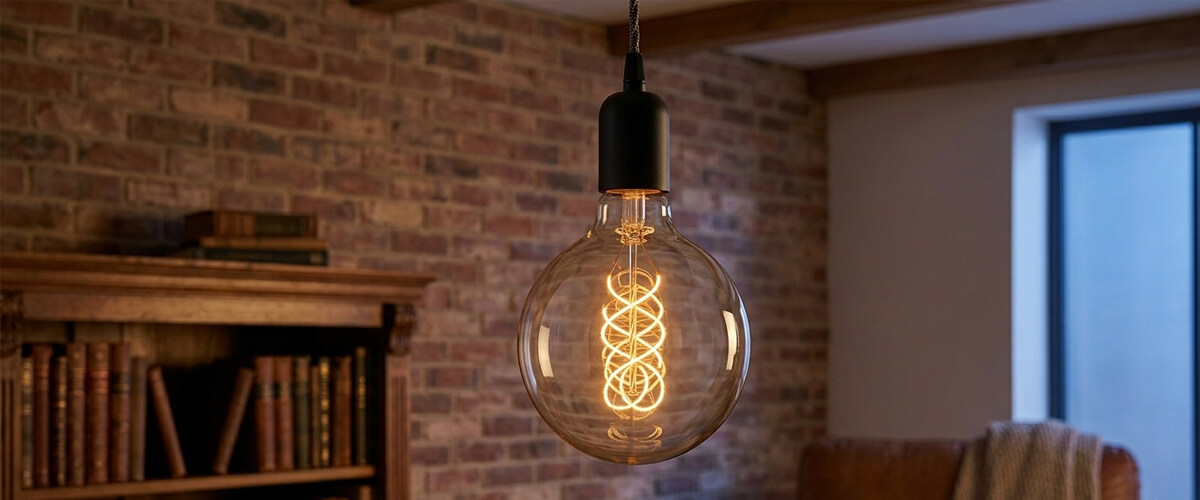
As more homeowners switch from traditional incandescent bulbs to LED lighting, one question comes up again and again:
Can I safely use an LED bulb with a higher wattage equivalent than my light fixture allows?
The short answer is yes—in most cases, you can.
However, there are a few important details you should know before choosing a brighter LED bulb. In this guide, we’ll explain how wattage equivalents work, why LEDs are so energy-efficient, how to choose the right brightness, and what role CRI plays in lighting quality.
Can You Use a Higher Wattage Equivalent LED Bulb?
Yes, you can use an LED bulb with a higher wattage equivalent than your fixture’s rating—as long as the LED’s actual power consumption is below the fixture’s maximum wattage limit.
This is where many people get confused.
For example, if you see a package labeled “100W Equivalent LED,” it does not mean the bulb consumes 100 watts of electricity.
Instead, it simply means the LED produces roughly the same brightness as a traditional 100-watt incandescent bulb, while using far less energy.
Here’s a simple example:
| Bulb Type | Brightness | Actual Power Consumption |
|---|---|---|
| 60W Incandescent | About 800 lumens | 60W |
| 9W LED | About 800 lumens | 9W |
| 14W LED | About 1,600 lumens | 14W |
| 20W LED | About 2,600 lumens | 20–30W (depending on model) |
Because LED bulbs consume much less electricity, they generate significantly less heat than incandescent bulbs.
Why Fixture Wattage Ratings Still Matter
You may have noticed a label inside your light fixture that says:
“Maximum 60 Watts.”
Originally, this warning was designed for incandescent bulbs, which convert most of their energy into heat rather than light. Excessive heat can damage the socket, wiring, or fixture.
Fortunately, LED bulbs operate much cooler.
For example, installing a 100W equivalent LED that actually consumes only 14 watts is generally safe in a fixture rated for 60 watts, because the actual electrical load remains well below the fixture’s limit.
However, there is one important exception.
Some high-output LED bulbs are not suitable for enclosed fixtures or very small light fittings.
Although LEDs produce much less heat than incandescent bulbs, they still generate heat inside their electronic driver. In enclosed fixtures with poor ventilation, the heat cannot escape efficiently, causing the LED components to age faster.
For instance, using a 14W (100W equivalent) LED bulb inside a compact enclosed fixture designed for smaller lamps may shorten the bulb’s lifespan, even though the wattage is within the safe electrical limit.
Tip: Always check whether the LED bulb is rated for enclosed fixture use before installation.
Why Are LED Bulbs So Energy Efficient?
One of the biggest advantages of LED technology is its incredible energy efficiency.
Traditional incandescent bulbs create light by heating a tungsten filament until it glows. Unfortunately, most of the electricity is converted into heat, not visible light.
In fact, only a small portion of the energy actually becomes usable illumination.
LED bulbs work very differently.
Instead of producing light through heat, LEDs generate light using semiconductor technology. As a result, they produce very little infrared or ultraviolet radiation and convert a much higher percentage of electricity directly into visible light.
This means LED bulbs offer several major benefits:
- Use up to 80–90% less electricity
- Produce far less heat
- Last significantly longer
- Lower electricity bills
- Reduce maintenance and replacement costs
That’s why LED lighting has become the preferred choice for homes, offices, hotels, restaurants, and commercial buildings worldwide.
Don’t Shop by Watts—Shop by Lumens
When buying LED bulbs, brightness is measured in lumens, not watts.
Watts tell you how much electricity a bulb consumes.
Lumens tell you how much light it actually produces.
Here is a quick reference:
| LED Lumens | Approximate Incandescent Equivalent |
|---|---|
| 450 lm | 40W |
| 800 lm | 60W |
| 1,100 lm | 75W |
| 1,600 lm | 100W |
| 2,600 lm | 150W |
For example:
- An 800-lumen LED provides about the same brightness as a traditional 60W incandescent bulb, while using only around 8–10 watts.
- A 2,600-lumen LED can replace a 150W incandescent bulb, yet typically consumes only 20–30 watts.
As long as the LED’s actual wattage stays below your fixture’s maximum rating and the bulb is suitable for the fixture type, you can safely enjoy much brighter lighting without dramatically increasing energy consumption.
Brightness Isn’t Everything—Choose a High CRI LED
Brightness is only part of good lighting.
The Color Rendering Index (CRI) measures how accurately a light source reveals the true colors of objects compared with natural daylight.
A higher CRI makes colors appear richer, more vibrant, and more natural. Here we make a comparison for different CRI dates, so you may have a better understanding of this date.
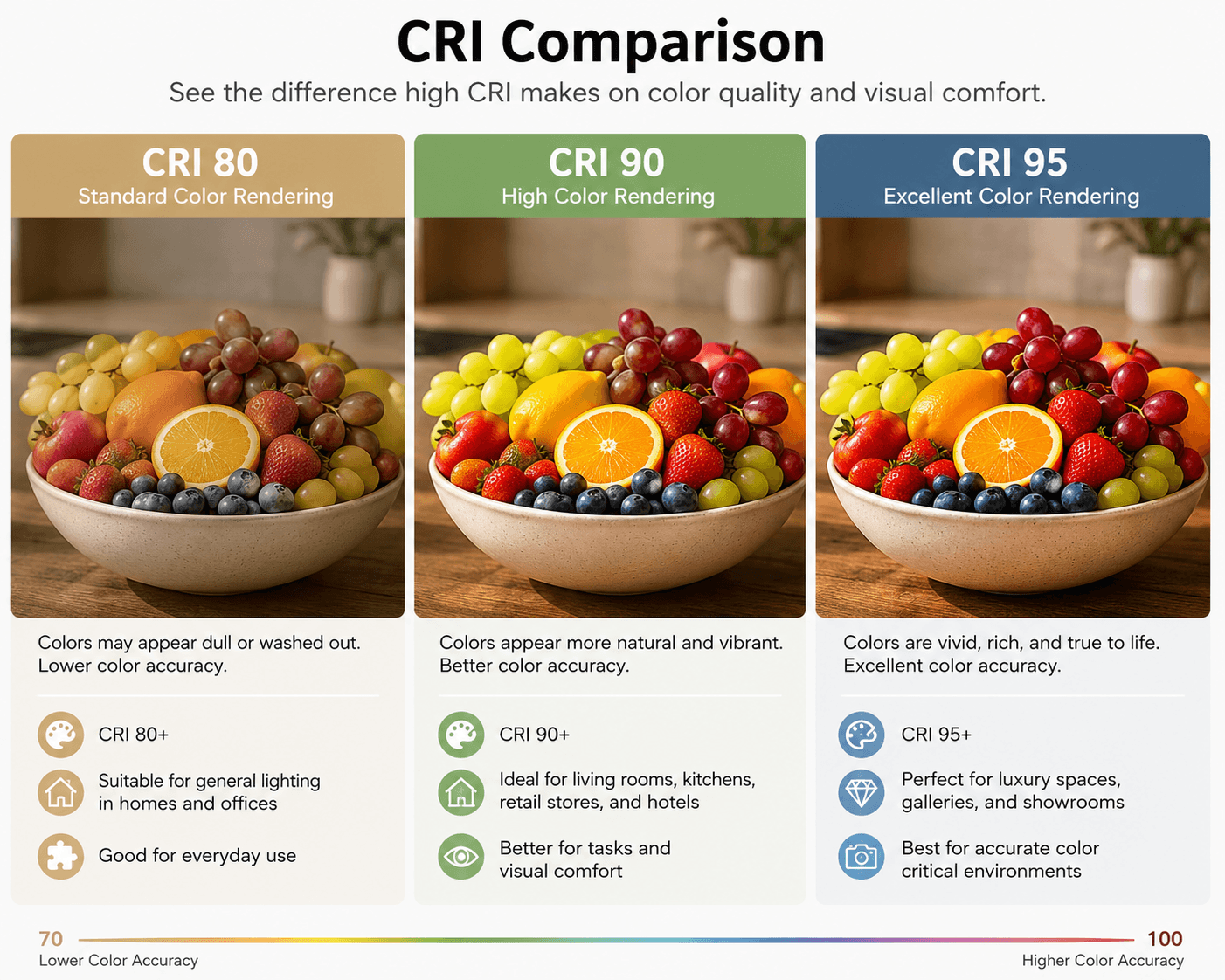
Generally speaking:
- CRI 80: Suitable for garages, warehouses, and utility areas.
- CRI 90+: Excellent for kitchens, living rooms, bedrooms, offices, retail stores, and hospitality spaces.
- CRI 95+: Premium lighting quality for photography, artwork, luxury retail, and professional applications.
If you want your home to feel brighter, more comfortable, and more natural, choosing a CRI 90+ LED bulb is highly recommended.
Frequently Asked Questions (FAQ)
1. Can I use a 100W equivalent LED bulb in a fixture rated for 60W?
Yes. If the LED bulb only consumes around 14 watts, it is generally safe because the fixture rating refers to actual power consumption, not incandescent equivalent brightness. Just make sure the bulb is suitable for enclosed fixtures if applicable.
2. Will a higher wattage equivalent LED increase my electricity bill?
Not significantly. A higher wattage equivalent simply means the bulb produces more light. Even a 150W equivalent LED typically uses only 20–30 watts, making it far more efficient than traditional incandescent lighting.
3. What should I pay attention to when buying LED bulbs?
Besides brightness (lumens), consider:
- Actual wattage
- Color temperature (Warm White, Neutral White, or Daylight)
- CRI rating (choose CRI 90+ whenever possible)
- Whether the bulb is dimmable
- Whether it is rated for enclosed fixtures
- Base type (E26, E27, E12, E14, etc.)
Choosing the right combination ensures better performance, comfort, and longer service life.
Looking for High-Quality LED Bulbs?
At Huiyee Lighting, we specialize in manufacturing premium LED bulbs for customers around the world.
Our products feature:
- ✔ High CRI 90+ for natural, vibrant colors
- ✔ Excellent energy efficiency
- ✔ Long service life
- ✔ Stable brightness with minimal flicker
- ✔ Multiple wattages, color temperatures, and base options
- ✔ OEM & ODM customization services
- ✔ Strict quality control and international certifications
Whether you’re a wholesaler, distributor, retailer, or project contractor, we offer reliable LED lighting solutions backed by professional manufacturing and responsive customer support. And we have been in this lighting field for more than 10 years, we are rich in export business
Contact us today to learn more about our high-quality LED bulbs and discover the perfect lighting solution for your business.
Final Thoughts
Using a higher wattage equivalent LED bulb is usually safe and practical, provided the bulb’s actual power consumption stays below your fixture’s maximum wattage rating.
Instead of focusing on wattage alone, compare lumens to determine brightness, verify compatibility with enclosed fixtures, and choose CRI 90+ bulbs for superior color accuracy and visual comfort.
By understanding these simple principles, you can enjoy brighter, more efficient lighting while reducing energy costs and extending the lifespan of your lighting system. Investing in high-quality LED bulbs today means better performance, greater savings, and a more comfortable home for years to come.