 English
 العربية
 Français
 Deutsch
 Italiano
 Polski
 Português
 Русский
 Español
 Українська


ما هو الاتجاه في 2025 الثريات?
Chandeliers no longer serve only as decorative ceiling fixtures — in 2025, they function as multifunctional design statements that combine art, technology, and lifestyle performance. Today’s designers and homeowners actively choose chandeliers that deliver visual impact, smart control, and layered illumination. From sculptural minimalism and natural materials to oversized architectural forms and intelligent systems, chandelier trends now move toward personalization, performance, and spatial storytelling. If you plan a renovation, develop a lighting product line, or upgrade your interior, understanding the 2025 chandelier trends helps you choose a fixture that feels current and future-ready.
أقل, you’ll find a complete, connected guide to what defines chandelier design in 2025 — and what comes next.
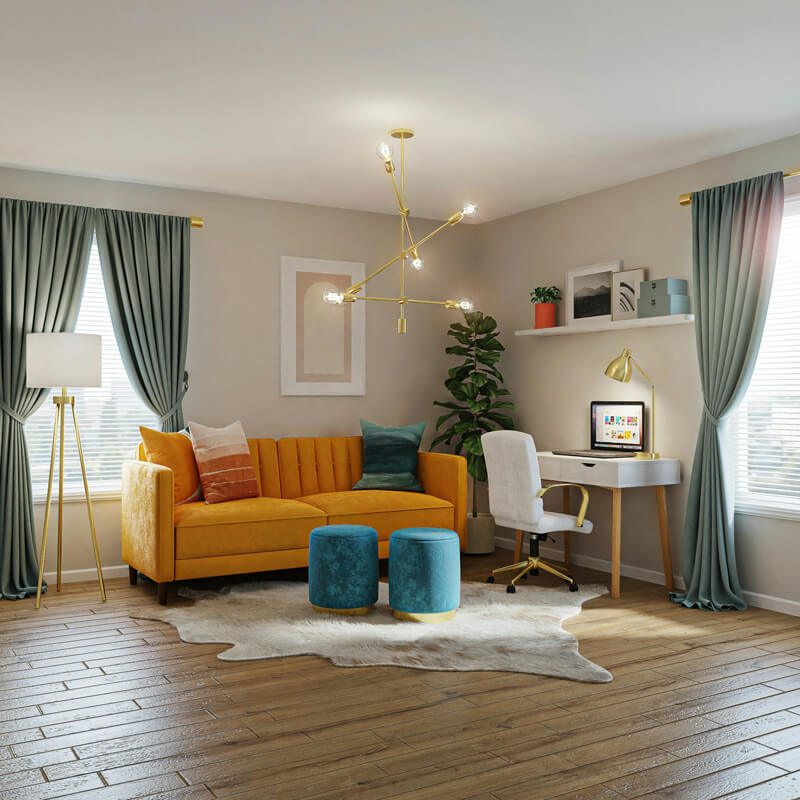
لماذا 2025 Is a Turning Point for Chandelier Design
أولاً, chandelier design has shifted from pure decoration to lifestyle lighting. Designers now treat chandeliers as functional centerpieces rather than optional ornaments. As smart homes, open layouts, and wellness lighting gain popularity, homeowners expect more from overhead fixtures.
في نفس الوقت, architects design more open-plan spaces with higher ceilings and larger sightlines. Because of this shift, chandeliers now anchor the visual identity of a room. Instead of adding lighting at the end of a project, design teams now plan chandelier placement from the beginning.
علاوة على ذلك, hospitality and luxury retail continue to influence residential lighting choices. Hotels and boutique commercial spaces showcase dramatic chandelier installations, and homeowners increasingly adopt the same layered, experiential approach at home.
The Rise of Sculptural Minimalism in Modern Chandeliers
في أثناء, minimalism continues to evolve rather than disappear. In 2025, sculptural minimalism leads modern chandelier design. Instead of heavy ornamentation, designers create bold impact through clean geometry and strong proportion.
على سبيل المثال, linear chandeliers, ring forms, intersecting bars, and floating frames dominate new collections. These shapes reduce visual clutter while still commanding attention. نتيجة ل, the fixture looks intentional rather than busy.
فضلاً عن ذلك, manufacturers now engineer slimmer structures and hidden mounting systems to create weightless visual effects. Thin suspension cables and concealed drivers help chandeliers appear to float in space.
بالتالي, sculptural minimalist chandeliers perform especially well in dining rooms, kitchen islands, modern living rooms, and contemporary workspaces where clarity and structure matter.
Natural Materials and Earth-Driven Finishes Taking Center Stage
في نفس الوقت, material trends move toward warmth and tactility. Instead of polished chrome and mirror finishes, designers now favor brushed brass, aged bronze, and layered mixed metals.
بالإضافة إلى, brands increasingly introduce natural and textural materials into chandelier design. Alabaster, stone, ceramic, linen diffusers, and textured glass now appear in more product lines. These materials soften glare and enrich the fixture’s daytime appearance.
Wood accents also gain momentum, particularly in organic-modern and Japandi interiors. Rather than building entire chandeliers from wood, designers combine wood elements with metal frames to maintain strength and balance.
نتيجة ل, buyers now evaluate chandeliers by texture and craftsmanship — not just by shape and size.
Smart Chandeliers and Integrated Lighting Technology
فضلاً عن ذلك, smart technology now plays a central role in chandelier development. Manufacturers actively integrate app control, scene setting, and voice assistant compatibility into new models.
الأهم من ذلك, dimming has become a baseline expectation. Beyond that, many premium chandeliers now include tunable white technology that lets users adjust color temperature throughout the day.
Instead of relying only on exposed bulbs, many contemporary chandeliers now use integrated LED systems. These built-in light engines deliver slimmer profiles, smoother diffusion, and longer operational life. Nevertheless, decorative bulb chandeliers still remain popular in vintage and transitional styles.
لذلك, buyers now compare chandeliers not only by style, but also by control features and lighting quality.
Oversized Chandeliers as Architectural Statements
في نفس الوقت, chandelier scale continues to increase. Designers now use oversized chandeliers to define architectural volume and create focal drama.
على سبيل المثال, large multi-tier chandeliers and cascading drop installations frequently appear in double-height foyers and open living areas. لكن, designers balance size with visual lightness by using open frames and transparent materials.
الأهم من ذلك, professionals size chandeliers according to room volume, ارتفاع السقف, and furniture layout — not only floor area. When designers follow proper scale rules, large chandeliers feel curated and proportional rather than overwhelming.
بالتالي, statement chandeliers now function as architectural elements, not just lighting fixtures.
Artistic and Custom-Inspired Chandelier Designs
Beyond scale and technology, artistic expression also drives chandelier trends. Designers increasingly create chandeliers that double as sculptural art pieces.
على سبيل المثال, asymmetrical layouts, irregular spacing, and handcrafted details now appear more frequently. Glass cluster and bubble chandeliers continue to evolve with layered compositions and tonal variation.
في نفس الوقت, customization becomes more accessible. Many brands now offer configurable arms, adjustable drops, and modular cluster systems. Designers can tailor these chandeliers to specific projects instead of forcing standard layouts.
نتيجة ل, custom-inspired chandeliers help projects stand out in a competitive design landscape.
Layered Light: Chandeliers That Work with Other Fixtures
في أثناء, lighting designers strongly emphasize layered lighting strategies. Instead of relying on a chandelier alone, they combine multiple fixture types to achieve balance and comfort.
على سبيل المثال, designers pair chandeliers with recessed lights, إضاءة الخليج, and wall sconces to reduce shadows and glare. In kitchens and dining areas, they coordinate chandeliers with pendants and task lighting.
Because of this layered approach, chandeliers now deliver more ambient and decorative light rather than acting as the sole illumination source.
لذلك, successful chandelier selection now depends on how well the fixture works within the full lighting plan.
Color Trends in 2025 Chandelier Palettes
In terms of color and finish, warmer tones lead the 2025 chandelier market. Soft gold, champagne brass, and muted bronze finishes appear across many new releases.
في نفس الوقت, matte black remains relevant, especially when designers pair it with warm metallic accents. This combination creates contrast without harshness.
Glass colors also diversify. Smoked, amber, and tea-tinted glass shades add mood and depth. في أثناء, frosted white glass continues to support minimalist interiors.
بالإضافة إلى ذلك, some designers now choose ceiling-blend chandeliers with finishes that match the ceiling color. This strategy creates a subtle, integrated look instead of a strong contrast.
Sustainability and Energy Efficiency Driving Purchase Decisions
بنفس القدر من الأهمية, sustainability now influences chandelier purchasing decisions. Buyers actively look for LED-first designs that reduce energy consumption and maintenance frequency.
Manufacturers also promote recyclable metals, responsibly sourced materials, and modular construction. These strategies allow users to replace components instead of discarding entire fixtures.
علاوة على ذلك, environmental certifications and transparency reports increase buyer confidence — especially in commercial and hospitality projects.
نتيجة ل, eco-conscious design has moved from niche preference to mainstream expectation.
Room-by-Room Chandelier Trends for 2025
Different spaces now call for different chandelier strategies. Designers select fixtures according to room function and visual priority.
في غرف الطعام, linear chandeliers deliver even table illumination and low glare.
في غرف المعيشة, sculptural chandeliers create focal presence and visual identity.
في غرف النوم, soft-diffused chandeliers support relaxation and comfort.
In kitchens, hybrid chandelier-pendant designs provide both decoration and task performance.
In entryways, vertical cascading chandeliers emphasize height and arrival drama.
لذلك, room context now guides chandelier choice more than ever before.
How to Choose a Trend-Forward Chandelier Without Dating Your Space
لكن, following trends does not require risky choices. Smart buyers separate timeless structure from trend-driven details.
على سبيل المثال, simple silhouettes tend to age better than overly thematic designs. Buyers can adopt a trend through finish, glass color, or material accents instead of the core structure.
فضلاً عن ذلك, proper sizing and placement outlast style cycles. A well-proportioned chandelier rarely looks outdated.
Design professionals often recommend bold choices in easily replaceable areas and restrained choices in permanent installations.
What to Expect Next: Where Chandelier Design Is Heading Beyond 2025
نتطلع إلى الأمام, chandelier design continues to merge with digital and responsive systems. Designers increasingly explore interactive lighting behavior and adaptive output.
في نفس الوقت, engineers reduce visible hardware and improve floating installation techniques. Modular chandelier ecosystems will likely expand, allowing users to add or rearrange elements over time.
بالتالي, chandeliers will continue evolving from static fixtures into responsive design tools.
Trend Forecast: What Will Define Chandelier Design in 2026
أخيراً, 2026 chandelier trends will likely push personalization and intelligence even further. Manufacturers will offer more configurable chandelier platforms that users can rearrange after installation.
AI-assisted lighting scenes will automatically adjust brightness and color tone based on time and activity. في أثناء, sustainable innovation will expand into bio-based materials and advanced recycling systems.
Ultra-slim structural frames will deliver higher lumen output with lighter visual mass. فضلاً عن ذلك, hybrid fixtures will combine chandelier lighting with acoustic panels, أجهزة الاستشعار, and smart environmental controls.
الأهم من ذلك, modular and upgradeable chandelier systems will gain momentum, allowing long-term evolution instead of full replacement — marking the next major stage in chandelier design.
لمزيد من المعلومات, الثابتة والمتنقلة اتصل بنا مباشرة.