 English
 العربية
 Français
 Deutsch
 Italiano
 Polski
 Português
 Русский
 Español
 Українська


أضواء الرقاقة مقابل. يمكن أضواء: ما هو الفرق وأيهما يجب أن تختار?
عند التخطيط لترقية الإضاءة, يمكن أن يؤدي اختيار الإضاءة المناسبة إلى إحداث فرق كبير في شكل وأداء مساحتك. اليوم, اثنين من الخيارات الأكثر شيوعاً أضواء رقاقة و يمكن أضواء.
على الرغم من أن كلاهما يوفران نظافة, إضاءة السقف المدمجة, لقد تم بناؤها بشكل مختلف وتخدم أغراضًا مختلفة قليلاً. لذا, لمساعدتك على اتخاذ قرار واثق, سنقوم بتفصيل تعريفاتهم, سمات, المزايا, طرق التثبيت, والاختلافات الرئيسية في بسيطة, طريقة سهلة الفهم.
1. ما هي أضواء الرقاقة وأضواء العلب?
لتبدأ, من المهم أن تعرف ما هو كل نوع من أنواع الإضاءة في الواقع.
ما هي أضواء الرقاقة?
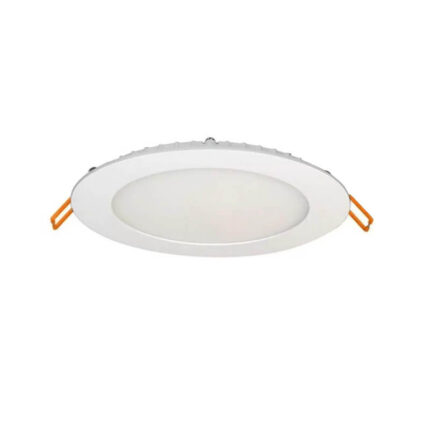
أضواء الويفر, كثيرا ما يطلق عليه أضواء راحة لا يمكن, عبارة عن تركيبات LED رفيعة للغاية مصممة لتتناسب تقريبًا مع السقف. على عكس الأنظمة التقليدية المريحة, أنها لا تتطلب السكن المعدني (يستطيع).
بدلاً من, يتم توصيلها مباشرة بصندوق التوصيل ويتم تثبيتها في فتحة سقف صغيرة. بسبب هذا الهيكل المبسط, تعتبر مصابيح الويفر مفيدة بشكل خاص في المساحات ذات عمق السقف المحدود أو في المشاريع التحديثية حيث يكون من الصعب تركيب مبيت كامل.
ما هي أضواء العلبة?
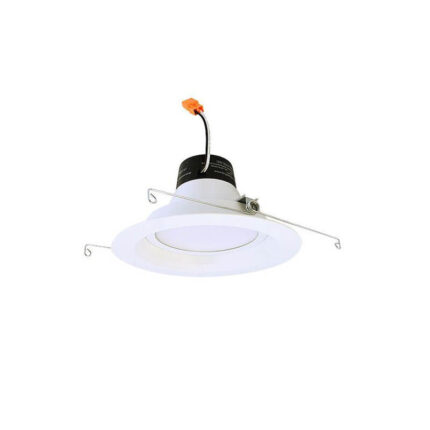
في المقابل, يمكن أضواء (المعروف أيضا باسم أضواء راحة أو النازل) استخدم غلافًا معدنيًا أسطوانيًا مثبتًا داخل هيكل السقف.
يوجد المصباح داخل هذا السكن ومغطى بزخرفة. على عكس أضواء الرقاقة, تسمح مصابيح Can Lights للمستخدمين باستبدال المصابيح والاختيار من بين مجموعة واسعة من الزخارف وتأثيرات الإضاءة.
2. الميزات الرئيسية لأضواء الويفر وأضواء العلب
الآن بعد أن فهمنا الأساسيات, دعونا نلقي نظرة على كيفية أداء كل نوع من أنواع الإضاءة في الاستخدام الحقيقي.
ميزات ضوء الرقاقة
تم تصميم مصابيح الويفر مع مراعاة البساطة والكفاءة الحديثة. بخاصة, يقدمون:
- رقيقة جدا, تصميم موفر للمساحة
- لا حاجة للسكن راحة
- تقنية LED المتكاملة
- كفاءة عالية في استخدام الطاقة
- تركيب تحديثي سهل
- ينظف, الحد الأدنى من مظهر السقف
- عمر طويل (ما يصل الى 50,000 ساعات)
يمكن أن ميزات الضوء
على الجانب الآخر, تم تصميم مصابيح العلبة لتحقيق المرونة والتخصيص على المدى الطويل. وتشمل ميزاتها الرئيسية:
- نظام الإسكان التقليدي المريح
- المصابيح القابلة للاستبدال (قاد, الهالوجين, CFL)
- مجموعة واسعة من أنماط القطع
- خيارات الإضاءة القابلة للتعديل والاتجاه
- توافق قوي مع البناء الجديد
- ترقيات لمبة سهلة مع مرور الوقت
3. مقارنة المزايا والعيوب
عند هذه النقطة, من المفيد مقارنة الخيارين جنبًا إلى جنب لفهم نقاط القوة والقيود الخاصة بهما بشكل أفضل.
| ميزة | أضواء الويفر | يمكن أضواء |
|---|---|---|
| تثبيت | بسيطة وسريعة | أكثر تعقيدا |
| مساحة السقف مطلوبة | الحد الأدنى | هناك حاجة لمزيد من العمق |
| التكلفة الأولية | أدنى | أعلى |
| كفاءة الطاقة | ممتاز | جيد إلى جيد جدًا |
| مرونة التصميم | محدود | مرنة للغاية |
| صيانة | قليل | معتدل |
| استبدال اللمبة | تم استبدال التركيبة بالكامل | لمبة فقط |
| عمر | حتى 50,000 ساعات | يختلف حسب المصباح |
| ملاءمة التحديثية | ممتاز | معتدل |
| استخدام البناء الجديد | جيد | ممتاز |
أضواء الويفر – إيجابيات وسلبيات
لتلخيص, توفر أضواء الرقاقة مزايا قوية في التركيبات الحديثة. أولاً, فهي سهلة التركيب للغاية. فضلاً عن ذلك, فهي ذات كفاءة عالية في استخدام الطاقة ومثالية لمساحات السقف الضيقة.
لكن, على الجانب السلبي, يجب استبدال الجهاز بالكامل عندما يصل مؤشر LED إلى نهاية عمره الافتراضي. علاوة على ذلك, خيارات تخصيص التصميم محدودة أكثر مقارنة بأضواء العلب.
أضواء يمكن - إيجابيات وسلبيات
بالمقارنة, يمكن أن توفر الأضواء مرونة أكبر. على سبيل المثال, يمكنك بسهولة استبدال المصابيح والاختيار من بين أنماط القطع المتعددة. فضلاً عن ذلك, يتم استخدامها على نطاق واسع في مشاريع البناء الجديدة.
لكن, أنها تتطلب المزيد من جهد التثبيت. بالإضافة إلى, إنهم بحاجة إلى مزيد من عمق السقف, مما قد يؤدي إلى ارتفاع تكاليف التثبيت مقدمًا.
4. طرق التثبيت والاختلافات الرئيسية
التالي, دعونا نلقي نظرة فاحصة على كيفية تثبيت كل نوع من أنواع الإضاءة, نظرًا لأن هذا غالبًا ما يكون عاملاً حاسماً للعديد من أصحاب المنازل والمقاولين.
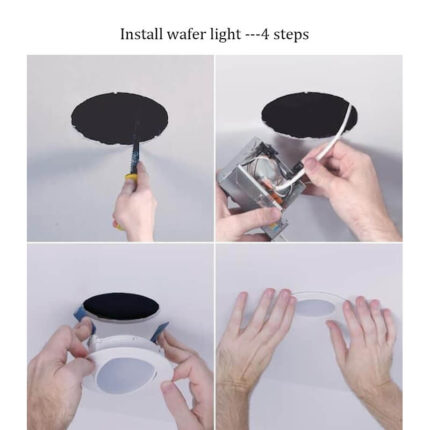
تركيب أضواء الويفر
لتبدأ, تم تصميم مصابيح الويفر للتركيب السريع والبسيط. عادة, تتضمن العملية:
- قطع ثقب صغير في السقف
- توصيل الأسلاك بصندوق التوصيل
- تأمين الضوء بمشابك زنبركية
لأنه لا يشترط السكن, التثبيت أسرع وأنظف بكثير. نتيجة ل, تحظى مصابيح الويفر بشعبية خاصة في مشاريع إعادة التصميم, الأقبية, والأسقف الجاهزة.
تركيب أضواء العلبة
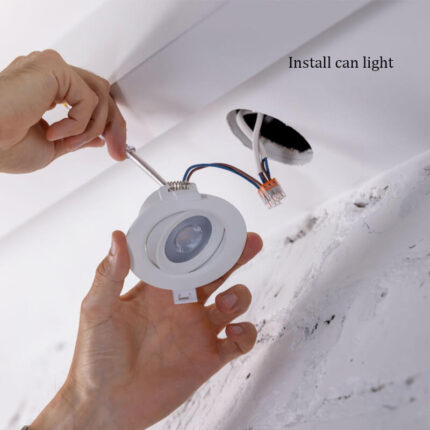
في المقابل, يمكن أن تتطلب الأضواء عملية تثبيت أكثر تقليدية. عمومًا, وهذا يشمل:
- تركيب السكن راحة بين روافد السقف
- تشغيل الأسلاك الكهربائية من خلال الهيكل
- تركيب الحوائط الجافة حول السكن
- إضافة تقليم وإدخال المصباح
لذلك, عادةً ما يتم تثبيت مصابيح العلبة أثناء البناء الجديد عندما يكون هيكل السقف مفتوحًا ويمكن الوصول إليه.
مقارنة التثبيت السريع
| عامل التثبيت | أضواء الويفر | يمكن أضواء |
|---|---|---|
| مطلوب السكن | لا | نعم |
| سرعة التثبيت | سريع | أبطأ |
| التحديثية ودية | نعم | محدود |
| تكلفة العمالة | أدنى | أعلى |
| الوصول إلى السقف مطلوب | الحد الأدنى | بارِز |
5. الملخص النهائي
ختاماً, تعد كل من مصابيح الرقاقة ومصابيح العلب من حلول الإضاءة المريحة الممتازة, لكنها مصممة لتلبية الاحتياجات المختلفة.
من ناحية, أضواء رقاقة مثالية إذا كنت تريد الحديثة, تصميم منخفض المستوى, تركيب أسهل, وكفاءة عالية في استخدام الطاقة، خاصة في مشاريع التجديد أو المساحات ذات عمق السقف المحدود.
على الجانب الآخر, يمكن أضواء تكون أكثر ملاءمة إذا كنت تفضل المرونة على المدى الطويل, مصابيح قابلة للاستبدال, والمزيد من خيارات تخصيص الإضاءة, وخاصة في البناء الجديد.
أخيرًا, لا يوجد خيار "أفضل" واحد. بدلاً من, الاختيار الصحيح يعتمد على هيكل السقف الخاص بك, ميزانية, شروط التثبيت, وتفضيلات التصميم. من خلال فهم هذه الاختلافات, يمكنك بكل ثقة اختيار حل الإضاءة المريح الذي يناسب مساحتك واحتياجاتك طويلة المدى.