 English
 العربية
 Français
 Deutsch
 Italiano
 Polski
 Português
 Русский
 Español
 Українська


تاريخ أنماط الإضاءة خمر: دليل كامل لتصميم الإضاءة الكلاسيكية
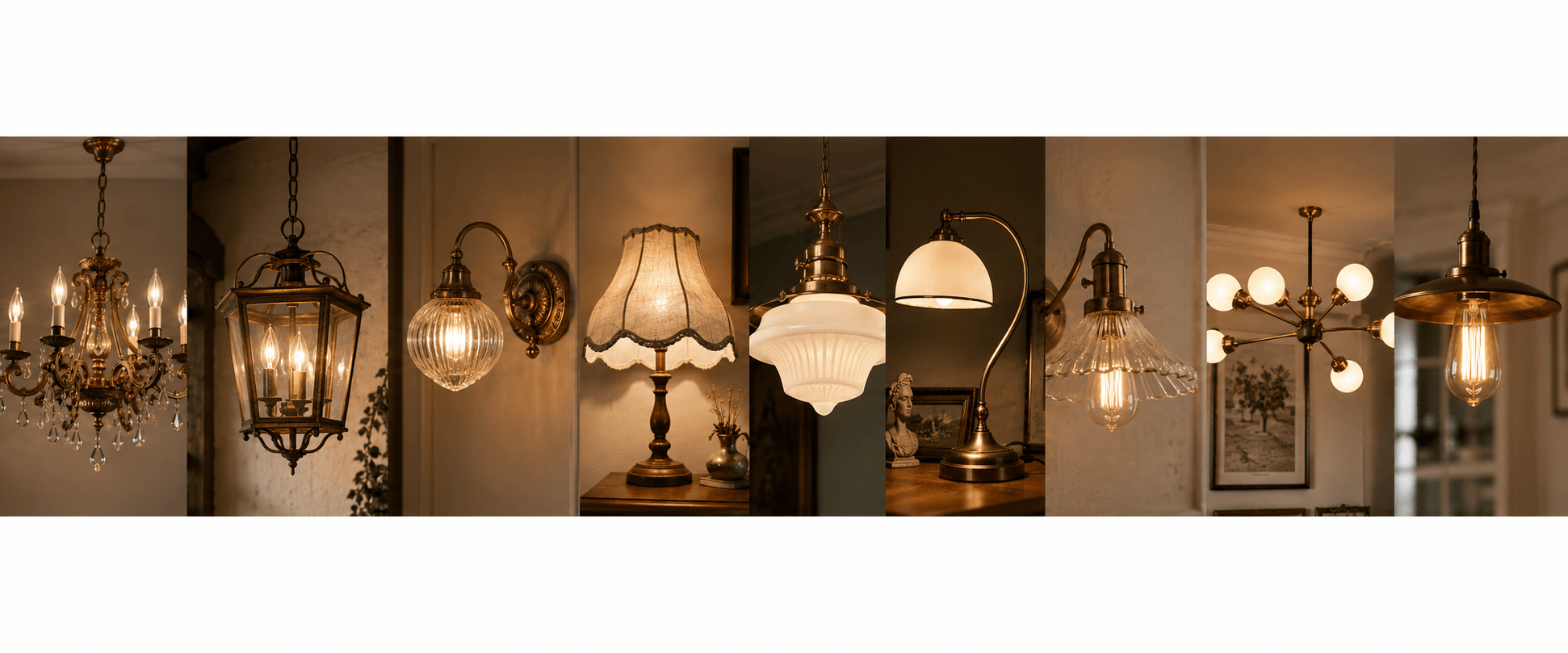
قد يكون التسوق لشراء الإضاءة عبر الإنترنت مرهقًا في بعض الأحيان. مصطلحات مثل مقاطعة فرنسية, آرت ديكو, منتصف القرن الحديث, و تقليلية تظهر في كل مكان, ولكن ماذا يقصدون في الواقع? والأهم من ذلك, ما هو نمط الإضاءة الكلاسيكي الذي يناسب منزلك؟?
لحسن الحظ, إن فهم حركات التصميم هذه أسهل بكثير مما يبدو. يعكس كل نمط فترة تاريخية فريدة من نوعها, كاملة بموادها الخاصة, براعة, وفلسفة التصميم. حتى اليوم, تظل أنماط الإضاءة الخالدة هذه شائعة لأنها تمزج بين الجماليات الكلاسيكية والحياة العصرية بسهولة.
في هذا الدليل, سنستكشف التاريخ وراء أربعة من أنماط الإضاءة القديمة الأكثر تأثيرًا, شرح خصائصها المميزة, يوصي بأفضل المواد, ومساعدتك في تحديد أي منها يناسب مساحتك.
إضاءة المقاطعات الفرنسية (17القرن الثامن عشر)
نشأت الإضاءة الإقليمية الفرنسية في ريف فرنسا خلال القرنين السابع عشر والثامن عشر. في ذلك الوقت, أعجبت العائلات الثرية التي تعيش خارج باريس بالمفروشات الفاخرة الموجودة في المساكن الملكية ولكنها أرادت بدائل أكثر عملية وبأسعار معقولة. استجاب الحرفيون المحليون المهرة من خلال إنشاء أثاث وإضاءة أنيقة مستوحاة من تصميمات القصر مع تبسيط الزخرفة المتقنة.
اليوم, أصبحت الإضاءة الإقليمية الفرنسية مفضلة لأصحاب المنازل الذين يقدرون الأناقة الخالدة. انها دافئة, المظهر الترحيبي يتماشى بشكل جميل مع المزرعة, كوخ, ريفي, والديكورات الداخلية التقليدية.
الخصائص الرئيسية
تشتهر الإضاءة الإقليمية الفرنسية بجمالها الراقي والبسيط. بدلاً من أن تكون زخرفية بشكل مفرط, فهو يركز على الحرفية والتفاصيل الرشيقة.
وتشمل الميزات المشتركة:
- منحنيات ناعمة وصور ظلية متدفقة
- التشطيبات المتعثرة أو العتيقة
- التمرير الزخرفية
- أذرع على شكل شمعة
- تصميمات مستوحاة من الفانوس أو القفص
- ظلال الكتان أو القماش
- لمسات من النحاس الدافئ أو الحديد المطاوع
المواد الموصى بها
لتحقيق مظهر المقاطعة الفرنسية الأصيلة, النظر في مواد مثل:
- الجوز
- بلوط
- خشب الكرز
- خشب الزان
- الحديد المطاوع
- النحاس
- الكتان
- الزجاج الشفاف أو المصنف
المعلقات فانوس, الثريات الريفية, وشمعدانات الحائط المظللة بالقماش تكمل هذا النمط بشكل جيد للغاية. المفتاح هو اختيار القطع التي تبدو أنيقة دون أن تبدو مزخرفة بشكل مفرط.
الأفضل ل
إذا كنت ترغب في إنشاء مريح, منزل ترحيبي مليء بالسحر التقليدي, تعتبر الإضاءة الإقليمية الفرنسية خيارًا ممتازًا. إنه يعمل بشكل جيد بشكل خاص في مطابخ المزرعة, غرف الطعام, المداخل, غرف نوم, والبيوت الريفية, حيث تساعد التشطيبات الخشبية الدافئة والإضاءة الناعمة على خلق أجواء مريحة, جو جذاب.
إضاءة آرت ديكو (1920ق - الثلاثينيات)
مع دخول التصميم في العشرينات الصاخبة, تحولت الأذواق بشكل كبير. بدلاً من التركيز على الحرف التقليدية وحدها, احتضن آرت ديكو الفخامة, ابتكار, والتصنيع الحديث. أصبحت تركيبات الإضاءة أعمالاً فنية زخرفية بدلاً من مجرد توفير الإضاءة.
بالتالي, تظل إضاءة آرت ديكو واحدة من أكثر الأساليب القديمة شهرةً اليوم.
الخصائص الرئيسية
يتم الاحتفال بإضاءة آرت ديكو لهندستها الجريئة وتشطيباتها الساحرة.
وتشمل عناصر التصميم النموذجية:
- أنماط متناظرة
- الأشكال الهندسية
- الصور الظلية مبسطة
- كرات زجاجية بلوري أو بيضاء
- تشطيبات من الكروم والنحاس المصقول
- إضاءة الطبقات
- تفاصيل معدنية مزخرفة
- لهجات الذهب
تتميز العديد من تركيبات آرت ديكو الأصلية بظلال على شكل كرة أرضية معلقة من أذرع نحاسية أو كروم أنيقة, خلق مزيج متطور من الشكل والوظيفة.
المواد الموصى بها
تتضمن عادةً إضاءة آرت ديكو الأكثر أصالةً:
- النحاس
- الكروم
- الألومنيوم
- زجاج بلوري
- كريستال
- الصلب الزخرفية
- المعادن المصقولة
تمنح هذه المواد المتميزة تركيبات آرت ديكو مظهرها الفاخر المميز بينما تظل متينة بما يكفي للمنازل الحديثة.
الأفضل ل
إذا كان هدفك هو تقديم بيان تصميم جريء, توفر إضاءة آرت ديكو تطورًا خالدًا. تبدو مذهلة بشكل خاص في غرف الطعام, غرف المعيشة, الممرات, فنادق بوتيك, شقق فاخرة, والحانات المنزلية, حيث تعمل التشطيبات المعدنية والأشكال الهندسية على رفع المساحة الإجمالية على الفور.
الإضاءة البسيطة (أواخر العقد الأول من القرن العشرين حتى الوقت الحاضر)
في أثناء, اتخذت حركة تصميم أخرى اتجاهًا مختلفًا تمامًا. ظهرت بساطتها في أوائل القرن العشرين بفلسفة واحدة بسيطة: أقل هو أكثر.
بدلا من الاعتماد على الديكور, تؤكد الإضاءة البسيطة على الوظيفة, بساطة, ومساحات متوازنة بعناية. يفسر جاذبيته الخالدة سبب بقائه أحد أنماط التصميم الداخلي الأكثر شعبية اليوم.
الخصائص الرئيسية
تركز الإضاءة البسيطة على البساطة دون التضحية بالأداء.
وتشمل الميزات المشتركة:
- خطوط نظيفة
- لمحات ضئيلة
- لوحات الألوان المحايدة
- مصادر الضوء المخفية أو المدمجة
- أشكال هندسية بسيطة
- يفتح, مساحات غير مزدحمة
- تصميم وظيفي
بدلا من لفت الانتباه إلى نفسه, تعمل الإضاءة البسيطة على تحسين الغرفة بهدوء من خلال الإضاءة المتوازنة.
المواد الموصى بها
غالبًا ما تتميز التركيبات البسيطة بمواد حديثة, مشتمل:
- فُولاَذ
- الألومنيوم
- أسمنت
- زجاج
- ماتي الأسود التشطيبات
- خشب طبيعي
تستعير العديد من التركيبات المعاصرة البسيطة أيضًا الإلهام من التصاميم القديمة, الجمع بين الأشكال الكلاسيكية وتقنية LED الموفرة للطاقة اليوم.
الأفضل ل
تعتبر الإضاءة البسيطة مثالية لأصحاب المنازل الذين يقدرون الهندسة المعمارية النظيفة والديكورات الداخلية الخالية من الفوضى. إنه يكمل بشكل طبيعي المنازل الاسكندنافية, الشقق المعاصرة, المكاتب المنزلية, مطابخ, ومساحات معيشة مدمجة من خلال توفير الإضاءة الوظيفية دون التأثير على التصميم العام.
الإضاءة الحديثة في منتصف القرن (منتصف الثلاثينيات – 1965)
على الرغم من أن الاسم يوحي بالخمسينيات, بدأ منتصف القرن الحديث فعليًا في التطور خلال منتصف ثلاثينيات القرن العشرين قبل أن يزدهر طوال الأربعينيات, 1950ق, وأوائل الستينيات.
تأثر بالمصممين من الدنمارك, الدول الاسكندنافية, البرازيل, والولايات المتحدة, ركزت هذه الحركة على الحياة العملية مع الاحتفال بالتصميم الصناعي الجميل. بسبب هذه التأثيرات الاسكندنافية, يستمر منتصف القرن الحديث في الاقتران بشكل طبيعي مع التصميمات الداخلية في بلدان الشمال الأوروبي.
الخصائص الرئيسية
توازن الإضاءة الحديثة في منتصف القرن بين التصميم الفني والوظائف اليومية.
وتشمل خصائصه المميزة:
- منحنيات عضوية
- خطوط هندسية نظيفة
- الحد الأدنى من الزخرفة
- الأشكال النحتية
- ظلال الكرة الأرضية
- الثريات متعددة الضوء
- أذرع مدببة
- مواد متناقضة
غالبًا ما تصبح هذه التركيبات نقاط محورية أنيقة مع الحفاظ على وظائف استثنائية.
المواد الموصى بها
تشتمل الإضاءة الحديثة في منتصف القرن على مجموعة متنوعة من المواد, مشتمل:
- الجوز
- خشب الساج
- خشب متين
- النحاس
- زجاج
- فُولاَذ
- الألومنيوم
- بلاستيك مصبوب
يمنح هذا المزيج من المواد الطبيعية والصناعية الإضاءة الحديثة في منتصف القرن مظهرها القديم المميز.
الأفضل ل
لأصحاب المنازل الذين يستمتعون بتصميمات داخلية مستوحاة من الطراز القديم مع لمسة عصرية, تعد الإضاءة الحديثة في منتصف القرن خيارًا رائعًا. تناسب بشكل جميل في غرف المعيشة, مناطق تناول الطعام, غرف نوم, زوايا القراءة, والمنازل ذات التصميم المفتوح, حيث تخلق أشكالها المنحوتة وألوانها الخشبية الدافئة اهتمامًا بصريًا وعمليًا يوميًا.
كيفية اختيار نمط الإضاءة الكلاسيكي المناسب
الآن بعد أن فهمت خصائص كل حركة تصميمية, يصبح اختيار الإضاءة القديمة المناسبة أسهل بكثير.
إذا كنت تفضل الدافئة, أناقة ريفية, تعتبر المقاطعة الفرنسية خيارًا مثاليًا. على الجانب الآخر, إذا كنت منجذبًا إلى التصميمات الداخلية الرائعة والأنماط الهندسية, قد يكون آرت ديكو أكثر ملاءمة. لأصحاب المنازل الذين يقدرون الخطوط النظيفة والمساحات المنظمة, توفر البساطة تنوعًا خالدًا. في أثناء, يحقق Mid-Century Modern توازنًا ممتازًا بين السحر العتيق والوظيفة المعاصرة.
إذا كنت تخطط لخلط الأنماط, حاول أن تحافظ على تناسق التشطيبات ولوحة الألوان. على سبيل المثال, منتصف القرن الحديث يكمل بشكل طبيعي التصميمات الداخلية الاسكندنافية, بينما تمتزج المقاطعة الفرنسية بسلاسة مع جمالية المزرعة الحديثة الشهيرة اليوم.
لماذا تعتبر مصابيح LED الخيار الأمثل للإضاءة القديمة؟
على الرغم من أن الإضاءة العتيقة تحتفل بالتصميم الكلاسيكي, لا يوجد سبب لاستخدام تكنولوجيا الإضاءة التي عفا عليها الزمن. لحسن الحظ, تعمل المصابيح الفتيلية LED الحديثة على تكرار التوهج الدافئ للمصابيح المتوهجة التقليدية مع تقديم أداء أفضل بشكل ملحوظ.
بالمقارنة مع المصابيح المتوهجة, توفر مصابيح LED العديد من المزايا:
- حتى 90% انخفاض استهلاك الطاقة
- عمر 15.000-50.000 ساعة
- انخفاض درجات حرارة التشغيل
- صيانة أقل
- تناسق الألوان ممتاز
- ارتفاع كري (90+) لتجسيد اللون الطبيعي
- خيارات بيضاء دافئة تشبه إلى حد كبير مصابيح إديسون القديمة
للحصول على المظهر العتيق الأكثر أصالة, اختر المصابيح الخيطية LED ذات 2200درجة حرارة اللون K-2700K و أ كري من 90 أو أعلى. إنها تحافظ على أجواء الحنين مع توفير جميع مزايا الكفاءة لتقنية LED الحديثة.
خاتمة
ظلت الإضاءة العتيقة شائعة لأجيال عديدة لأن التصميم الاستثنائي لا يصبح قديم الطراز أبدًا. سواء كنت مستوحى من الأناقة الريفية للمقاطعة الفرنسية, الهندسة الفاخرة لآرت ديكو, بساطة بساطتها, أو الأشكال المميزة لمنتصف القرن الحديث, يقدم كل نمط طريقة مميزة لإضافة شخصية وشخصية إلى منزلك.
والأفضل من ذلك, لم يعد عليك الاختيار بين الجماليات الكلاسيكية والأداء الحديث. من خلال دمج التركيبات المستوحاة من الطراز القديم مع مصابيح LED عالية الجودة, يمكنك الاستمتاع بتصميم الفترة الأصيلة, انخفاض فواتير الطاقة, إضاءة أطول أمدا, وجودة الإضاءة المتميزة.
للحصول على أفضل النتائج, اختر المصابيح الفتيلية LED ذات اللون الأبيض الدافئ مع أ درجة حرارة اللون 2200K-2700K و أ CRI أعلاه 90. إنهم يعيدون إنشاء التوهج الكلاسيكي للإضاءة القديمة بأمانة مع توفير الكفاءة, مصداقية, وطول العمر المتوقع في منازل اليوم. يتيح لك هذا المزيج الاستمتاع بالأناقة الخالدة دون المساس بالراحة العصرية.
مقالات ذات صلة: أضئ منزلك بإضاءة بيضاء دافئة عتيقة.