 English
 العربية
 Français
 Deutsch
 Italiano
 Polski
 Português
 Русский
 Español
 Українська


تصميم إضاءة المطبخ: كيفية إضاءة مطبخك بفعالية
لقد تطور مطبخ اليوم إلى ما هو أبعد من المساحة المستخدمة فقط لطهي الوجبات اليومية. بدلاً من, لقد أصبح قلب المنزل - منطقة متعددة الوظائف حيث يلتقي التطبيق العملي بالدفء والأناقة. نتيجة ل, تلعب الإضاءة الآن دورًا أكثر أهمية من أي وقت مضى.
مع التصميم المناسب لإضاءة المطبخ, يمكنك التخلص من الظلال أثناء تحضير الطعام, تحسين السلامة, تعزيز العمق البصري, ورفع الجمالية الشاملة للمساحة الخاصة بك. والأهم من ذلك, الإضاءة المخططة جيدًا تجعل الطبخ اليومي أسهل, أكثر راحة, وأكثر متعة.
إذًا، كيف يمكنك تصميم نظام إضاءة للمطبخ يكون عمليًا وجذابًا بصريًا - نظام يتكيف بسلاسة مع كل مهمة وسيناريو؟? في هذا الدليل, نحن نكسر المبادئ الأساسية لإضاءة المطبخ ونوفرها بشكل عملي, حلول سهلة المتابعة لمساعدتك على إنشاء صورة مشرقة, متوازن, ومطبخ جميل.
1. لماذا تعد إضاءة المطبخ مهمة جدًا؟
عند تجديد المطبخ, يركز العديد من أصحاب المنازل بشكل كبير على الخزائن, الأجهزة, ومواد كونترتوب. لكن, غالبًا ما يتم التعامل مع الإضاءة كفكرة لاحقة. للأسف, عادة ما تصبح هذه الرقابة واضحة أثناء الاستخدام اليومي.
على سبيل المثال, يمكن للإضاءة السيئة أن تلقي بظلالها على أسطح العمل أثناء تقطيع الخضار, مما يجعل من الصعب الحكم على نضارة الطعام. بصورة مماثلة, قد تتسبب مناطق الحوض المعتمة في عدم ظهور البقع أثناء غسل الأطباق. فضلاً عن ذلك, تجعل الخزانات المظلمة من غير الملائم - وفي بعض الأحيان غير الآمن - استرداد العناصر ليلاً. متأخر , بعد فوات الوقت, الإضاءة غير الكافية يمكن أن تجعل حتى المطبخ المصمم جيدًا يبدو باهتًا وغير جذاب.
في الواقع, القيمة الحقيقية لإضاءة المطبخ تكمن في موازنة الوظيفة مع الجماليات. بما أن المطبخ يدعم مجموعة واسعة من الأنشطة مثل إعداد الطعام, طبخ, تنظيف, والتخزين - تتطلب كل منطقة أسلوب إضاءة مختلفًا. الإضاءة المناسبة تقلل من الأخطاء, يحسن السلامة, يعيد اللون الطبيعي للمكونات, ويخلق طبقات مرئية تجعل المطابخ الصغيرة تبدو أكثر انفتاحًا والمطابخ الكبيرة أكثر دقة.
لذلك, خطة إضاءة المطبخ المدروسة ليست اختيارية. بدلاً من, إنه عنصر أساسي من الراحة, كفاءة, ونوعية المعيشة بشكل عام.
2. الأنواع الثلاثة الأساسية لإضاءة المطبخ
بدلاً من الاعتماد على ضوء سقف واحد, يتبع التصميم الفعال لإضاءة المطبخ أ نهج الإضاءة الطبقات. من خلال الجمع بين أنواع الإضاءة المختلفة, يمكنك التأكد من إضاءة كل منطقة في المطبخ بشكل صحيح.
وتشمل الطبقات الأساسية الثلاث الإضاءة المحيطة, إضاءة المهمة, و إضاءة لهجة. معاً, إنهم يعملون على إنشاء مطبخ مشرق, وظيفية, ومتوازنة بصريا.
2.1 الإضاءة المحيطة: خلق السطوع الشامل
الإضاءة المحيطة, المعروف أيضا باسم الإضاءة العامة, يوفر إضاءة متساوية في جميع أنحاء المطبخ بأكمله. والغرض الأساسي منه هو القضاء على الزوايا المظلمة وإنشاء مشرق, أساس مريح للمساحة.
تشمل خيارات الإضاءة المحيطة الشائعة الثريات, أضواء قلادة, والإضاءة راحة. ولكل منها مزاياه وقيوده, كما هو موضح أدناه:
| نوع الإضاءة | المزايا | العيوب |
|---|---|---|
| الثريات متعددة الأذرع | تأثير بصري قوي; نقطة محورية زخرفية; حتى توزيع الضوء; مناسبة لدول الشمال, حديث, ومطابخ فاخرة | يتطلب ارتفاع السقف الكافي; أصعب للتنظيف; سطوع محدود للمطابخ الكبيرة |
| أضواء قلادة القياسية | تركيب بسيط; فعالة من حيث التكلفة; قابلة للتكيف مع ارتفاعات السقف المختلفة; خيارات لمبة مرنة | الضوء أكثر تركيزا, قد يخلق الظلال; قيمة زخرفية محدودة |
| إضاءة راحة (النازل / أضواء كاشفة) | ينظف, سقف مبسط; إضاءة موحدة; مناسبة للمطابخ الحديثة والحد الأدنى | يتطلب التخطيط المسبق; تكلفة تركيب أعلى; قد يؤدي التخطيط السيئ إلى ظهور بقع داكنة |
2.2 إضاءة المهام: مناطق العمل المضيئة
بينما تعمل الإضاءة المحيطة على ضبط الحالة المزاجية, الإضاءة المهمة هي العمود الفقري الحقيقي للمطبخ. ويركز على المناطق ذات الاستخدام العالي مثل كونترتوب, المصارف, قمم الطبخ, ومناطق التحضير, ضمان رؤية واضحة وتشغيل آمن.
تشمل حلول الإضاءة المهمة الشائعة:
-
الأضواء الخطية تحت الخزانة
يتم تثبيت هذه الأضواء أسفل الخزانات العلوية وتتألق مباشرة على أسطح العمل, القضاء بشكل فعال على الظلال الناجمة عن الخزائن العلوية. إن تصميمها النحيف يبقيها سرية بينما توفر سطوعًا ثابتًا عبر سطح العمل. -
أضواء مجلس الوزراء المستديرة
مدمجة ومرنة, تعمل مصابيح الخزانة المستديرة بشكل جيد للإضاءة الموضعية, مثل مناطق التوابل أو مناطق الإعدادية الصغيرة. تتميز العديد من النماذج بالتركيب المغناطيسي, مما يسمح بإعادة التموضع بسهولة. -
أضواء الاستشعار الذكية
مجهزة بأجهزة استشعار للحركة أو مسح اليد, يتم تشغيل هذه الأضواء تلقائيًا عند الحاجة. نتيجة ل, فهي مثالية للحالات التي تكون فيها الأيدي مبللة أو دهنية, وهي ملائمة بشكل خاص للاستخدام الليلي. -
إضاءة إصبع القدم
مثبتة على طول قاعدة الخزانات, توفر أضواء إصبع القدم نعومة, الإضاءة غير المباشرة للأرضية. بالإضافة إلى تحسين السلامة الليلية, يضيفون عمقًا ولمسة عصرية للمطبخ.
3. مناطق إضاءة المطبخ الرئيسية والحلول العملية
لأن كل منطقة مطبخ تخدم غرضًا مختلفًا, وينبغي أن تكون مصممة الإضاءة وفقا لذلك. فيما يلي ثلاثة أمثلة واقعية توضح كيف يمكن أن تتكيف استراتيجيات الإضاءة مع التخطيطات والاحتياجات المختلفة.
قضية 1: 8㎡ مطبخ صغير (لا جزيرة)
التركيز على التصميم: توفير المساحة, خالية من الظل, من السهل الحفاظ عليها
-
راحة النازل (4000ك أبيض محايد) حتى للإضاءة المحيطة
-
أضواء خطية أسفل الخزانة لإضاءة أسطح العمل
-
ضوء مستشعر يمكن مسحه يدويًا أسفل الحوض لتوفير الراحة أثناء الليل
-
إضاءة مدمجة لركلة أصابع القدم لمنع التعثر
نتيجة ل, المطبخ يبدو أكثر إشراقا, أكثر انفتاحا, وعملية للغاية على الرغم من حجمها الصغير.
قضية 2: 15㎡ مطبخ فاخر خفيف (1.2 م الجزيرة)
التركيز على التصميم: الجمع بين الجمالية والتطبيق العملي
-
تركيبات سقف شبه غائرة بالإضافة إلى مصابيح سفلية للإضاءة ذات الطبقات
-
أضواء معلقة من الزجاج المصنفر فوق الجزيرة كإبرازات بصرية
-
مصابيح مغناطيسية أسفل الخزانة لإضاءة المهام المرنة
-
أضواء خزانة مستديرة داخل الخزائن لتسهيل الوصول إليها
يؤدي هذا الأسلوب إلى إنشاء مطبخ أنيق يعمل بشكل جيد مع الحفاظ على المظهر المتطور.
قضية 3: 20㎡ مطبخ مفتوح (جزيرة + حاجِز)
التركيز على التصميم: تحكم ذكي وقدرة على التكيف مع المشاهد المتعددة
-
إضاءة المسار برؤوس قابلة للتعديل لتغطية مرنة
-
ضوء معلق خطي فوق الجزيرة لإضاءة موحدة
-
إضاءة مستشعرة للحركة أسفل الخزانات وركلات أصابع القدم
-
نظام إضاءة ذكي مع التطبيق والتحكم الصوتي
بالتالي, يمكن للمستخدمين التبديل بسهولة بين الطهي, تناول الطعام, وأوضاع ترفيهية.
3.1 إضاءة جزيرة المطبخ: الوظيفة تلتقي بالأناقة
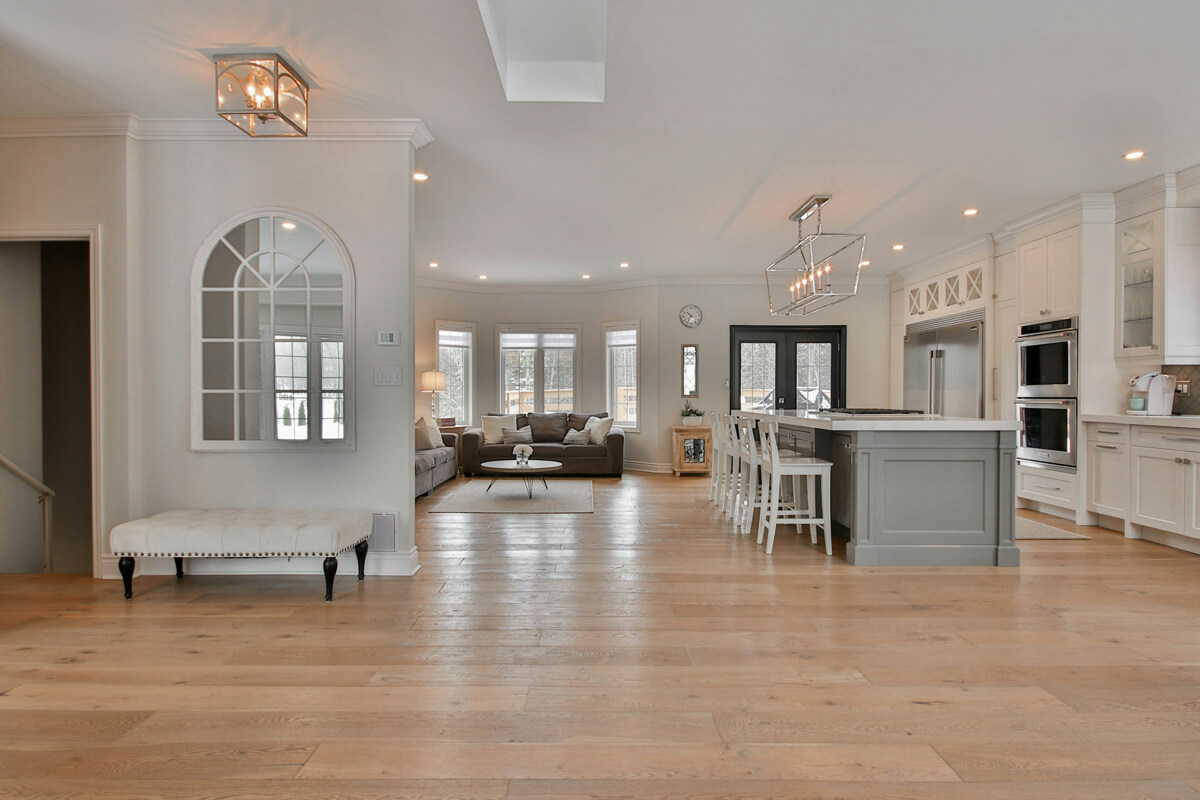
لأن جزيرة المطبخ غالبًا ما تكون بمثابة منطقة إعداد, مكان لتناول الطعام, والمركز الاجتماعي, يجب أن توازن الإضاءة بين التطبيق العملي والجاذبية الزخرفية.
| نوع التركيب | المزايا | القيود |
|---|---|---|
| أضواء قلادة | نقطة محورية زخرفية; الإضاءة المركزة; مجموعة واسعة من الأنماط | تغطية محدودة للجزر الطويلة; يتطلب ارتفاع السقف |
| أضواء قلادة الخطية | حتى الإضاءة, المظهر الحديث, طول قابل للتخصيص | تكلفة أعلى; عدد أقل من الأساليب التقليدية |
| إضاءة المسار | قابل للتعديل للغاية; كفاءة في استخدام المساحة; متنوع القدرات | أقل زخرفية; التركيبات المكشوفة تجمع الشحوم |
| أضواء مروحة السقف | الإضاءة والتهوية مجتمعة; يقلل من الحرارة | ضخمة; أصعب للتنظيف; سطوع محدود |
توصية سريعة:
-
الجزر الصغيرة → إضاءة المسار
-
مطابخ تركز على الأسلوب ← أضواء معلقة أو خطية
-
مطابخ ساخنة → أضواء مروحة السقف

إضاءة جزيرة المطبخ
3.2 إضاءة تحت الخزانة: القضاء على الظلال
غالبًا ما تحجب الخزانات العلوية الإضاءة العلوية, جعل الإضاءة تحت الخزانة ضرورية للطهي الآمن والفعال.
-
أضواء خزانة خطية ومستديرة تعمل بشكل أفضل للإضاءة المستمرة أو الموضعية
-
أضواء كاشفة مناسبة لتسليط الضوء على مناطق محددة, ولكن يجب استخدامها كإضاءة تكميلية
للحصول على أفضل النتائج, اختر دائمًا التركيبات المقاومة للرطوبة والمقاومة للزيت.
3.3 إضاءة السقف: إنشاء النغمة العامة
راحة النازل
الحد الأدنى ومتعددة الاستخدامات, توفر المصابيح النازلة راحة إضاءة متساوية دون فوضى بصرية. درجة حرارة اللون حولها 4000ك يوفر الوضوح مع الحفاظ على الراحة.
تركيبات راحة أو شبه راحة
تضيف هذه الخيارات قيمة زخرفية ولكنها تتطلب التخطيط أثناء بناء السقف. إنها تعمل بشكل أفضل في المطابخ التي تعطي الأولوية لجماليات التصميم.
4. إضاءة المطبخ الذكية: الراحة والكفاءة مجتمعة
مع ظهور المنازل الذكية, أصبحت إضاءة المطبخ الذكية ذات شعبية متزايدة. من خلال أتمتة التحكم والسماح بالتخصيص, فهو يحسن بشكل كبير سهولة الاستخدام اليومي.
4.1 فوائد إضاءة المطبخ الذكية
-
التحكم بدون استخدام اليدين عبر المساعدين الصوتيين أو أجهزة استشعار الحركة
-
تقليل استهلاك الطاقة من خلال التعتيم والإغلاق التلقائي
-
مشاهد إضاءة مخصصة للطبخ, تناول الطعام, تنظيف, والاستخدام الليلي
-
تحسين السلامة مع الإضاءة التلقائية في ظروف الإضاءة المنخفضة
4.2 الاعتبارات الأساسية عند اختيار الإضاءة الذكية
-
التوافق باهتة
تأكد دائمًا من توافق مصابيح LED ومخفتات الإضاءة لتجنب مشاكل الوميض أو التحكم. -
اختيار التبديل الذكي
-
توفر مفاتيح الأسلاك المحايدة استقرارًا أكبر
-
تعتبر المفاتيح غير المحايدة مثالية للتجديدات
-
-
تخطيط التحكم الاستراتيجي
وضع الضوابط بالقرب من المداخل, جزر, ومناطق العمل الرئيسية لضمان سهولة الوصول إليها.
الأفكار النهائية
لا تتعلق إضاءة المطبخ أبدًا بتركيب جهاز واحد ساطع. بدلاً من, يتطلب مزيجًا مدروسًا من الإضاءة المحيطة, إضاءة المهمة, والإضاءة المميزة - المدعومة بالتكنولوجيا الذكية - لإنشاء مطبخ آمن, فعال, ودعوة.
إذا كنت تخطط لترقية إضاءة مطبخك ولكنك غير متأكد من أين تبدأ, هويي هنا للمساعدة. يقوم فريق تصميم الإضاءة المحترف لدينا بإنشاء حلول مخصصة بناءً على تصميم مطبخك, تفضيلات النمط, والعادات اليومية - تغطي كل شيء بدءًا من اختيار التركيبات وحتى تخطيط التخطيط ودعم التثبيت.
اتصل بـ Huiye احصل اليوم على خطة إضاءة مطبخ مخصصة وتحويل مطبخك إلى مساحة تبدو أفضل, يعمل بشكل أكثر ذكاءً, ويشعر بأنه أكثر إشراقًا كل يوم.