 English
 العربية
 Français
 Deutsch
 Italiano
 Polski
 Português
 Русский
 Español
 Українська


هل مصابيح LED الداخلية ضارة لعينيك؟?
مقدمة
أصبحت إضاءة LED الخيار القياسي للمنازل الحديثة, مكاتب, الفنادق, والمساحات التجارية. شكرا ل كفاءتها المتميزة في استخدام الطاقة وعمرها الطويل, لقد حلت مصابيح LED محل الإضاءة المتوهجة التقليدية ومصابيح CFL إلى حد كبير في السنوات الأخيرة.
لكن, لا يزال العديد من أصحاب المنازل والمشترين التجاريين يطرحون نفس السؤال:
هل مصابيح LED الداخلية سيئة لعينيك؟?
والخبر السار هو أن الجواب هو عموما لا. مصابيح LED الداخلية عالية الجودة ليست ضارة لعينيك عندما يتم تصميمها واستخدامها بشكل صحيح في ظل الظروف العادية. بدلاً من, معظم الانزعاج المرتبط بالإضاءة يأتي من مصابيح LED ذات الجودة الرديئة, السطوع المفرط, وهج, وميض, أو تصميم إضاءة غير صحيح، وليس تقنية LED نفسها.
في هذا الدليل, سنقوم بفصل الخرافات عن الحقائق, اشرح كيف تؤثر إضاءة LED على رؤيتك, وتساعدك على اختيار مصابيح LED صديقة للعين لمنزلك أو عملك.
لماذا يعتقد الناس أن أضواء LED تؤذي أعينهم؟?
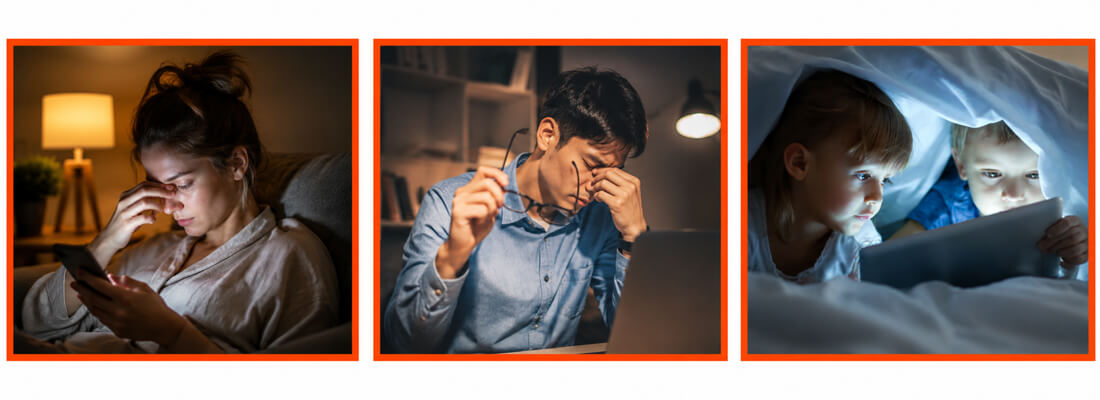
مع تحول المزيد من الأسر من المصابيح المتوهجة إلى مصابيح LED خلال العقد الماضي, بدأ بعض المستخدمين يعانون من أعراض مثل إجهاد العين, الصداع, أو الانزعاج البصري. بالتالي, افترض الكثير من الناس أن مصابيح LED تضر ببصرهم.
في الواقع, عادة ما تكون هذه الأعراض ناجمة عن واحد أو أكثر مما يلي:
- مصابيح LED ذات الجودة الرديئة
- السطوع المفرط
- وهج شديد
- ضوء وامض
- درجة حرارة اللون غير صحيحة
- ساعات طويلة من التعرض للشاشة الرقمية
بعبارة أخرى, تكمن المشكلة عادةً في جودة بيئة الإضاءة وليس تقنية LED نفسها.
لذلك, يعد اختيار مصابيح LED الداخلية المصممة جيدًا أكثر أهمية بكثير من تجنب مصابيح LED تمامًا.
هل مصابيح LED خطرة بالفعل على عينيك؟?
لحسن الحظ, تشير الأدلة العلمية الحالية إلى أن إضاءة LED الداخلية العادية تفعل ذلك لا الإضرار بالعيون السليمة في ظل الظروف المنزلية أو مكان العمل النموذجية.
يتفق معظم المتخصصين في العناية بالعيون على أن مصابيح LED المعتمدة تكون آمنة عندما تستوفي معايير السلامة المعترف بها.
بدلاً من القلق بشأن مصابيح LED نفسها, يجب على المشترين الانتباه إلى جودة الإضاءة, مشتمل:
- إخراج ضوء مستقر
- أداء خالي من الوميض
- وهج منخفض
- السطوع المناسب
- درجة حرارة اللون المناسبة
- رقائق ومحركات LED عالية الجودة
أخيرًا, ولهذه العوامل تأثير أكبر بكثير على الراحة البصرية من تأثير تقنية الإضاءة نفسها.
فهم الضوء الأزرق في مصابيح LED
أحد أكبر المخاوف المحيطة بمصابيح LED الداخلية هو الضوء الأزرق.
مثل ضوء الشمس الطبيعي, ينبعث الضوء الأزرق أيضًا من العديد من الأجهزة اليومية, مشتمل:
- الهواتف الذكية
- أقراص
- شاشات الكمبيوتر
- أجهزة التلفاز
- إضاءة LED
لأن مصابيح LED البيضاء الباردة تحتوي على نسبة أعلى من الأطوال الموجية الزرقاء مقارنة بمصابيح LED البيضاء الدافئة, يشعر العديد من المستهلكين بالقلق من أنها قد تلحق الضرر بأعينهم.
لحسن الحظ, تكون كمية الضوء الأزرق التي تنتجها مصابيح LED الداخلية القياسية عمومًا أقل بكثير من التعرض الذي يتلقاه الأشخاص من ضوء الشمس أو قضاء ساعات في النظر إلى الشاشات الرقمية.
لذلك, بالنسبة لمعظم الناس, لا تعرض إضاءة LED الداخلية العينين لمستويات ضارة من الضوء الأزرق أثناء الاستخدام اليومي العادي.
هل مصابيح LED تسبب إجهاد العين؟?
على الرغم من أن مصابيح LED نفسها نادراً ما تؤذي عينيك, يمكن أن تساهم في إجهاد العين في ظل ظروف معينة.
1. السطوع المفرط
أولاً, يقوم العديد من أصحاب المنازل بتركيب مصابيح أكثر سطوعًا من اللازم.
نتيجة ل, تتكيف العيون باستمرار مع الضوء الزائد, مما يؤدي إلى التعب مع مرور الوقت.
بدلاً من, حدد مصابيح LED ذات خرج لومن يتناسب مع حجم الغرفة والاستخدام المقصود.
2. وهج
سبب شائع آخر من عدم الراحة في العين هو وهج.
يمكن لمصابيح LED العارية أو التركيبات التي لا تحتوي على ناشرات أن تنتج مواد قاسية, ضوء مباشر, وخاصة في المطابخ, الحمامات, مكاتب, ومساحات البيع بالتجزئة.
على سبيل المثال, باستخدام المصابيح متجمد, أباجورة, أو التركيبات المنتشرة تساعد على خلق إضاءة أكثر ليونة مع تقليل إجهاد العين بشكل كبير.
3. الخفقان المصابيح
فضلاً عن ذلك, تستخدم بعض مصابيح LED منخفضة التكلفة برامج تشغيل ذات جودة رديئة تؤدي إلى وميض غير مرئي.
على الرغم من أن الكثير من الناس لا يستطيعون رؤية الوميض بشكل واعي, عيونهم وأدمغتهم لا تزال تستجيب لها, مما قد يؤدي:
- الصداع
- إجهاد العين
- صعوبة في التركيز
لذلك, يعد الاستثمار في مصابيح LED الخالية من الوميض أحد أسهل الطرق لتحسين راحة الإضاءة الداخلية.
4. درجة حرارة اللون غير صحيحة
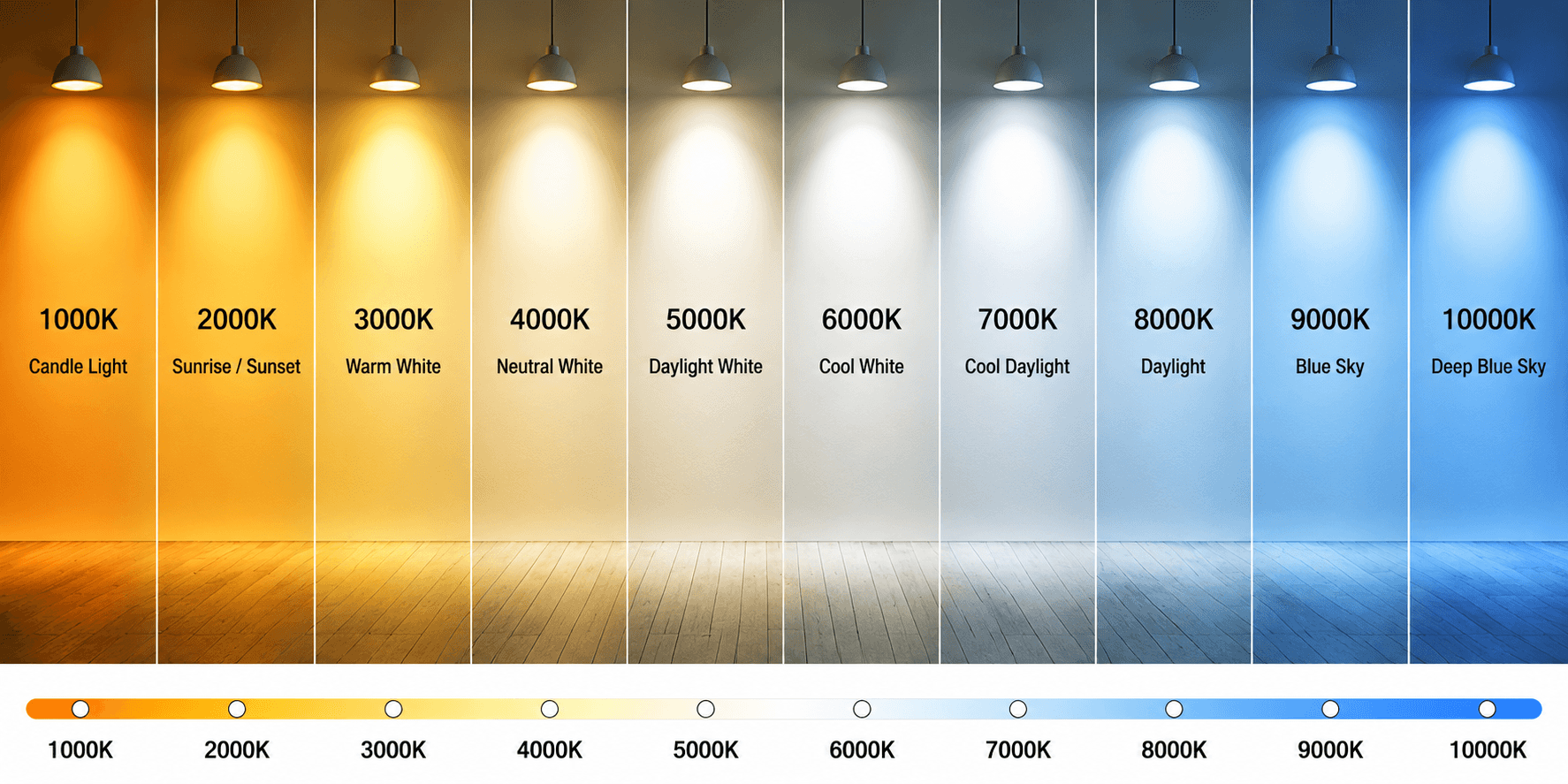
إلى جانب السطوع, درجة حرارة اللون لها أيضًا تأثير كبير على الراحة البصرية.
| درجة حرارة اللون | مظهر | أفضل ل |
|---|---|---|
| 2700ك | أبيض دافئ | غرف نوم, غرف المعيشة |
| 3000ك | أبيض دافئ ناعم | غرف الطعام, الفنادق |
| 4000ك | أبيض محايد | مطابخ, مكاتب |
| 5000ك – 6500 ك | ضوء النهار البارد | الكراجات, ورش العمل |
بشكل عام, مصابيح LED بيضاء دافئة بين 2700ك و 3000 ك توفير الإضاءة الأكثر راحة للمساحات الداخلية المريحة.
في أثناء, تعد الإضاءة الأكثر برودة مناسبة بشكل أفضل للبيئات الموجهة نحو المهام حيث تتطلب رؤية أكبر.
هل تؤثر أضواء LED على النوم؟?
في حين أن مصابيح LED آمنة لعينيك, يمكن أن تؤثر على دورة نومك إذا تم استخدامها بشكل غير صحيح.
ساطع, الضوء الأزرق الغني في المساء قد يقلل من إنتاج الميلاتونين, مما يجعل من الصعب النوم.
لكن, هذا التأثير ليس فريدًا بالنسبة لإضاءة LED.
في الحقيقة, الهواتف الذكية, أقراص, أجهزة الكمبيوتر المحمولة, وغالبًا ما تنبعث شاشات الكمبيوتر من الضوء الأزرق بشكل ملحوظ أكثر من مصابيح LED الداخلية.
لتقليل التأثير, النظر في ما يلي:
- استخدم مصابيح LED البيضاء الدافئة بعد غروب الشمس.
- قم بتعتيم الإضاءة الداخلية في المساء.
- الحد من وقت الشاشة قبل النوم.
- اختر مصابيح LED الذكية ذات درجات حرارة اللون القابلة للتعديل.
نتيجة ل, ستخلق بيئة ليلية أكثر راحة.
هل مصابيح LED البيضاء الدافئة أفضل لعينيك؟?
لمعظم المساحات الداخلية, الجواب هو نعم.
تنتج إضاءة LED البيضاء الدافئة إضاءة أكثر نعومة مع وهج أقل وضوحًا, مما يجعلها مثالية ل:
- غرف نوم
- غرف المعيشة
- الفنادق
- مطاعم
- المقاهي
- مناطق القراءة
على الجانب الآخر, تظل الإضاءة البيضاء الرائعة خيارًا ممتازًا للمكاتب, مطابخ, ورش العمل, ومتاجر البيع بالتجزئة حيث تكون الرؤية والتركيز من الأولويات.
أخيرًا, يعتمد اختيار درجة حرارة اللون المناسبة على كيفية استخدام الغرفة.
كيفية اختيار أضواء LED داخلية صديقة للعين
إذا كنت تشتري إضاءة LED داخلية لمنزلك أو عملك, النظر في العوامل التالية.
يختار مصابيح LED خالية من الوميض
أولا وقبل كل شيء, ابحث عن مصابيح LED خالية من الوميض مع برامج تشغيل عالية الجودة.
وهذا مهم بشكل خاص للمكاتب, الفصول الدراسية, ومساحات العمل حيث تظل الأضواء مضاءة لفترات طويلة.
حدد السطوع الصحيح
التالي, تجنب افتراض أن أكثر سطوعًا هو الأفضل دائمًا.
بدلاً من, قم بمطابقة مخرجات اللومن مع حجم الغرفة والنشاط المقصود.
اختر درجة حرارة اللون المناسبة
على نفس المنوال, يؤدي اختيار درجة حرارة اللون المناسبة إلى تحسين الراحة والإنتاجية.
- 2700ك – 3000 ك: مريح
- 4000ك: العمل اليومي
- 5000ك+: إضاءة المهام التفصيلية
ابحث عن ارتفاع CRI
بالإضافة إلى ذلك, اختر مصابيح LED مع مؤشر تجسيد اللون (CRI) على الأقل 80; أ كري من 90+ يوفر أكبر دقة الألوان الطبيعية والراحة البصرية. على موقعنا, يمكنك العثور على لمبة LED التي تحتوي على كل هذه الميزات; انقر هنا لمزيد من النماذج.
تقليل الوهج المباشر
أخيراً, تحسين جودة الإضاءة باستخدام:
- مصابيح LED بلوري
- الناشرون
- أباجورة
- الإضاءة راحة
- الإضاءة غير المباشرة
معاً, هذه الحلول تخلق ليونة, إضاءة داخلية أكثر راحة.
الأفكار النهائية
إجمالي, مصابيح LED الداخلية ليست سيئة لعينيك عندما تختار منتجات عالية الجودة وتستخدمها بشكل صحيح.
بدلاً من إلقاء اللوم على تقنية LED نفسها, يجب على المشترين التركيز على اختيار مصابيح LED الخالية من الوميض, مستويات السطوع المناسبة, درجات حرارة اللون الدافئة حيثما كان ذلك مناسبا, والتركيبات التي تقلل من الوهج.
سواء كنت تقوم بترقية المنزل, تأثيث فندق, تصميم مكتب, أو شراء المنتجات للبيع بالجملة, الاستثمار في إضاءة LED الداخلية المتميزة يوفر راحة بصرية أفضل, كفاءة أكبر في استخدام الطاقة, وخفض تكاليف الصيانة على المدى الطويل.
باختصار, إن إضاءة LED المناسبة لا توفر الطاقة فحسب، بل إنها توفر أيضًا حياة صحية أكثر, بيئة داخلية أكثر راحة مع توفير الأداء الذي يتوقعه أصحاب المنازل والشركات اليوم.