 English
 العربية
 Français
 Deutsch
 Italiano
 Polski
 Português
 Русский
 Español
 Українська


Luces de oblea vs.. Luces de lata: ¿Cuál es la diferencia y cuál debería elegir??
Al planificar una mejora de iluminación, Elegir la iluminación empotrada adecuada puede marcar una gran diferencia tanto en el aspecto como en el rendimiento de su espacio.. Hoy, dos de las opciones más comunes son luces de oblea y puede luces.
Aunque ambos proporcionan limpieza, iluminación de techo incorporada, están construidos de manera diferente y tienen propósitos ligeramente diferentes. Entonces, para ayudarle a tomar una decisión segura, desglosaremos sus definiciones, características, ventajas, métodos de instalación, y diferencias clave en un simple, manera fácil de entender.
1. ¿Qué son las luces de oblea y las luces de lata??
Para empezar, Es importante saber qué es realmente cada tipo de iluminación..
¿Qué son las luces de oblea??
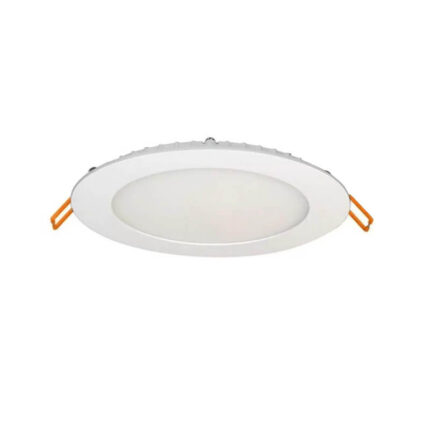
luces de oblea, a menudo llamado luces empotradas sin vela, son luminarias LED ultrafinas diseñadas para quedar casi al ras del techo. A diferencia de los sistemas empotrados tradicionales, no requieren una carcasa de metal (poder).
En cambio, se conectan directamente a una caja de conexiones y se instalan en un pequeño recorte del techo. Debido a esta estructura simplificada, Las luces tipo oblea son especialmente útiles en espacios con una profundidad de techo limitada o en proyectos de modernización donde sería difícil instalar una carcasa completa..
¿Qué son las luces de lata??
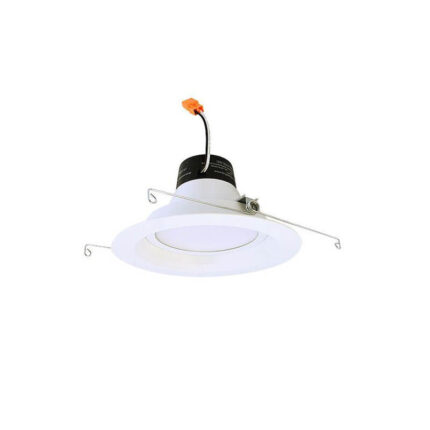
En contraste, puede luces (también conocido como luces empotradas o downlights) Utilice una carcasa metálica cilíndrica instalada dentro de la estructura del techo..
La bombilla se encuentra dentro de esta carcasa y está cubierta con un embellecedor.. A diferencia de las luces de oblea, Las luces Can permiten a los usuarios reemplazar las bombillas y elegir entre una amplia variedad de adornos y efectos de iluminación..
2. Características clave de las luces para oblea y para latas
Ahora que entendemos los conceptos básicos, veamos cómo funciona cada tipo de iluminación en uso real.
Características de la luz tipo oblea
Las luces Wafer están diseñadas teniendo en cuenta la simplicidad y la eficiencia moderna.. En particular, ellos ofrecen:
- Ultrafino, diseño que ahorra espacio
- No hay necesidad de carcasa empotrada
- Tecnología LED integrada
- Alta eficiencia energética
- Fácil instalación de actualización
- Limpio, apariencia mínima del techo
- Larga vida útil (arriba a 50,000 horas)
Características de la lata de luz
Por otro lado, Las luces de las latas están diseñadas para ofrecer flexibilidad y personalización a largo plazo.. Sus características clave incluyen:
- Sistema de vivienda empotrable tradicional
- Bombillas reemplazables (CONDUJO, halógeno, CFL)
- Amplia gama de estilos de acabado
- Opciones de iluminación ajustables y direccionales.
- Gran compatibilidad con construcciones nuevas.
- Actualizaciones sencillas de bombillas con el tiempo
3. Comparación de ventajas y desventajas
En este punto, Es útil comparar las dos opciones una al lado de la otra para comprender mejor sus fortalezas y limitaciones..
| Característica | Luces de oblea | Luces de lata |
|---|---|---|
| Instalación | Sencillo y rápido | Más complejo |
| Espacio requerido en el techo | Mínimo | Se necesita más profundidad |
| Costo inicial | Más bajo | Más alto |
| Eficiencia energética | Excelente | Bueno a muy bueno |
| Flexibilidad de diseño | Limitado | Altamente flexible |
| Mantenimiento | Bajo | Moderado |
| Reemplazo de bombilla | Se reemplazó todo el aparato | Solo bombilla |
| Esperanza de vida | Arriba a 50,000 horas | Varía según la bombilla. |
| Idoneidad de modernización | Excelente | Moderado |
| Uso de obra nueva | Bien | Excelente |
Luces tipo oblea: pros y contras
para resumir, Las luces tipo oblea ofrecen grandes ventajas en las instalaciones modernas. En primer lugar, son extremadamente fáciles de instalar. Además, Son muy eficientes energéticamente e ideales para espacios con techos reducidos..
Sin embargo, en el lado negativo, todo el dispositivo debe reemplazarse cuando el LED llegue al final de su vida útil. Además, Las opciones de personalización del diseño son más limitadas en comparación con las luces de lata..
Luces para latas: pros y contras
En comparación, ¿Pueden las luces proporcionar mayor flexibilidad?. Por ejemplo, Puedes reemplazar fácilmente las bombillas y elegir entre varios estilos de acabado.. Además, Son ampliamente utilizados en nuevos proyectos de construcción..
Sin embargo, Requieren más esfuerzo de instalación.. Además, necesitan más profundidad de techo, lo que puede generar mayores costos iniciales de instalación.
4. Métodos de instalación y diferencias clave
Próximo, Echemos un vistazo más de cerca a cómo se instala cada tipo de iluminación., ya que este suele ser un factor decisivo para muchos propietarios y contratistas.
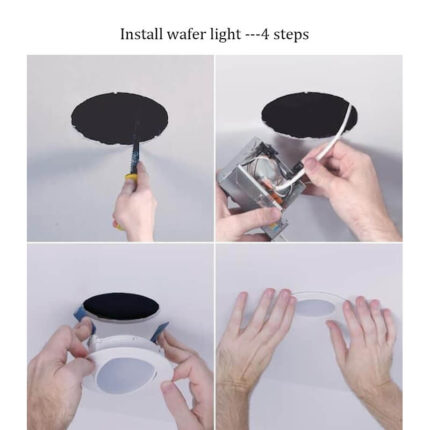
Instalación de luces tipo oblea
Para empezar con, Las luces tipo oblea están diseñadas para una instalación rápida y sencilla.. Típicamente, el proceso incluye:
- Cortar un pequeño agujero en el techo.
- Conexión del cableado a una caja de conexiones.
- Asegurar la lámpara con clips de resorte
Porque no se requiere vivienda, La instalación es mucho más rápida y limpia.. Como resultado, Las luces tipo oblea son especialmente populares en proyectos de remodelación., sótanos, y techos terminados.
Instalación de luces para latas
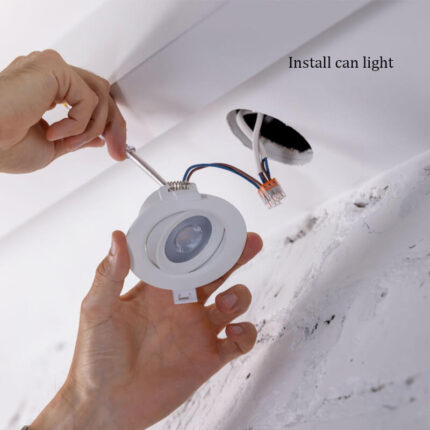
En contraste, ¿Las luces pueden requerir un proceso de instalación más tradicional?. Generalmente, esto incluye:
- Instalación de la carcasa empotrada entre vigas del techo
- Pasar cableado eléctrico a través de la estructura.
- Instalación de paneles de yeso alrededor de la vivienda.
- Agregar molduras e insertar la bombilla
Por lo tanto, Las luces de lata generalmente se instalan durante una nueva construcción cuando la estructura del techo aún está abierta y accesible..
Comparación de instalación rápida
| Factor de instalación | Luces de oblea | Luces de lata |
|---|---|---|
| Vivienda requerida | No | Sí |
| Velocidad de instalación | Rápido | Más lento |
| Compatible con reequipamiento | Sí | Limitado |
| Costo laboral | Más bajo | Más alto |
| Se necesita acceso al techo | Mínimo | Significativo |
5. Resumen final
En conclusión, Tanto las luces de oblea como las de latas son excelentes soluciones de iluminación empotrada, pero están diseñados para diferentes necesidades.
por un lado, luces de oblea son ideales si quieres un moderno, diseño de bajo perfil, instalación más fácil, y alta eficiencia energética, especialmente en proyectos de renovación o espacios con profundidad de techo limitada.
Por otro lado, puede luces son más adecuados si prefiere la flexibilidad a largo plazo, bombillas reemplazables, y más opciones de personalización de iluminación, particularmente en nueva construcción.
Al final, no existe una única “mejor” opción. En cambio, la elección correcta depende de la estructura de su techo, presupuesto, condiciones de instalación, y preferencias de diseño. Al comprender estas diferencias, Puede elegir con confianza la solución de iluminación empotrada que mejor se adapte a su espacio y a sus necesidades a largo plazo..