 English
 العربية
 Français
 Deutsch
 Italiano
 Polski
 Português
 Русский
 Español
 Українська


Filamento de carbono versus filamento de tungsteno
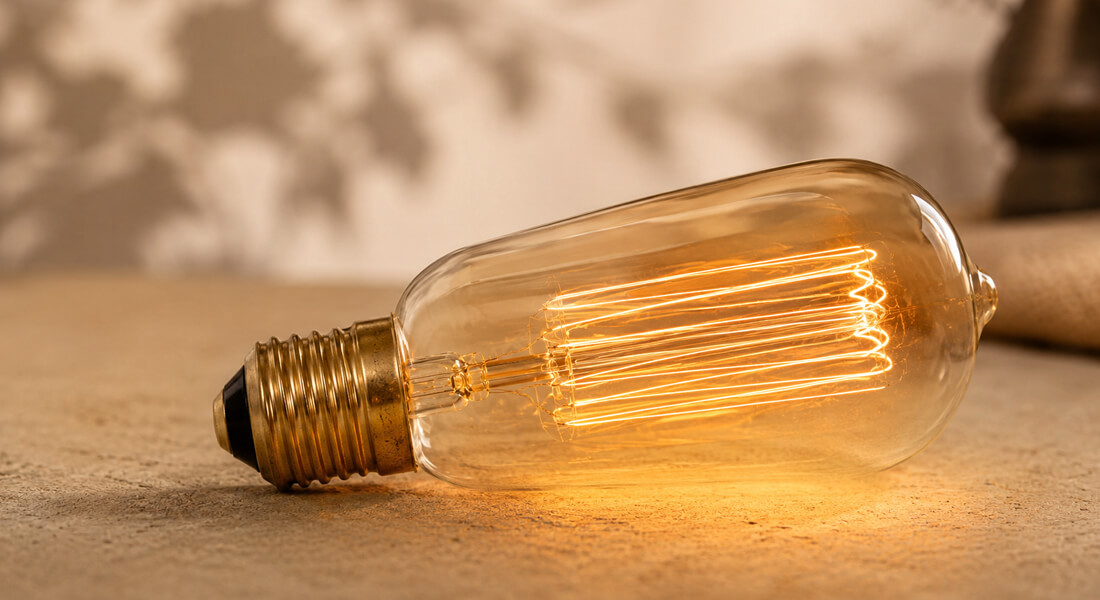
Las bombillas de filamento antiguas son valoradas por su cálido brillo., filamentos expuestos, y atractivo atemporal. Ya sea utilizado en hogares, cafeterías, restaurantes, u hoteles, crean una atmósfera acogedora que la iluminación moderna a menudo no puede igualar.
Al comprar bombillas antiguas, normalmente encontrarás dos tipos de filamentos: filamento de carbono y filamento de tungsteno. Aunque comparten una apariencia similar, difieren en brillo, eficiencia, esperanza de vida, y rendimiento general.
Esta guía explica las diferencias clave para ayudarle a elegir la bombilla adecuada..
La historia de los filamentos de carbono y tungsteno
Las primeras bombillas incandescentes experimentaron con varios materiales de filamento., incluyendo platino. Sin embargo, no fue hasta Tomás Edison introdujo la bombilla de filamento de carbono que la iluminación eléctrica se volvió comercialmente práctica.
Más tarde, fabricantes adoptados tungsteno debido a su punto de fusión extremadamente alto. Como resultado, Los filamentos de tungsteno podrían funcionar a temperaturas más altas., Producen más luz y duran mucho más que los filamentos de carbono..
Además, Reemplazar el vacío dentro de la bombilla con gases inertes como el argón ayudó a reducir el ennegrecimiento del vidrio y prolongó aún más la vida útil de la bombilla.. Hoy, el tungsteno sigue siendo el material estándar para las bombillas incandescentes tradicionales y de estilo vintage.
Por qué las bombillas de filamento antiguas siguen siendo populares
Aunque la tecnología LED domina el mercado de iluminación actual, Las bombillas de filamento antiguas siguen siendo las favoritas para la iluminación decorativa..
Esto se debe a que ofrecen:
- Luz ámbar cálida (2200K–2700K)
- Filamentos expuestos decorativos
- Diseños clásicos de estilo Edison.
- Suave, iluminación relajante
Como consecuencia, Son ampliamente utilizados en luces colgantes., candelabros, apliques de pared, lámparas de mesa, cafeterías, restaurantes, hoteles, y espacios comerciales donde la atmósfera es más importante.
Filamento de carbono versus filamento de tungsteno
Si bien ambas bombillas pertenecen a la familia incandescente, su rendimiento difiere considerablemente.
| Característica | Filamento de carbono | filamento de tungsteno |
|---|---|---|
| Material del filamento | Carbón | Tungsteno |
| Brillo | Más bajo | Más alto |
| Eficiencia Energética | Más bajo | Más alto |
| Esperanza de vida | más corto | Más extenso |
| Color claro | Ámbar muy cálido | Blanco cálido a ámbar |
| Costo | Generalmente más alto | Más asequible |
| Mejor uso | Proyectos de decoración y restauración. | Uso decorativo y cotidiano. |
En general, Las bombillas de filamento de tungsteno proporcionan mejor brillo., vida más larga, y mayor valor.
Brillo y Eficiencia Energética
Una de las mayores diferencias es la salida de luz..
Porque el tungsteno opera a una temperatura más alta., Produce mucha más luz usando la misma cantidad de electricidad..
Por ejemplo:
| Tipo de bombilla | Potencia | Brillo aproximado |
|---|---|---|
| Filamento de carbono | 60W | 350–400 lúmenes |
| filamento de tungsteno | 60W | 700–800 lúmenes |
Por lo tanto, Las bombillas de tungsteno son la mejor opción cuando necesitas iluminación decorativa con un brillo práctico..
Vida útil y durabilidad
Los filamentos de carbono se desgastan más rápidamente con el tiempo, lo que resulta en una vida útil más corta.
En comparación, Los filamentos de tungsteno son más fuertes y resistentes al calor.. Combinado con llenado de gas inerte, duran más y mantienen una apariencia de vidrio más clara.
esperanza de vida típica:
- filamento de carbono: 1,000–2.000 horas
- filamento de tungsteno: 2,000–3.000 horas o más
Como resultado, Las bombillas de tungsteno ofrecen costos de reemplazo más bajos a largo plazo..
¿Se pueden atenuar ambos tipos??
Sí. Tanto las bombillas de filamento de carbono como las de tungsteno funcionan con reguladores de intensidad incandescentes compatibles..
Cuando está atenuado, ellos producen:
- Un brillo más cálido
- Ambiente mejorado
- Vida útil prolongada de la bombilla
- Menor consumo de energía
Por esta razón, son populares en los dormitorios, comedor, restaurantes, y entornos de hospitalidad.
¿Son las bombillas de filamentos antiguas lo suficientemente brillantes??
Las bombillas antiguas tradicionales están diseñadas para crear atmósfera en lugar de brillo máximo..
Para comparar:
| Tipo de bombilla | Potencia | Brillo |
|---|---|---|
| Filamento incandescente vintage | 60W | Alrededor 400 lúmenes |
| Incandescente estándar | 60W | Alrededor 800 lúmenes |
| Bombilla de filamento LED | 6-8W | Alrededor 800 lúmenes |
Por lo tanto, Las bombillas incandescentes antiguas son las más adecuadas para iluminación decorativa y de acento., mientras bombillas de filamento LED Proporcionar una estética similar con una eficiencia mucho mayor..
Las mejores aplicaciones para bombillas de filamento de tungsteno
Gracias a su equilibrio entre estilo y rendimiento., Las bombillas de filamento de tungsteno son ideales para:
- Candelabros
- Luces colgantes
- Apliques de pared
- Lámparas de mesa
- Calendario abierto
- Cafeterías y restaurantes
- Hoteles
- Interiores industriales y de granja.
Su filamento brillante visible añade calidez y carácter a cualquier espacio..
El icónico Steampunk “Jaula de ardilla” Bulbo
Entre diseños vintage, el Jaula de ardilla steampunk La bombilla es una de las más reconocibles..
Su forma de vidrio alargada y su filamento decorativo estilo jaula lo convierten en una opción popular para accesorios expuestos., candelabros antiguos, apartamentos tipo loft, cafeterías, y restaurantes.
Incluso cuando está apagado, sirve como un elemento decorativo atractivo.
¿Qué filamento debería elegir??
Tu elección depende de tus necesidades..
Elegir bombillas de filamento de carbono si usted:
- Prefiere la iluminación vintage auténtica
- Restaurar accesorios antiguos
- Quieres el brillo ámbar más cálido
Elegir bombillas de filamento de tungsteno si usted:
- Necesita una iluminación más brillante
- ¿Quieres una bombilla más duradera?
- Prefiere una mejor eficiencia energética
- Planee usar bombillas antiguas con regularidad
Para la mayoría de aplicaciones decorativas, Las bombillas de filamento de tungsteno ofrecen el mejor equilibrio entre rendimiento y estilo clásico..
Conclusión
Tanto las bombillas de filamento de carbono como las de tungsteno capturan el encanto de la iluminación eléctrica temprana.. Sin embargo, sirven para diferentes propósitos.
Las bombillas de filamento de carbono son ideales para la autenticidad histórica y la iluminación decorativa ultracálida.. En contraste, Las bombillas de filamento de tungsteno ofrecen mayor brillo., vida útil más larga, y mejor eficiencia al tiempo que conserva la apariencia clásica de Edison.
Si buscas una bombilla vintage práctica para el día a día, el tungsteno es la mejor opción. Alternativamente, si la eficiencia energética es tu prioridad, bombillas de filamento LED Proporcionan el mismo aspecto nostálgico con un consumo de energía significativamente menor y una vida útil mucho más larga..
Preguntas frecuentes
¿Todavía están disponibles las bombillas de filamento de carbono??
Sí. Se utilizan principalmente para restauraciones antiguas., museos, e iluminación vintage decorativa.
cual es mas brillante, filamento de carbono o tungsteno?
Las bombillas de filamento de tungsteno producen casi el doble de luz que las bombillas de filamento de carbono con la misma potencia..
¿Qué filamento dura más??
Los filamentos de tungsteno generalmente duran más porque soportan temperaturas de funcionamiento más altas y se evaporan más lentamente..
¿Son las bombillas de filamento de tungsteno más eficientes energéticamente??
Sí. Producen más lúmenes por vatio que las bombillas de filamento de carbono., convirtiéndolos en la opción incandescente más eficiente.
¿Se pueden atenuar ambos tipos??
Sí. Tanto las bombillas de filamento de carbono como las de tungsteno son regulables cuando se utilizan con un atenuador incandescente compatible..
¿Existe una alternativa moderna??
Sí. bombillas de filamento LED Replica el aspecto clásico de Edison mientras usas hasta 90% menos energía y dura hasta 25 veces más que las bombillas de filamento incandescentes tradicionales.